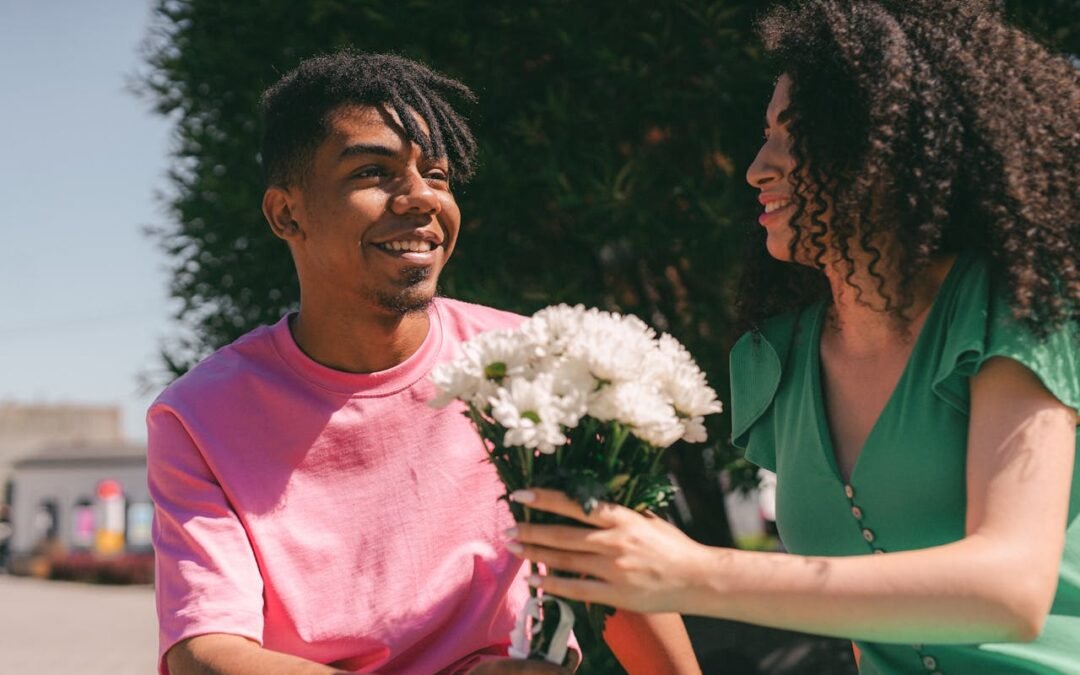
I thought love was constant communication: texting every hour, long late-night calls, never giving a breathing space.
But then I learned—love is not obsession. It breathes. It gives space. It respects boundaries.
Communication is vital in love, but love doesn’t choke each other.
I thought love was fireworks. You know, butterflies. That head-over-heels, can’t-eat, can’t-sleep feeling. Uhhhhh, my God! That kind that elicits “God, when o?” “Am I a spoon?” from friends.
But then I realised—feelings can fade. Real love shows up when the butterflies are gone; commitment is the only thing standing.
Yes, love elicits butterflies, but if love is not founded on commitment, it’s never gonna last. Never!
I thought love was someone finally choosing me, so I’d feel valuable. Ehm, don’t blame me. The blame is on low self-esteem. I was immersed in it from the experiences I had in childhood. Well… I sought love to feel valuable.
But then I understood—love doesn’t prove your worth. It recognises it. You don’t need love to feel valuable. You need value to love well.
I thought love meant never arguing, always agreeing, always smiling.
But I discovered—love isn’t the absence of conflict, it’s the presence of grace. It’s knowing how to “disagree to agree,” how to apologise sincerely, and how to grow together. It’s learning that I am on the same team as the one I love.
I thought I knew what love was.
Now I’m unlearning and relearning with God as my teacher.
I’m chasing wholeness. Wisdom. Purpose.
Because I want a love that looks like Christ—selfless, kind, consistent, and strong.
Loneliness is a powerful feeling. Like desperation, it can make people settle for less—for relationships they know aren’t right. They do this just to fill the empty space in their hearts. However, if you make a decision based on loneliness, it will often lead to premium tears—your temporary fix causing you long-term pain.
Sometimes we mix it up, but get it straight now. God didn’t propose marriage to Adam because he was lonely. No! There’s a world of difference between being alone and being lonely.
“And the Lord God said, ‘It is not good that man should be alone; I will make him a helper comparable to him.’” Genesis 2:18 [NKJV]
A man can be alone, but not lonely. Another man can be married to a woman, yet lonely. “Being alone” means being singular—be it physically, in an assignment or project, etc. while “being lonely” is a void in the heart—a feeling of emptiness in the soul that is often caused by a lack of active participation in purpose.
Adam was too busy with what God had committed into his hands to do that he didn’t even have time to be lonely. He was alone but not lonely. God had to come to initiate marriage when he saw that Adam needed a helper.
For singles, the temptation to say “Maybe this is the best I can get” often springs from loneliness. Seeing others in relationships makes matters worse, making you feel like time is running out. That’s desperation. But don’t let the feeling of loneliness and desperation push you into something unhealthy. It’s better to wait alone than to walk into a relationship that steals your peace, your values, or your destiny. The wrong relationship will drain you much more than loneliness ever could.
For married couples, well, you can be married and still be lonely. Loneliness can still creep in—especially when communication is broken down or when life gets overwhelming. However, the solution isn’t to withdraw, seek emotional validation elsewhere, or compare your spouse to others. The solution is to fight for your marriage to thrive again—work towards reconnecting. Talk. Pray together. Block out every channel (the opposite gender) that gives you emotional satisfaction. Remember why you chose each other. And fight to reconnect.
A good marriage is not built on constant excitement; it’s built on commitment through every season. Commit to working on your marriage. Commit to fighting for the spark to return again. Sometimes, or most times, it starts with just one of the spouses. If it’s you, then don’t get discouraged. Keep your eyes on the goal, regardless of what you see on the way. Don’t allow loneliness to last. Don’t allow it to lead you into an emotional affair and, ultimately, a full-blown affair.
Ultimately, may we all always recognize that God is always present with us, so we can draw strength from Him.
“Do not fear, for I am with you.” Isaiah 41:10.
God is always present, even in seasons when you feel lonely. So, instead of making hasty decisions out of desperation as singles, trust that His timing is perfect. While waiting, keep active with your purpose. The right love—one that honors God—will come. And if you’re married, the love you already have can be strengthened.
We usually love “love” when it’s easy—when there’s laughter and romance, and everything feels right. And we can be tempted to think that’s all love is about. But what if I tell you that love can be inconvenient? What if I tell you love also demands patience, sacrifice, or even choosing to stay when walking away seems easier?
As singles, it’s easy to chase relationships that feel good in the now, even when you know the person is wrong for you. It’s easy to run at the slightest pressure. It’s easy to define love by “butterflies in the tummy.” But real love isn’t always convenient. It requires waiting on God’s timing, it requires walking away from the wrong person even when it hurts, and it requires choosing to love with wisdom instead of emotions. It requires staying strong even in valley moments. If someone only “loves” you when it’s easy—when you agree, when you look your best, or when you are crushing milestones—that’s not real love. Run, my dear, run for your life.
As married couples, you have to CHOOSE to love even through difficult seasons—when viewpoints differ, when tempers rise, when stress comes, when flaws are exposed. You must choose to love, forgive, communicate, and to fold your sleeves and get to work as you labour together for a better tomorrow. This is what real love is—real love can be tough. Tough love it is. The popular John 3:16 says:
“For God so loved the world that He gave His only begotten Son, that whoever believes in Him should not perish but have everlasting life.”
God loved us, and He died for us! Tough love, I say—a love that gives, even when it’s costly.
Is your love just in the feel-good times? Or are you willing to love, even when it’s not convenient?
P.S.: Dear singles, this is not about you staying even when the red flags are glaring! Please don’t get it twisted. Shalom.
Understanding Today’s Dating World: It’s Not What It Used to Be
Hey, dating today? It’s a whole new world! Between swiping right, sliding into DMs, falling in love, and awkward first dates over Zoom, it’s safe to say things have changed a lot. Especially if you’re in your 30s or beyond, dating can feel like uncharted territory, but guess what? You’re not alone in this.
With the availability of love or dating apps becoming the new “meet-cute,” technology has taken over how we connect. And while it’s great to have all these options, the endless scrolling can lead to what I call “decision fatigue” — you know, when you’re overwhelmed by too many choices and can’t pick anything? The same goes for dating.
Here’s the deal: Before diving into the online dating pool, it’s crucial to know what you’re looking for. Whether it’s something serious or casual, having clarity will help you swipe with purpose instead of getting stuck in endless chats that go nowhere. Knowing your relationship goals ahead of time can make the whole process way smoother.
Pro Tip: Swipe Smart, Not Fast
Instead of treating dating apps like a video game, slow down. Think about what really matters to you, and choose quality over quantity. You’ll thank yourself later.
Rediscovering Yourself: Why Self-Reflection Is Key
Alright, here’s a little truth bomb: dating in your 30s and beyond often starts with some serious self-reflection. Before you can figure out who’s the right match for you, you’ve got to be clear about who you are. Yeah, I know, deep stuff.
Think about your past relationships. Were there any patterns? Were you constantly picking people who weren’t ready for commitment, or maybe you were the one who wasn’t quite sure? Reflecting on this helps you avoid repeating old mistakes. Plus, knowing your relationship goals enables you to stay intentional when dating.
Real Talk: Growth Mode
The person you are now isn’t the same person you were in your 20s — and that’s a good thing! With age comes self-awareness and emotional intelligence. Own it, and let it guide you to someone who vibes with your true self.
Embracing Vulnerability: It’s Okay to Be Scared
Dating after 30 can feel intimidating, especially when you throw in the fear of rejection. It’s like we’ve all got these emotional walls built up after years of life experiences, and putting yourself out there can feel like a major risk. But here’s the thing: you’ve got to be vulnerable if you want to find something real.
Instead of avoiding rejection, lean into it. Rejection isn’t a reflection of your worth, it’s just part of the process. And each “no” gets you one step closer to the “yes” that’s meant for you. Think of it as a refining process — you’re learning more about yourself and what you need in a love relationship.
Pro Tip: Bounce Back
Develop a resilient mindset. Every dating experience teaches you something, and that’s a win, even if the relationship doesn’t pan out.
So, What Do You Really Want?
It’s time to get clear. By now, you’ve probably realized that relationships aren’t one-size-fits-all. Casual dating? Long-term commitment? Or maybe you’re more into a deep friendship with love undertones. Whatever it is, take a step back and ask yourself: What do I actually want from a relationship?
You don’t have to follow the script of “settling down” just because society says so. If you’re all about long-term stability, that’s cool. The key is communicating your desires upfront to avoid any confusion later.
Your Social Circle: Expand Your Horizons
At this stage in life, meeting new people can feel tough. Most of your friends are settled down, and the days of meeting someone at a college party are long gone. But don’t worry, there’s still hope. Whether it’s through mutual friends, social events, or even a random meetup at your local coffee shop, expanding your social circle can open up new dating possibilities.
Ideas to Try:
– Join a class or group activity based on your interests (book clubs, sports leagues, volunteering).
– Attend social gatherings — birthdays, community events, or anything that gets you out of your comfort zone.
– Ask your friends to set you up. Sometimes, friends know exactly who would be a good match for you.
Mental Health Check: Take Care of You
Before jumping into the dating pool, make sure you’re in a good place mentally and emotionally. Sometimes, dating can bring up old wounds or unresolved feelings. Whether it’s from past love relationships or personal experiences, being aware of your triggers and mental health is key.
Therapy or support groups can help you work through emotional baggage and equip you with tools to navigate dating with a healthy mindset. Prioritizing your mental well-being isn’t just about feeling good, it’s also about building a strong foundation for any future relationships.
Whether you’re swiping, reflecting, or meeting someone new at a volunteer event, remember: dating in your 30s and beyond can be awesome if you approach it with the right mindset. Trust yourself, be intentional, and don’t be afraid to have some fun along the way. You got this!
From Isolation to Illumination: A Tale of Love and Mentorship
In a bustling Nigerian town, the lives of Adebayo and Yetunde were a testament to the importance of love, community, and the essential role of mentorship. This story highlights how even the most outwardly successful and respected relationships can falter without proper guidance and support.
The town was a lively tapestry of cultures and traditions, with bustling markets, vibrant streets, and a close-knit community. Here, Adebayo and Yetunde stood out, admired for their love and accomplishments, and respected for their contributions.
Adebayo was known for his business acumen, having inherited his father’s entrepreneurial spirit and reputation. He expanded his father’s business, and as a result, he earned a reputation for his sharp mind and ambitious nature. Despite the pressures and expectations, Adebayo was seen as a pillar of the business community.
On the other hand, Yetunde was a dedicated teacher who through love, influenced many young lives. At home, she balanced her professional responsibilities with her role as a mother and wife, providing unwavering support to Adebayo and nurturing their children. In addition, her ability to manage both roles seamlessly made her a revered figure in the community.
Despite their outwardly perfect union, Adebayo and Yetunde’s marriage began to show cracks as the pressures of business and family life mounted. They lacked a mentor to help them navigate these challenges, a significant oversight in a society where pastors and community leaders play crucial roles in offering wisdom and counsel.
In African culture, the concept of community and mentorship is deeply ingrained. Pastors and church leaders provide counsel and support, offering wisdom passed down through generations. Yetunde had suggested many times that Adebayo seek a mentor to help guide their family and business decisions. In contrast, Adebayo, confident in his early successes, saw no need for external advice.
As Adebayo’s business faced challenges, his refusal to seek mentorship took a toll. He became irritable and withdrawn, affecting his demeanor at home. Yetunde, feeling increasingly isolated, struggled to communicate her concerns. As a result, their marriage was slowly unraveling, with financial strains adding to the tension.
One evening, Yetunde confided in her friend, Mama Chika, a respected leader in their church. Mama Chika emphasized the importance of not living in isolation, sharing her own painful experiences of neglecting mentorship. Inspired by Mama Chika’s words, Yetunde convinced Adebayo to seek guidance from Pastor Adewale, a seasoned marriage counselor.
The Transformation
However, through regular sessions with Pastor Adewale, Adebayo and Yetunde began to rebuild their love relationship. They learned to communicate more effectively, address their issues with honesty, and lean on each other for support. The pastor’s wisdom and guidance helped them navigate their storm, transforming their marriage from conflict to mutual respect and understanding.
Consequently, Adebayo’s business began to recover as he applied the principles of accountability and mentorship to his professional life. He sought advice from experienced businessmen in the community, understanding that even the most capable leaders need guidance.
The story of Adebayo and Yetunde highlights a fundamental truth: accountability and mentorship are essential for the success of any marriage. As Proverbs 15:22 says, “Without counsel purposes are disappointed: but in the multitude of counselors they are established.” Their journey from discord to harmony illustrates that with the right guidance and support, even the most strained relationships can be restored.
Lessons from Adebayo and Yetunde’s Story
1. Importance of Mentorship: Adebayo’s initial refusal to seek mentorship despite Yetunde’s advice highlighted the dangers of pride and self-reliance. Mentorship provides not only guidance but also support during tough times.
2. Community Support: In African culture, community and pastors play a crucial role in providing wisdom and stability. This support system is invaluable in both personal and professional aspects of life.
3. Communication and Accountability: Effective communication and accountability are essential for resolving conflicts and building stronger relationships. Regular sessions with a mentor or counselor can help couples navigate their issues.
4. Impact of Isolation: Isolation can lead to desolation. The story underscores the importance of not isolating oneself, especially in times of crisis. Seeking help and guidance is a sign of strength, not weakness.
5. Learning from Others: Observing and learning from the experiences of others, like Chinedu’s success due to having a mentor, can provide valuable insights and encourage positive changes.
6. Spiritual Guidance: Spiritual leaders provide practical and spiritual support, offering a holistic approach to resolving conflicts.
7. Acknowledgment of the Problem: Recognizing problems is the first step toward resolution.
8. Seeking Guidance: Approaching a mentor can be a turning point in addressing issues.
9. Regular Communication: Counseling sessions help couples communicate openly and honestly.
10. Applying Wisdom: Practical advice from mentors can lead to recovery and growth in business and personal life.
In conclusion, the journey of Adebayo and Yetunde serves as a powerful reminder of the transformative power of accountability and mentorship. Their story became an inspiration to others in their community, proving that true strength lies in humility, openness, and the willingness to seek help. Finally, their experience underscores the enduring value of community support and the wisdom of elders in guiding us through life’s challenges.