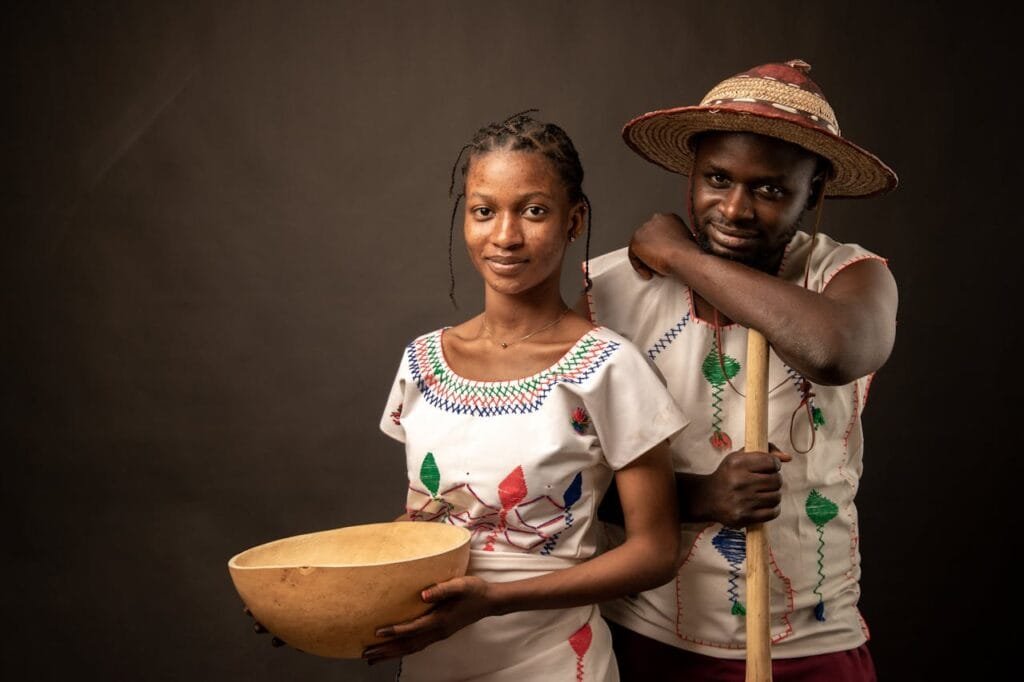
Are you a minister, pastor, church worker, or leader, and you live in Ibadan? You are cordially invited to “Equip” a Minister’s Conference with Rev Femi Oduwole and Rev Gbeminiyi Eboda as part of our 9th anniversary convention.
Rev Dunamis and Sophia Okunowo will also be hosting us. Attendance is free, but registration is required. Kindly register on this link – https://kissesandhuggs.com/conv2025
Don’t miss it. Spread the word!
Choosing a life partner is one of the most significant decisions you’ll ever make. This person will walk beside you through joys and trials, share your dreams, and help shape the legacy you leave behind. But this decision shouldn’t rest solely on human wisdom or fleeting emotions—it must be guided by God’s direction and design. Here’s how to discern who your life partner is with God at the center of the process.
1. Surrender Your Desires to God
Before seeking a spouse, surrender your desires and expectations to the Lord. Often, our vision for “the perfect partner” is shaped by societal standards, past experiences, or unmet needs. However, Psalm 37:4 reminds us, “Delight yourself in the Lord, and He will give you the desires of your heart.” When you delight in God above all else, He aligns your heart with His plan, replacing selfish ambitions with godly priorities.
Pray and ask God to reveal His will for your future spouse. Trust that His timing and choice are far better than anything you could orchestrate on your own.
2. Seek Wisdom and Discernment
God promises wisdom to those who ask (James 1:5), so seek His guidance as you navigate relationships. Look beyond surface-level attractions and evaluate character, values, and spiritual maturity. Proverbs 18:22 says, “He who finds a wife finds what is good and receives favor from the Lord.” Notice the emphasis on finding someone who reflects goodness—a reflection of God’s nature.
Ask yourself: Does this person exhibit fruit of the Spirit (Galatians 5:22-23)? Are they committed to growing closer to God? Do they honor others and demonstrate integrity? These qualities matter far more than external appearances or temporary chemistry.
3. Set Boundaries and Standards Based on Scripture
As you wait for God’s leading, establish clear boundaries and non-negotiable standards rooted in Scripture. For example:
A shared faith in Christ (2 Corinthians 6:14)
A commitment to purity and holiness (1 Thessalonians 4:3-5)
Alignment in core values like family, finances, and ministry
Boundaries protect your heart and ensure you don’t settle for less than God’s best. Remember, compromise on foundational principles can lead to long-term struggles in marriage.
4. Involve Godly Counsel
Proverbs 11:14 states, “Where there is no guidance, a people falls, but in an abundance of counselors, there is safety.” Surround yourself with trusted mentors, pastors, or spiritually mature friends who can provide objective insight into potential partners. They can help identify red flags you might overlook due to emotions or infatuation.
Additionally, observe how the person interacts with their family, friends, and community. Their behavior outside of your relationship reveals much about their true character.
5. Trust God’s Timing
Patience is key when deciding who your life partner is. It’s easy to feel pressured by cultural timelines or comparisons with others, but Ecclesiastes 3:1 assures us, “There is a time for everything, and a season for every activity under the heavens.” Rushing into a relationship without divine confirmation can lead to heartache, while waiting on God ensures alignment with His purpose.
While you wait, focus on becoming the kind of person you hope to marry. Use this season to deepen your relationship with God, serve others, and grow in wisdom and maturity.
Deciding who your life partner is isn’t just about choosing someone—it’s about allowing God to guide you to the right person at the right time. Keep Him at the forefront of your search, trusting that He knows what’s best for you. As you pray, seek wise counsel, and set godly standards, rest assured that He will lead you to a partner who complements your journey and shares your commitment to glorify Him.
Remember, marriage is not only a union between two people—it’s a covenant involving God Himself. Let your decision reflect reverence for His design and dependence on His direction. With faith and obedience, you’ll find the joy and fulfillment that come from partnering with both God and the person He has chosen for you.
Proverbs 19:14 concludes, “Houses and wealth are inherited from parents, but a prudent wife is from the Lord.” Trust that your life partner is a gift from Him—and trust in His perfect timing to bring it to pass.
In any healthy relationship, be it dating, friendship, or even family, boundaries are not just helpful; they’re necessary. They define what’s appropriate, respectful, and God-honoring.
Yet, for many Christians, the word “boundary” can feel uncomfortable like we’re putting up walls or pushing people away. But that’s not what boundaries are about. Boundaries is about creating safe spaces where love, trust, and godliness can truly thrive.
God never intended for us to live without limits. In fact, Proverbs 4:23 says, “Guard your heart with all diligence, for out of it flow the issues of life.” Guarding your heart doesn’t mean you become cold or emotionally unavailable. It’s about being intentional about who and what influences emotions, decisions, and ultimately, your walk with God.
Even Jesus set boundaries. He knew when to step away from the crowd to be alone with the Father (Luke 5:16). He didn’t always meet everyone’s expectations (John 6:15), and He wasn’t afraid to speak the truth in love especially when it was uncomfortable. If the Son of God modeled boundaries, why shouldn’t we?
Boundaries in Christian relationships help us understand each other’s values, expectations, and limits. And most importantly, they protect what truly matters: our relationship with God and one another.
Yes, setting boundaries can be hard especially when people don’t understand them. But when done with grace and clear communication, boundaries foster mutual respect, deeper trust, and lasting peace.
So if you’re dating, married, or navigating close friendships, remember that boundaries don’t weaken relationships, they strengthen them.
Let’s love like Jesus, but also guard our hearts like He taught us to.
Navigating Cultural Differences in Christian Dating
Dating is already complex, and when you throw in cultural differences, things can get even more interesting. For Christian young adults, dating isn’t just about finding someone cute who shares your faith; it’s also about navigating the diverse cultural expressions of that faith. Whether you’re from an African Christian community that places a huge emphasis on family approval or you’re from a more individualistic Western background, understanding how culture shapes Christian dating can make or break a relationship.
So, how do we navigate the space where culture meets faith in dating? Grab a seat (or your phone) and let’s break it down together.
Understanding Cultural Differences in Christianity
First, let’s acknowledge that Christianity is super diverse. There are different denominations—Protestant, Catholic, Evangelical, Orthodox—and all of them have unique ways of expressing their beliefs. And here’s where it gets tricky: those beliefs often get influenced by the culture they exist in.
For example:
In many African Christian circles, family is heavily involved in relationship decisions. If you’re dating, your mom, dad, and probably your great-aunt’s opinion might carry some weight.
On the flip side, in more Western cultures, the focus is usually more on individual choice and personal freedom in relationships.
These cultural contrasts can create tension, especially if one partner is from a family-oriented culture and the other from a more individualistic one. The key? Awareness and sensitivity. If you both approach these differences with an open mind, it can deepen your relationship and help you grow.
Communication: The Real MVP in Christian Dating
If there’s one thing that can smooth over cultural differences, it’s communication. Like, real, honest, open communication.
Let’s say you and your partner come from different cultural backgrounds. Maybe one of you is used to involving family in every step of your relationship, while the other prefers to keep things more private. The trick is talking about it—openly, honestly, and frequently.
Here are some pro tips for solid communication:
Active Listening: Don’t just hear your partner—actually listen. Understand where they’re coming from, even if it feels foreign to you.
Empathy: Try to put yourself in their shoes. It’s not just about agreeing but recognizing their feelings as valid.
Clarity on Expectations: Make sure you’re both clear on how you want to communicate. Different cultures have different ways of expressing emotions—some might be more direct, while others could be more reserved. Talk about it!
It might seem like a lot, but trust me—these conversations can prevent misunderstandings down the road.
Finding Common Ground: Shared Values in Christian Dating
Despite cultural differences, you can almost always find common ground. At the end of the day, as Christians, you’re likely sharing core values—faith, family, morality—that transcend culture.
Faith: Maybe you express your faith differently, but what matters is that you’re both committed to following Jesus. Start there.
Family: Discuss what family means to both of you. What are your traditions? How do you envision your future family? These talks are crucial.
Morality: We all have guiding principles. Talking openly about your beliefs on relationships, purity, and even finances can help avoid conflicts later.
The goal? Find the values that unite you, and let those form the foundation of your relationship.
Family Dynamics: What You Need to Know
Family plays a huge role in dating, especially in Christian contexts. But what happens when your families have different expectations because of cultural backgrounds?
Family-Centered Cultures: In many cultures, dating is almost a family affair. You might need to get parental approval before things get serious, or even follow certain traditions during courtship.
Individualistic Cultures: On the other hand, some families are more hands-off. They might trust you to make your own choices without too much input.
These differences can cause friction if not addressed head-on. The best approach? Talk to your partner about your family’s expectations and how much they’ll be involved in your relationship. Boundaries are your friend here!
Conflict? It Happens, But Here’s How to Handle It
Cultural differences can spark conflict, but that’s normal! The key is how you handle it.
Patience is Key: Don’t rush through disagreements. Give each other time to explain where you’re coming from.
Compromise: Relationships are about meeting in the middle. Maybe your partner wants to follow a tradition you’re not used to—find a way to incorporate it while also honoring your own culture.
Get Help: If the conflict feels too big, it’s okay to seek help. Whether that’s from a trusted friend, a mentor, or even a counselor, having an outside perspective can be a game-changer.
Remember, conflict isn’t a bad thing. It’s how you handle it that matters.
Celebrating Cultural Differences: Strengths, Not Weaknesses
Here’s the cool part: cultural differences can actually make your relationship stronger. How? They give you the chance to learn, grow, and celebrate new perspectives.
Learning Together: Maybe your partner celebrates a holiday differently than you do. Use that as a way to learn about their culture—and maybe even adopt some new traditions together.
Broadening Horizons: Being in a relationship with someone from a different cultural background can help you see the world in a whole new light. You’ll grow in ways you never expected.
Instead of seeing your differences as obstacles, start seeing them as opportunities to build a richer, deeper relationship.
Build Your Support Squad
One thing you should never do alone? Navigate cultural differences in dating. Surround yourself with people who support your relationship—whether that’s family, friends, or your faith community.
Family and Friends: Don’t underestimate the power of having loved ones in your corner. They can offer advice, support, and a fresh perspective.
Faith Community: Your church or small group can be a great source of wisdom and encouragement, especially when it comes to navigating cultural differences.
Bottom line: You’re not in this alone!
Let’s end on a high note—because despite the challenges, couples are out here thriving in their culturally diverse relationships.
Dating someone from a different cultural background might seem intimidating, but it’s also an amazing opportunity for growth. With open communication, shared values, and a little bit of patience, you can build a strong, Christ-centered relationship that honors both your faith and your culture.
Let’s be real – dating can feel like walking through a maze blindfolded, especially when you’re trying to balance faith with modern dating culture. You want to honor your beliefs, but sometimes the lines get blurry. So how do you stay true to your Christian dating standards while navigating the gray areas?
Let’s dive into what these standards mean, the common challenges we all face, and some practical tips to help you date with clarity and confidence.
What Are Christian Dating Standards?
First things first – what exactly are Christian dating standards? Think of them as your moral compass in relationships, guiding you through the emotional rollercoaster of dating while staying aligned with your faith. These standards typically revolve around three core values:
Purity – Not just the physical kind, but emotional and spiritual purity as well. It’s about setting healthy boundaries that honor God and respect your partner.
Biblical backup: Hebrews 13:4 talks about honoring marriage and keeping the marriage bed pure. It’s not just about abstaining from sex before marriage; it’s about respecting your future spouse emotionally and spiritually too.
Respect – Treating each other with dignity, love, and kindness. Respect is foundational, not only for the person you’re dating but for yourself.
Jesus said it best: In John 13:34-35, Jesus tells us to love one another, and that includes dating relationships. If you’re in a relationship where you don’t feel respected, that’s a big red flag.
Commitment – Christian dating isn’t just about having fun for now. It’s about looking towards a future, with marriage as the ultimate goal.
Scriptural vibes: Proverbs 3:5-6 reminds us to trust God’s plan for our lives, including our love life. That’s why commitment is key – you’re dating with purpose.
Gray Areas in Christian Dating (Yep, They Exist!)
Now, here’s where it gets tricky. There are gray areas in Christian dating that can trip you up, especially in today’s culture where “boundaries” and “standards” can feel like a moving target. These aren’t clear-cut black-and-white situations, and figuring them out can get, well… awkward.
Here are three common gray areas and how to handle them:
1. Physical Boundaries
Where’s the line? Is holding hands okay? What about kissing? These questions come up in every Christian relationship. The truth is, that physical boundaries are deeply personal, and what’s important is that you and your partner are on the same page.
Pro tip: Have an open conversation about it early on. Don’t wait until you’re in the heat of the moment. Set boundaries together, and ensure they align with your values and comfort levels.
2. Emotional Intimacy
Getting too emotionally close too fast can lead to emotional dependency – and that can make things messy. You’re supposed to be building each other up spiritually, not becoming each other’s everything.
Keep it balanced: It’s awesome to have deep talks and connect on a personal level, but make sure you’re still finding fulfillment in your relationship with God first. He’s the rock, not your partner.
3. Accountability vs. Privacy
It’s good to have accountability in dating, but where do you draw the line between seeking advice and keeping things private? Sometimes it feels awkward to let others into your relationship business, but accountability is super important to avoid slipping up.
Solution: Surround yourself with mentors or friends who can give honest advice without being nosy. They should be people who truly care about your spiritual well-being.
Tips for Navigating the Gray Areas (Without Losing Your Mind)
Navigating dating as a Christian can be tough, but with a little strategy, you can stay on track. Here’s a roadmap to help you figure it all out:
Set Clear Boundaries Early
Know what your boundaries are – both physical and emotional – before you even start dating. Discuss them openly with your partner so there are no awkward surprises later.
Example: If you’re not comfortable with kissing, don’t be afraid to say so. Boundaries don’t kill romance – they build respect. Kissing should be avoided because it will lead somewhere else.
Communicate Honestly
Let’s be real: misunderstandings happen. The best way to avoid drama is through open, honest communication. If something feels off, talk about it. Your relationship will be stronger for it.
Pro tip: Check in with each other regularly about how you’re feeling emotionally and spiritually. It keeps things healthy and transparent.
Seek Mentorship
Find a trusted mentor or couple who can advise and hold you accountable. They’ve probably been through similar situations and can give wisdom from a faith-based perspective.
Mentor vibes: They’re like your spiritual coaches, helping you stay grounded and giving perspective when things get murky.
Pray for Guidance
Sounds cliché, but prayer is your superpower. When in doubt, ask God for wisdom. He wants to guide you through every aspect of your relationship.
Scripture reminder: James 1:5 says that God gives it generously if we ask for wisdom. So, ask away!
The Power of Community: Why You Can’t Do It Alone
Let’s be real, trying to navigate dating without a strong support system is tough. Surrounding yourself with a Christian community – people who share your values – can make all the difference.
Get involved in group activities: Whether it’s through church or social events, being in a group setting takes the pressure off and lets you build real friendships. Who knows? You might meet someone awesome through shared interests, not just swiping right.
Stay accountable: Have friends or mentors who check in on you and give you the advice you need, even if it’s not what you want to hear. They’ll help you keep your standards high and your focus on God.
Final Thoughts: It’s Not About Perfection
Dating as a Christian isn’t about being perfect; it’s about staying faithful to your values and growing in your relationship with God and your partner. The gray areas may seem confusing, but with open communication, strong boundaries, and a little prayer, you’ve got this.
Guarding Your Heart: A Guide for Christian Singles in Love
Let’s talk about guarding your heart—a phrase we’ve probably heard in sermons or Bible studies, but what does it actually mean in real life to guard your heart, especially when it comes to dating as a Christian single? With all the feels, social media pressures, and dating apps, it’s easy to get caught up in emotional rollercoasters. But don’t worry—we’re about to break it down and keep it real.
What’s the Big Deal About “Guarding Your Heart”?
If you’ve ever scrolled through Proverbs, you’ve likely stumbled upon this gem: “Above all else, guard your heart, for everything you do flows from it.” (Proverbs 4:23). Pretty straightforward, right? Well, not always. The Bible talks about the heart as the core of who we are—our emotions, desires, and spiritual compass. And just like you wouldn’t let anyone trash your phone or personal space, you shouldn’t let just anyone mess with your heart either.
For Christian singles, the heart isn’t just some poetic metaphor; it’s a spiritual battleground. Jeremiah 17:9 even calls the heart “deceitful” (ouch), which means we’ve got to be extra careful about who or what we let in. So, whether you’re swiping on an app, texting someone cute, or sliding into DMs, keeping your heart protected is key to making sure your dating life stays spiritually grounded.
Real Talk: How to Guard Your Heart in the Dating Scene
Okay, we get it—guarding your heart sounds great on paper, but how do you actually do that when you’re in the feels or when everyone around you seems to be coupling up? Here’s the thing: it’s all about being intentional with your actions and setting yourself up for emotional and spiritual success. Let’s break it down:
1. Set Boundaries (And Stick to Them!)
Boundaries are your way of saying, “I value myself and my faith.” Whether it’s emotional or physical, healthy boundaries let your potential partner know what’s cool and what’s not. Boundaries can look like deciding how much time you spend alone together, how deep emotional conversations get early on, or even how you communicate when things get tense.
Pro-tip: Setting boundaries isn’t about being uptight; it’s about protecting your peace and honoring your values.
2. Don’t Skip the Real Talk (Communicate!)
In today’s dating culture, people ghost or avoid having “the talk,” but honesty is everything. You can’t guard your heart if you’re constantly second-guessing where you stand with someone. Have those conversations about what you both want, where you see the relationship going, and whether your faith and goals align. Trust us—clarity brings peace, and peace helps guard your heart.
3. Recognize the Red Flags 🚩
Look, nobody’s perfect, but some things are straight-up deal-breakers. If someone is disrespectful, flaky, or constantly pushing your boundaries, it’s time to re-evaluate. Protecting your heart means recognizing when something (or someone) isn’t God’s best for you. And yes, it’s okay to walk away from a situation that’s messing with your emotional or spiritual health.
4. Pray About It—Seriously!
This isn’t just a Sunday-school answer. Bringing your dating life to God in prayer helps you stay grounded in what really matters. Not sure if someone’s right for you? Ask God for wisdom. Are you feeling tempted to lower your standards? Pray for strength. Prayer keeps your heart aligned with God’s will, even when everything else feels confusing.
Why Community & Accountability Matter (Spoiler: They Keep You Sane)
Let’s be real: sometimes guarding your heart feels like a solo mission. But here’s where your squad comes in. Having a community of people—whether it’s a small group, church friends, or mentors—can make all the difference. Surround yourself with people who keep it 100 with you, who aren’t afraid to call you out (with love), and who remind you of your worth when things get tough.
Mentors: Find someone who’s a few steps ahead in life, someone who’s been where you are and can offer wisdom. They can be that extra voice of reason when your emotions are clouding your judgment.
Faith Friends: Build authentic friendships with people who share your values. It’s easier to stay grounded when you’ve got a circle that encourages you to keep pursuing God’s best.
Embrace Singleness—Yep, It’s a Thing
Okay, I know singleness isn’t always the most hyped-up season of life, especially when society (and maybe even your family) is dropping hints about settling down. But what if I told you that singleness can actually be one of the dopestseasons of growth?
During this time, focus on leveling up—spiritually, emotionally, and even career-wise. Explore new hobbies, travel, serve in your church, or dive deeper into your passions. You’ve got the freedom to discover who God has called you to be without the distractions of a relationship, so why not make the most of it?
Just remember: singleness isn’t a waiting room for marriage—it’s a stage of life with its own purpose and value.
Final Thoughts: Guarding Your Heart is a Journey
Guarding your heart isn’t a one-and-done kind of thing. It’s a journey that involves making wise choices, seeking God’s will, and staying connected to community. Whether you’re dating, in a relationship, or embracing singleness, your heart is worth protecting.
Now, over to you: What’s one boundary or practice you want to implement to better guard your heart in your dating life? Drop a comment or share with a friend who could use some encouragement!