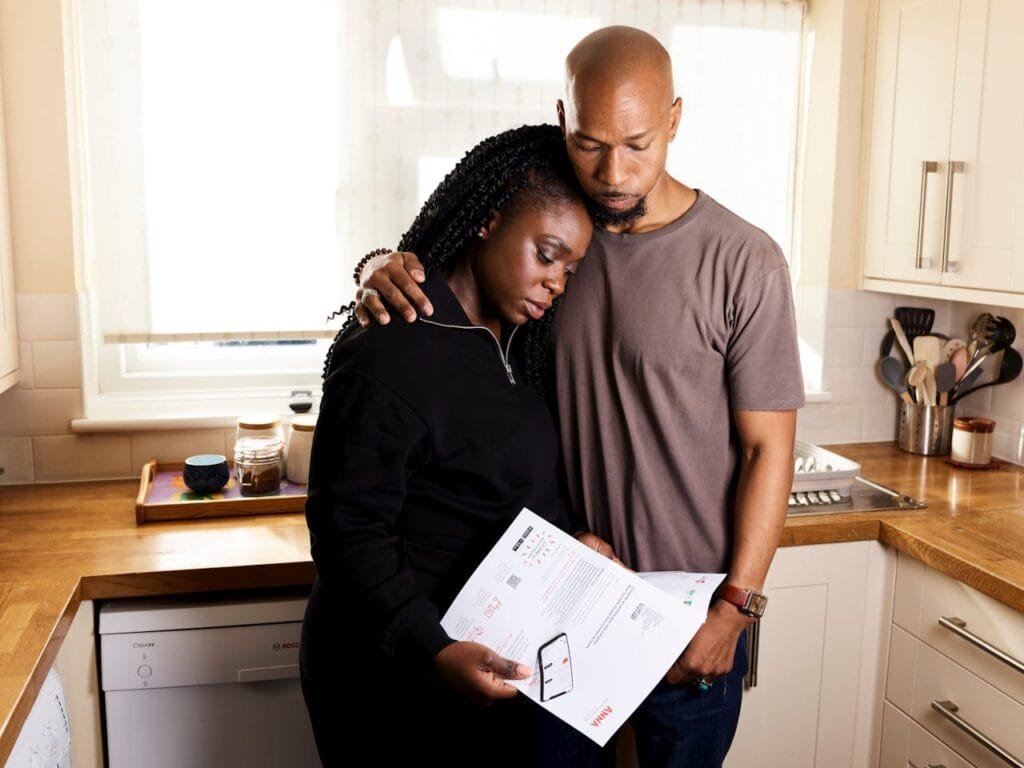
Why Your Family Needs a Vision (Yes, It’s a Thing)
Ever feel like life is just a series of random events? If you’re married or thinking about it, you might wonder how to make sure you and your partner are on the same page, especially when it comes to your future. That’s where having a family vision comes in. It’s like a roadmap for your relationship—your guide to what you both want in life, whether that’s growing spiritually, having kids, or building a dream home.
When couples take the time to create a family vision, they’re setting up their lives for fewer miscommunications and stronger teamwork. It’s not just about avoiding conflict (although, let’s be real, that’s a bonus), it’s about thriving together.
Think of your family vision as the North Star that keeps you both moving in the same direction, even when life throws curveballs. The key here? Communication. When you talk through your goals, dreams, and values, you’re building something solid—a partnership that’s grounded in love, trust, and mutual understanding.
Aligning Your Goals: Why It Matters
Let’s get real—life can get messy. Between work, church, friends, and everything in between, it’s easy for couples to drift apart when their goals aren’t aligned. That’s why having those honest conversations about where you’re heading as a couple is so important.
Here’s what aligning your goals does:
Improves Communication: When you’re both clear about what you want, misunderstandings are less likely to happen.
Fosters Accountability: You’re not just partners; you’re teammates. A shared vision keeps you both invested and working toward the same things.
Deepens Your Relationship: Working together on shared goals strengthens your connection. Plus, it makes celebrating those wins so much sweeter.
Finding Your Individual Values and Goals
Before you can create a vision for your family, it’s important to know what each of you values individually. What’s important to you? What are your personal goals? This is where you get to reflect and be real with each other.
Here’s a little exercise to try: Each of you write down your top 10 values (think faith, career, adventure, family, or health). Once you have your lists, compare them. Do you notice any overlaps? Maybe you both value community service or personal growth. And for the values that don’t match, don’t stress—this is a great opportunity to have deeper conversations about how you can support each other’s dreams while blending them into your family vision.
And don’t just stop at values. Talk about goals, both big and small. What does each of you want to accomplish in the next year? Five years? Whether it’s saving for a house or getting more involved in church, knowing each other’s aspirations is key to building that shared vision.
How to Create a Family Vision (Without Overcomplicating It)
So, how do you actually create a family vision? It’s simpler than you think.
Set the Mood: Find a comfortable spot, grab your favorite snacks, and make sure there are no distractions. This is your time to connect.
Share Your Dreams: Start by talking about what’s important to you as individuals. What kind of family life do you both want? What are your biggest hopes for the future?
Find Common Ground: Look for the goals and values you both share. These are the building blocks of your family vision.
Document It: Write it down! Whether it’s a couple of bullet points or a full-on mission statement, get your shared vision on paper. You can always tweak it later.
Remember, this process should be fun, not stressful. It’s about dreaming together and making sure you’re both excited about the future.
Turning Your Vision into Action: SMART Goals
Now that you’ve got a vision, it’s time to make it real. And to do that, you need to set some goals—specifically, SMART goals (Specific, Measurable, Achievable, Relevant, and Time-bound).
Here’s how you can do it:
Specific: Be clear about what you want. Instead of saying, “We want to save money,” say, “We want to save N20,000 for a house down payment by 2026.”
Measurable: How will you track your progress? Maybe it’s saving N500 a month.
Achievable: Be realistic. Can you both commit to these goals given your current situation?
Relevant: Make sure the goals tie into your shared vision.
Time-bound: Set deadlines to keep yourselves on track.
SMART goals keep you focused, motivated, and accountable.
Crafting Your Family Mission Statement
A mission statement for your family might sound a little too “corporate,” but it’s actually a really meaningful way to keep your family vision front and center. It’s like a manifesto that reflects what matters most to you both.
Start by discussing your core values and what kind of family culture you want to create. Once you’ve got some ideas, draft a short statement that captures your shared goals and values. Something like: “We’re a family that values faith, kindness, and adventure. We’re committed to growing together, supporting each other, and making a positive impact in our community.”
Involving Kids in the Vision
Got kids? Include them in the process! It doesn’t matter if they’re young or teenagers—getting them involved helps them feel like part of the team.
For younger kids, try simple activities like having them draw what they want the future to look like. For older kids, ask them what they think is important for your family’s future. You might be surprised by their insights!
Keep It Fresh: Reviewing Your Vision
Life changes, and so should your family vision. Make it a point to review and reassess your vision every year or so. Things like career changes, a new baby, or a move can shift your goals and priorities, so it’s important to stay flexible.
During these review sessions, talk about what’s working, what needs tweaking, and what new goals you want to set. This not only keeps you on track but also keeps the conversation flowing.
Celebrate the Wins (Big and Small)
Don’t forget to celebrate your progress! Whether it’s paying off a debt, hitting a savings goal, or just surviving a tough season—acknowledge the wins. Celebrating together strengthens your bond and makes the journey that much more rewarding.
At the end of the day, creating a family vision is about building a life that reflects your shared dreams and values. It’s not about perfection—it’s about intentionality, growth, and staying connected through all the ups and downs. So take the time to dream big, plan together, and enjoy the ride. You’ve got this!
Faith is more than just what you believe; it’s often a core part of who you are. Whether you grew up in church or found faith later in life, it shapes how you see the world and how you navigate relationships. If you’re a young adult navigating dating and relationships, you’ve probably wondered how faith fits into the picture. Is it a dealbreaker if your partner doesn’t share your beliefs? Should you bring it up right away or wait until things get serious? Let’s dive into why timing matters when it comes to faith in your relationship.
For a lot of people, faith isn’t just a Sunday thing—it’s the foundation of their identity. If you’re someone who relies on your relationship with God to guide your decisions, it makes sense that you’d want a partner who gets that. For others, faith might not be the center of everything but it is still important in shaping values like honesty, compassion, and commitment. Either way, understanding where faith fits into your relationship is key to building a healthy, long-lasting connection.
Is Faith Important to Your Partner? Here’s How to Tell
Wondering if faith is a big deal for your partner? Here are a few signs to look for:
Spiritual conversations: If your partner talks about their faith often—like how they grew up in church or how faith shapes their outlook on life—it’s probably a significant part of who they are.
Religious activities: Do they attend church regularly, volunteer at faith-based events, or celebrate religious holidays? These are good indicators that their faith is an important part of their life.
Moral compass: Pay attention to how they talk about right and wrong. If their faith guides their stance on social issues or personal decisions, it’s clear faith is intertwined with their values.
Handling stress: In tough times, people often turn to what gives them peace. If your partner prays or talks about trusting God during stressful moments, faith likely plays a big role in how they cope.
Understanding where your partner stands on faith can help you navigate deeper conversations and avoid potential misunderstandings down the road.
Reflecting on Your Own Faith
Before you even start talking about faith with your partner, take a moment to reflect on your own beliefs. Where do you stand? How important is your faith in your daily life and future goals?
What role does faith play in your life? Maybe you grew up in church, or maybe your faith journey is still evolving. Either way, knowing where you stand will help you explain your beliefs to your partner.
How flexible are you on shared beliefs? Is it a must for your partner to share your faith, or are you okay with differing views? Knowing this can help guide your dating decisions and prevent potential conflict.
How does faith influence your future plans? Think about family traditions, how you’d want to raise kids, or even how you see marriage. These can be big topics to explore with your partner later on.
Taking time to assess your own faith ensures you’re prepared to share it authentically when the time comes.
Timing Is Everything
So, when should you bring up faith in your relationship? Too soon, and it might feel overwhelming. Too late, and you could find yourselves on different pages about things that really matter.
Early in the relationship, it’s normal to focus on the lighter stuff—your favorite hobbies, music, and fun plans. But eventually, as things get serious, it’s important to dig into those deeper conversations. If faith is central to your life, bringing it up early (but not on the first date!) can help avoid unnecessary heartache later on.
But don’t wait too long, either. If faith is a big part of your future plans—like how you want to raise kids or what kind of community you want to be part of—it’s crucial to share that with your partner sooner rather than later. It’s all about balance. Gauge the right moment based on how your relationship is progressing, and make sure both of you are comfortable.
How to Bring Up Faith Without Making It Awkward
Starting a conversation about faith doesn’t have to be a big dramatic moment. Here are a few tips to make it easier:
Pick the right moment: Find a time when you’re both relaxed, maybe after dinner or during a casual hangout. The goal is to create a space where both of you feel comfortable sharing.
Be honest and open: Let your partner know why faith is important to you. Whether you’re sharing your testimony or explaining how faith influences your decisions, being real helps your partner understand your perspective.
Listen as much as you share: Ask questions like, “What role does faith play in your life?” or “How do your beliefs shape the way you see relationships?” This isn’t just about sharing your views—it’s also about understanding theirs.
By creating a respectful dialogue, you can avoid any tension and grow closer as a couple, even if you don’t see eye to eye on everything.
Navigating Faith Differences
Let’s be real—faith differences can sometimes be a big deal. But they don’t have to be relationship-enders. If your faiths are different, focus on what does unite you.
Look for shared values: Even if you don’t share the same faith, you might both value things like honesty, compassion, or service. Build your relationship around those common ground values.
Be ready to compromise: Maybe one of you is more involved in church than the other. Finding ways to support each other’s faith journeys—whether that’s attending services together or giving space for individual worship—can help bridge the gap.
Respect boundaries: Don’t try to force your partner to believe what you believe. Instead, foster an environment of curiosity and respect where both of you can learn from each other.
Faith and Future Planning
Faith often influences big life decisions, so it’s important to be on the same page when planning your future. Whether it’s your wedding, how you’ll raise your kids or your involvement in the community, these are conversations worth having early on.
Marriage: If you’re thinking about marriage, faith can play a huge role in how you define your commitment. Whether you’re planning a faith-based wedding or deciding what values to prioritize, open conversations about faith are crucial.
Raising Kids: If you want to raise your children in a certain faith tradition, now’s the time to bring it up. Mixed-faith couples, especially, need to talk through how they’ll balance different beliefs when it comes to things like religious education and family traditions.
Community: How involved do you want to be in faith-based communities or service projects? Shared involvement in church or local outreach can strengthen your bond and provide a sense of belonging as a couple.
When Faith Differences Are a Problem
Not all faith differences can be worked through. Here are some red flags to watch out for:
Frequent arguments about faith: If talking about your beliefs always leads to tension or fights, that’s a sign there might be deeper issues to address.
Lack of respect: If either of you dismisses or belittles the other’s faith, it can damage the relationship’s foundation of trust.
Isolation from community or family: Feeling pressured to distance yourself from your faith community or family because of your relationship is a major red flag.
If these issues come up, it’s worth seeking advice from a mentor or counselor to navigate the conflict in a healthy way.
The Joy of Shared Faith
On the flip side, when you and your partner share faith, it can be a huge source of strength in your relationship. You have a built-in support system, shared values, and a foundation that can help you through tough times. Whether it’s praying together, serving in the community, or simply knowing you’re both on the same page spiritually, shared faith can lead to deeper connection and purpose as a couple.
Whether faith is a dealbreaker or a journey you’re still figuring out, how you handle it in your relationship is key. With open communication, respect, and thoughtful timing, you and your partner can navigate faith together and build a relationship that thrives—spiritually and emotionally.
Marriage is a journey, not a destination. And just like faith, every couple’s path is unique. Your marriage is shaped by a ton of factors: your upbringing, past experiences, family dynamics, and, of course, how you and your spouse connect spiritually.
For Christians, marriage is often seen as a partnership not just between two people, but with God at the center. That can add some incredible depth to your relationship, but it also means you’ll face moments of growth, doubt, and change together. And that’s okay! A solid marriage evolves. Sometimes you’ll both be on fire for God and each other, while other times, one (or both) of you might struggle with questions, doubts, or life challenges.
Here’s the thing: it’s perfectly normal to have doubts or face struggles in your marriage. In fact, those moments often serve as a place for deeper growth. Kind of like a faith journey, right? What matters is how you and your spouse handle those seasons—leaning into community, relying on each other, and trusting God’s plan.
The best part? You don’t have to figure it all out alone. Having a strong, faith-based community like Kisses and Huggs Club, can make all the difference in how you navigate the highs and lows together.
The Role of Community in Marriage
Community in marriage is clutch. Surrounding yourselves with other Christian couples gives you the support, wisdom, and sometimes just the laughter you need when things get tough. Plus, being in a group of like-minded believers means you’re all learning from each other. It’s encouraging to see how other couples live out their faith within their marriage.
And let’s talk about worshipping together. Ever been in a service where you and your spouse are fully present—worshipping God side-by-side? That’s some powerful stuff. When you’re aligned in prayer and worship, it’s like you’re both recharging spiritually together. That spiritual intimacy often spills over into other areas of your relationship, deepening the bond between you two.
In addition, having a solid group of believers around you offers accountability, which is crucial for a healthy marriage. We’re all human, and sometimes we drift off course. But when you’ve got a supportive community that’s checking in on you, praying for you, and encouraging you, it helps you stay grounded in your marriage vows and faith.
Encouraging Each Other in Faith
Marriage is a team effort, especially when it comes to your faith. There will be times when one of you might be going through a spiritual dry season or struggling with something, and that’s when the other can step in with some much-needed encouragement.
Words of affirmation go a long way. Compliment your spouse when you see them showing patience, kindness, or any other fruits of the Spirit in your relationship. It’s easy to take the little things for granted, but pointing them out strengthens the bond and boosts each other’s faith.
Praying together regularly is another big way to build up your faith life as a couple. Whether it’s a simple prayer before bed or joining a group prayer with friends, praying for each other’s hearts, struggles, and dreams keeps you both anchored in God’s will for your marriage. And don’t forget to celebrate milestones together! Whether it’s an anniversary or just a small victory like overcoming a tough week, acknowledging those moments together shows that you’re invested in this journey for the long haul.
Respecting Differences in Marriage
You and your spouse are two different people—of course, you’re going to have different opinions sometimes. That could be about how you interpret parts of your faith, how you raise your kids, or even what your favorite worship songs are. And that’s cool! Those differences don’t have to divide you; in fact, they can deepen your relationship if handled with love and respect.
When disagreements come up, approach them with open-mindedness. Take the time to hear your spouse out without immediately jumping in to defend your view. That respect and empathy go a long way in maintaining peace and harmony in your marriage. And hey, you might even learn something new about your spouse’s spiritual journey.
The key is to focus on what unites you—your love for each other and your shared belief in God. By keeping that at the forefront, you can navigate disagreements with grace and understanding.
Sharing Your Testimonies
One of the coolest things about marriage is that you get to witness each other’s growth—both as individuals and as a couple. Sharing your personal faith stories, or even with other couples, can be a deep bonding experience. Talk about those moments when you’ve seen God move in your relationship or when faith helped you get through a tough time.
Not only does sharing testimonies strengthen your connection, but it also reminds you that God is actively working in your marriage. Plus, when you share your experiences with others, it might encourage someone who’s going through something similar.
Creating Space for Spiritual Growth Together
It’s important to make room for both of you to grow spiritually. That could mean attending Bible studies together, joining a couples’ small group, or even taking time for individual devotions. Maybe one of you loves diving into scripture while the other connects with God through worship music. Find ways to support each other’s unique ways of connecting with God while also finding activities you can do together.
Consider going on a marriage retreat. These are great opportunities to unplug from the daily grind and focus on each other and God. Whether it’s through worship sessions, workshops, or even just having quiet time together, retreats can offer a fresh perspective on your relationship and help you both feel more aligned in your faith.
Supporting Each Other Through Tough Times
Let’s face it—life gets hard sometimes. And when those moments come, you need to be each other’s safe place. Whether it’s job loss, health issues, or a faith crisis, being there for each other during difficult seasons is key to building a lasting, faith-filled marriage.
One of the best ways to support your spouse during tough times is by simply showing up. Sometimes, that looks like offering a listening ear, and other times, it might mean handling extra responsibilities around the house so your partner can have a moment to breathe. Prayer is also powerful. Even if your spouse isn’t feeling super connected to God in that moment, praying for them and with them can bring comfort and healing.
Building Lasting Relationships Through Faith
At the end of the day, your marriage is built on the foundation of your faith, but it doesn’t exist in isolation. Surround yourselves with other strong Christian couples who can walk alongside you, encourage you, and challenge you to grow. These relationships will not only bless your marriage but also help you both become better partners, friends, and followers of Christ.
Remember, a marriage rooted in faith isn’t just about surviving the tough times—it’s about thriving together, building each other up, and walking through life hand-in-hand with God at the center. By supporting each other on this journey, you’ll build a marriage that not only lasts but truly reflects God’s love.
How To Build Trust Through Accountability In Dating
Alright, let’s talk about something super important in Christian dating that doesn’t always get enough attention: accountability. Yup, that word can sound a bit intimidating, but don’t worry—I got you. Think of it like having a supportive, loving “check-in” system with your partner that keeps your relationship strong and faith-centered. And in today’s busy, modern world, it’s more essential than ever.
So grab your coffee, and let’s dive into what accountability looks like, why it matters, and how you can weave it into your dating life without feeling like you’re under a microscope!
What is Accountability in Christian Dating?
You’ve probably heard the word accountability thrown around a lot, especially in church settings. But what does it actually mean when it comes to dating?
In a nutshell, accountability means you and your partner are responsible for looking out for each other—emotionally, spiritually, and even relationally. It’s about having each other’s backs and making sure your relationship aligns with your faith. The Bible nails this with verses like Galatians 6:2: “Bear one another’s burdens.” It’s not just about you or them—it’s a shared journey toward growth and holiness.
Why It’s Important
Let’s be real—dating can get complicated. Feelings, temptations, external pressures (looking at you, social media) can all throw things off balance. Accountability brings trust, honesty, and a Christ-centered focus into the mix.
When you and your partner hold each other accountable, you’re basically saying, “Hey, this isn’t just about my feelings or yours—it’s about us growing together, spiritually and emotionally.” That’s huge, especially if you want a relationship that honors God.
Why Mutual Accountability is a Game-Changer
Think of mutual accountability as having a built-in support system. It helps you communicate better, build trust, and prioritize each other’s needs. And trust me, without that, relationships can feel like a rollercoaster with no seatbelt.
Here’s why it matters:
1. Open Communication = Less Drama
Ever had a situation where you thought everything was fine, only to find out your partner was silently struggling? Accountability encourages regular check-ins where you can talk openly about expectations, struggles, and, yes, even boundaries.
2. Fosters Respect
It’s not just about keeping each other in check. It’s about showing that you care enough to ask, “How’s your heart? How’s your walk with God?” By holding each other accountable, you’re showing deep respect for their spiritual journey, not just their role in your life.
3. Keeps Temptation in Check
Let’s be honest—dating can be tough, and temptation is real. Whether it’s physical boundaries or other distractions, having that regular accountability helps you both stay focused on what’s truly important.
The Biblical Roots of Accountability
If you’re wondering if accountability is just a modern dating trend—spoiler alert—it’s not. It’s been part of biblical teachings from the jump. Verses like Proverbs 27:17 remind us that “iron sharpens iron,” meaning we get stronger when we’re surrounded by people who challenge and inspire us.
And in Ecclesiastes 4:9-10, we’re told that “two are better than one… for if they fall, one will lift up his fellow.” This is literally the blueprint for accountability in dating. It’s not just a nice-to-have; it’s a God-designed system to make sure we’re building each other up and keeping each other grounded.
Benefits of Accountability in Christian Dating
Now, let’s get into the good stuff—what’s in it for you? Here are the top benefits of embracing accountability in your dating life:
– Deeper Trust: Open communication creates a safe space where both of you can be honest without fear of judgment. This level of transparency deepens emotional intimacy.
– Reduced Temptation: Having regular “How’s our relationship doing spiritually?” check-ins helps you stay on track. It’s not about policing each other, but more about helping each other resist temptations and stay true to your shared values.
– Spiritual Growth: Praying together, studying scripture, and keeping each other accountable will draw you closer to God and to each other—double win.
– Healthy Conflict Resolution: When you’re in the habit of open communication, it becomes easier to address issues before they blow up. It’s like relationship maintenance—small fixes before major repairs.
How to Build Accountability in Your Relationship
Ready to level up your dating game? Here’s how to integrate accountability without it feeling like a chore:
1. Schedule Regular Check-Ins
Make it a habit to ask each other how you’re doing—not just emotionally, but spiritually too. A weekly check-in works wonders and gives you both a space to express concerns or celebrate progress.
2. Set Boundaries Together
Be clear about your boundaries—whether they’re physical, emotional, or spiritual. Talk about them openly and hold each other accountable in a way that honors God.
3. Find a Mentor or Small Group
Having a couple or a group that you trust for advice and support can give you a wider perspective. They’ll help you stay grounded when emotions run high.
4. Pray Together
Nothing connects you more than lifting each other up in prayer. It’s a simple, yet powerful way to invite God into your relationship.
Communication Hacks for Better Accountability
Let’s get practical. How do you actually have these accountability conversations without them turning into awkward interrogations?
– Listen More Than You Talk
Sometimes, the best way to help someone is to simply hear them out. Active listening shows that you care, and it builds trust.
– Be Honest but Kind
Don’t sugarcoat the truth, but also, don’t be harsh. It’s a delicate balance, but one that can make your relationship stronger.
– Show Compassion
Remember, the goal is to build each other up, not tear each other down. Approach tough topics with love and understanding.
Common Challenges to Accountability (And How to Overcome Them)
Here’s the thing: accountability isn’t always easy. You might run into some challenges like:
– Fear of Being Judged
Nobody wants to feel like they’re being critiqued 24/7. To overcome this, create a safe space where honesty is valued over perfection. Be gracious with each other’s mistakes.
– Different Expectations
One person might be all-in with accountability, and the other might not be as invested. Be upfront about what accountability looks like for both of you and find a middle ground.
Final Thoughts: Accountability is Key to Healthy Relationships
At the end of the day, accountability isn’t about control or guilt-tripping each other. It’s about building a relationship where both of you can thrive spiritually and emotionally. Embracing accountability is like adding a safety net under your relationship—it’s there to catch you when things get tough and to keep you grounded in your faith journey.
So, as you navigate your dating life, remember: accountability isn’t just something you “should” do—it’s something that will help your relationship grow stronger, deeper, and more Christ-centered. And that, my friends, is a beautiful thing.
Forgiveness sounds simple, but it’s way more than just “moving on” or pretending something didn’t hurt. Forgiveness in marriage is about making a conscious choice to release feelings of resentment or anger towards your spouse. It’s a heart decision that can completely change the vibe of your relationship.
But let’s clear something up: forgiving doesn’t mean you’re giving the green light to bad behavior. Nope, it’s about understanding how those actions affected you both and deciding to work through the pain together. It’s emotional work, and yeah, it’s not always easy, but it leads to major growth. When couples forgive, they create space for healing, love, and deeper emotional connection. And trust me, it can make all the difference in the world when things get tough.
Why Forgiveness Is Key to a Healthy Marriage
Marriage isn’t all cute Instagram pics and romantic dates—it’s also about navigating the mess. There are going to be arguments, misunderstandings, and moments where you feel like throwing in the towel. Holding onto grudges? That’s a fast track to emotional distance, tension, and a breakdown in communication.
But here’s the good news: when you choose to forgive, you’re not just “getting over it.” You’re saying, “We’re in this together, and we’re stronger than this issue.” Couples who learn to forgive each other create a foundation that can weather any storm.
Forgiveness is about freedom—freedom from resentment and freedom to move forward as a couple. And the real kicker? It builds resilience. When you forgive, you’re not just fixing the current problem; you’re setting up your relationship to thrive in the future.
Real-Life Marriage Moments That Require Forgiveness
Every marriage has its “uh-oh” moments—those times when you’ve got two options: hold a grudge or forgive and move forward. Here are some common ones:
– Money fights: Maybe your partner’s spending habits drive you nuts, or you don’t see eye-to-eye on saving. Instead of letting it create distance, forgiveness helps open the door to real talks about financial priorities.
– Infidelity: Yes, this one hurts big-time. Betrayal cuts deep, but forgiveness can be the start of healing. It’s not about excusing the behavior but addressing the pain and rebuilding trust—together.
– Unmet expectations: We all go into marriage with certain hopes, and when reality doesn’t match, it can sting. Forgiveness turns unmet expectations into growth opportunities, helping you adapt as a couple.
– Miscommunication: Misunderstandings happen, and they can blow up fast. Forgiveness allows you to look past the immediate hurt and focus on better communication moving forward.
Each of these moments is a chance to choose grace over resentment and to grow stronger as a couple.
The How-To of Forgiveness (Yep, There’s a Process!)
Forgiveness is a journey, and it starts with a few important steps:
1. Acknowledge the hurt: Don’t sweep things under the rug. Take time to understand how the issue impacted both of you.
2. Express your feelings: Be real with each other. Use “I” statements like “I felt hurt when…” to communicate without blaming.
3. Talk it out: This is where the magic happens. Dig into the situation, listen to each other’s perspectives, and try to get to the root of the issue.
4. Make the choice to forgive: At some point, you’ve got to decide to let go of resentment and move forward with love and understanding.
Remember, forgiveness isn’t a one-time deal. It’s something you’ll need to practice continually as life throws its challenges your way.
Breaking Through the Barriers to Forgiveness
Let’s be honest—sometimes forgiving is hard. Maybe pride is in the way, or you feel too vulnerable to open up. Pride can keep you from taking that first step toward reconciliation, and fear of vulnerability can make you hesitant to be real with your spouse. After all, what if they take advantage of your forgiveness?
The antidote? Open, honest communication and active listening. When you create a space where both of you can be real without fear of judgment, forgiveness can flow more easily. You’ll stop seeing each other as enemies and start working together as partners again.
The Emotional Payoff: Why Forgiveness Feels So Good
Choosing to forgive doesn’t just help your marriage—it helps you. Holding onto anger, resentment, and grudges only keeps you stuck. Letting go through forgiveness clears out all that emotional clutter, giving you room for joy, peace, and intimacy.
Plus, studies show that forgiveness can reduce anxiety, depression, and even stress. So when you and your spouse let go of those past hurts, you’re not just improving your relationship—you’re setting yourselves up for better mental and emotional health.
Forgiveness for the Long Haul
Practicing forgiveness in your marriage isn’t just about smoothing over today’s issues; it’s about building a future together. Couples who embrace forgiveness experience greater intimacy and longer-lasting satisfaction in their relationship. Why? Because when you forgive, you’re telling your partner, “I choose us over this problem.”
One thing’s for sure: holding onto grudges doesn’t do anyone any favors. It wears down your connection and keeps love at arm’s length. But when you make forgiveness a habit, you create a relationship that’s built to last—one that can bounce back from challenges and grow stronger with time.
Forgiveness: Your Secret Weapon for Conflict Resolution
When disagreements happen (because, let’s face it, they will), forgiveness can be your secret weapon. It shifts the focus from blame to solutions, from anger to understanding. Imagine tackling your next argument not with bitterness but with grace, knowing that you and your spouse are a team no matter what.
By weaving forgiveness into how you resolve conflicts, you’re not just solving the issue at hand—you’re creating a healthier, more loving communication dynamic for the future. And that’s where emotional intimacy really starts to thrive.
Forgiveness Is a Journey, Not a Destination
One last thing to remember: forgiveness isn’t a one-and-done deal. It’s an ongoing process. It requires consistent effort, vulnerability, and a commitment to keeping your heart open.
Regular check-ins with each other can make a huge difference. Whether it’s over coffee in the morning or during a walk at sunset, these moments of connection help you both stay aligned and work through any lingering hurts. Self-forgiveness also plays a role here—giving yourself grace for your own mistakes makes it easier to extend that grace to your spouse.
So, whether it’s through heart-to-heart talks, prayer, or seeking outside help like counseling, remember that forgiveness is something you practice. And the more you practice, the stronger your marriage becomes.
Forgiveness in marriage isn’t just an option; it’s the lifeline that keeps your relationship healthy, connected, and resilient. So next time things get messy (and they will), remember that choosing forgiveness is choosing each other—and that’s a choice worth making every single time.
Alright, let’s talk about love languages from a Christian perspective. Maybe you’ve heard of them, maybe not, but love languages are a game-changer when it comes to understanding how we express and receive love. It’s not just about romance; it’s about all relationships—friends, family, church community, and yes, romantic partners. And as Christians, understanding love is a huge part of living out our faith.
What Exactly Are Love Languages?
So, love languages—what are they? Dr. Gary Chapman introduced this concept in his book “The Five Love Languages”. In a nutshell, we all have different ways of showing love and feeling loved. The five main ones are:
– Words of Affirmation (think compliments or encouragement)
– Acts of Service (helping out in practical ways)
– Receiving Gifts (thoughtful tokens, big or small)
– Quality Time (undivided attention)
– Physical Touch (hugs, holding hands, etc.)
Now, while the world talks about love languages, we’re adding a Christian lens here. Love isn’t just a feeling—it’s a practice. It’s what Jesus calls us to do, and figuring out how people in your life feel loved can help you love them as Christ loves us.
How Do Love Languages Work?
Let’s break down the love languages, with a bit of biblical flavor:
– Words of Affirmation – People who vibe with this love language light up when they hear encouragement or kind words. Proverbs 18:21 says, “The tongue has the power of life and death,” which is just a fancy way of saying words have a massive impact. Whether it’s a “thank you” or “I’m proud of you,” your words can breathe life into someone’s day.
– Acts of Service – If this is your love language, someone lending a helping hand means everything. Think of Galatians 5:13: “Serve one another humbly in love.” It could be something as simple as doing the dishes or helping someone move. It’s love in action.
– Receiving Gifts – Gifts don’t have to be expensive. It’s the thought behind them that matters. It’s like the sentiment in Ecclesiastes 3:1, where there’s a season for everything, including giving. The right gift at the right time can be a way to say, “I’m thinking of you,” in a way that really hits home.
– Quality Time – This love language is all about undivided attention. Jesus was the master of this; He spent quality time with His disciples—teaching, eating, and just being with them. Psalm 46:10 encourages us to “be still,” which can be a reminder to just be present with the people you care about.
– Physical Touch – Some people feel most connected through hugs, hand-holding, or even just a pat on the back. 1 John 4:19 says, “We love because He first loved us,” reminding us that even physical affection can be a reflection of divine love.
Jesus and Love Languages
Jesus was the king of love languages—seriously. He showed love in so many ways, whether it was spending time with His disciples, affirming others with His words, or serving others in big and small ways. One example is the story of the Good Samaritan (Luke 10:25-37), where love was shown through acts of service.
Another great example is the Apostle Paul. His letters to early Christians were filled with words of affirmation and encouragement, showing how uplifting speech can strengthen faith and relationships. These biblical examples remind us that love languages are not a new thing—they’ve been around forever.
What’s Your Love Language?
You might be wondering, “Okay, but how do I know my love language?” Great question. It all starts with self-reflection. When do you feel most appreciated? Is it when someone says something nice, spends time with you, or helps you out with a task? Or maybe a hug after a long day speaks volumes to you.
If you’re still not sure, some quizzes can help you pinpoint your primary love language. But take it a step further: Pray about it. Ask God to guide you as you discover how you best give and receive love. Understanding your love language isn’t just about personal growth; it’s also about improving your relationships with others and aligning them with your Christian values.
How to Spot Your Partner’s (or Friend’s) Love Language
Learning your partner’s or friend’s love language? It’s like unlocking a new level of connection. Have an open convo about it. Ask them, “What makes you feel loved?” or “How do you prefer I show affection?” It might feel awkward at first, but trust me, it’s worth it.
Also, be observant. How do they show love? If they’re always helping you out, their love language might be acts of service. If they love giving gifts, that might be their jam. This isn’t a one-time thing either—relationships evolve, so stay curious about how to love them better.
Real Talk: Love Languages Can Be Hard
Here’s the thing: It’s not always easy. Let’s say your love language is quality time, but your partner’s is acts of service. You might feel neglected when they’re doing things for you, but all you want is for them to just sit and talk. This can lead to frustration and unmet needs.
But don’t panic. The Bible calls us to patience, understanding, and compromise (hello, 1 Corinthians 13). Talk about it, work on it, and give each other grace. Learning to speak someone else’s love language can take effort, but it’s so worth it in the long run.
Love Languages & Family
Love languages aren’t just for couples. They’re super important in families, too. Maybe your mom’s love language is gifts, but you’ve been trying to bond over quality time. Or your sibling needs words of affirmation, and you’re focused on helping them out with acts of service. Knowing each other’s love languages can reduce family misunderstandings and make everyone feel more loved and connected.
In Christian families, love is the cornerstone. When we understand how each family member feels loved, we can create a home environment that mirrors Christ’s love—full of patience, kindness, and support.
Putting Love Languages Into Action
Ready to bring this love language knowledge into your everyday life? Here are a few ideas:
– For Words of Affirmation: Send a text with a Bible verse or a kind note. It’s a small effort that can go a long way.
– For Acts of Service: Surprise someone by helping them with something on their to-do list—whether it’s cooking, cleaning, or just being there.
– For Receiving Gifts: Thoughtful gifts don’t have to cost a lot. Maybe pick up their favorite snack or a book that reminded you of them.
– For Quality Time: Plan a no-phones-allowed coffee date or take a walk together. It’s about giving them your full attention.
– For Physical Touch: Offer a hug or hold their hand during prayer. Even small gestures make a big difference.
Final Thoughts: Love Languages Are Powerful
Understanding love languages can transform your relationships. When we get intentional about how we love—whether that’s with friends, family, or in dating—it not only strengthens our connections but also reflects Christ’s love for us.
So, what’s your next step? Figure out your love language. Learn about your loved ones. And then go out there and love people the way they need to be loved. After all, isn’t that what living like Jesus is all about?
Money can make or break a relationship. When it comes to blending finances with your partner, finding financial harmony is crucial. Think of it like syncing your playlists—you both have different tastes, but when you find common ground, everything flows. The same goes for managing money. Financial harmony is when both partners understand, agree on, and manage their money together. And trust me, it’s the secret sauce to a healthier, stress-free relationship.
When you’re upfront about your money goals, spending habits, and budgets, it’s like creating a safe space to be real with each other. No judgment, just teamwork. This open vibe allows both partners to express their concerns, share dreams, and avoid future money fights. You’re not competing against each other; you’re teaming up for a common goal.
Pro Tip: Financial stress can sneak into other areas of your relationship. By prioritizing financial harmony, you’re not just dodging money drama, you’re building trust, respect, and a stronger emotional connection.
Setting Financial Goals Together (Like a Power Couple)
The first step to blending your finances? Setting some solid financial goals. It’s like planning a road trip—you need to know where you’re headed before you hit the gas. Start by talking openly about your personal and shared money goals. Do you want to save for a house? Travel the world? Build up your emergency fund? These conversations help you figure out how to get there—together.
Here’s a quick breakdown:
– Personal goals: Maybe one of you wants to save for a new laptop or invest in a hobby.
– Joint goals: Think big—buying a home, retirement, or even that dream vacation.
Once you’ve got those goals down, it’s all about prioritizing. Short-term goals like paying off debt or building savings should come first. Long-term goals, like saving for retirement or kids’ education, need to be a part of the plan too.
Creating a Couple-Friendly Budget
Let’s talk budgets—it’s not the most glamorous topic, but it’s essential. Setting up a joint budget is like putting the training wheels on your financial bike. It helps keep you balanced and on track.
– Step 1: Combine your income. What’s the total cash flow?
– Step 2: List essential expenses (rent, bills, groceries, etc.).
– Step 3: Add in some fun money (yes, you need room for Netflix and the occasional coffee splurge).
Budgeting doesn’t have to feel restrictive. Think of it as freedom within boundaries. Use apps to track spending and set limits. And don’t forget to include savings goals—whether that’s for an emergency fund, a future vacation, or retirement. Keep it flexible, review monthly, and adjust when needed. Life happens, so staying adaptable is key.
Pro Tip: Reviewing your budget together monthly can be like a mini “relationship check-in”—you’ll see how far you’ve come and what adjustments need to be made.
Joint Accounts vs. Separate Accounts (Or Both?)
This is the part where things can get tricky. Should you open a joint account or keep things separate? It depends on what works for your relationship.
– Joint accounts: These can build trust because both partners see the full picture. It’s perfect for shared expenses (rent, utilities, date nights).
– Separate accounts: Great for maintaining independence. You can still split bills, but this lets you manage personal spending without feeling guilty.
Many couples choose a mix—one joint account for bills and savings, and separate ones for personal spending. Just make sure you’re clear on who’s paying for what, and keep the communication flowing.
Debt—A Team Effort
Debt doesn’t have to be a dealbreaker, but ignoring it can be. Student loans, credit cards, or even a car loan—if one or both of you have debt, it’s time for an honest convo. Lay everything out: who owes what, and what the interest rates are. Then work together to create a repayment plan.
Here’s how to tackle it as a team:
– Focus on high-interest debt first.
– Budget a set amount every month to pay it down.
– Consider debt consolidation if it makes sense (just make sure it benefits both of you).
You’re in this together, and every step towards paying off debt is a step closer to financial freedom.
Keep It Real with Financial Transparency
Honesty is the best policy—especially when it comes to money. Being open about your income, debt, spending, and savings is essential for a healthy financial relationship. It’s like sharing your location in real-time—you both know where the other is at, financially speaking. Regular money talks can help keep everything on track. Whether it’s a monthly budget meeting or just checking in on progress toward goals, transparency fosters trust. And trust? That’s gold.
Pro Tip: Hiding purchases or debt (a.k.a. financial infidelity) can wreck trust. It’s better to be upfront, even if it’s uncomfortable at first.
Preparing for Financial Emergencies (Because Life Happens)
Life throws curveballs—unexpected expenses, job loss, medical emergencies. That’s why building an emergency fund together is non-negotiable. Experts recommend saving three to six months’ worth of living expenses but start small if you need to. The key is to start.
Also, review your insurance coverage. Health, auto, and life insurance can be life savers (literally) in a crisis. Make sure you’re both covered and that your policies reflect your current needs.
The Future: Investments and Retirement (Yep, It’s Time to Talk About It)
Planning for the future can feel daunting, but investing together is one of the smartest things you can do. Whether it’s stocks, bonds, or real estate, talk about your risk tolerance and goals. Retirement may seem far off, but starting early is key. Hold regular check-ins to assess progress, adjust strategies, and celebrate the wins, no matter how small.
Navigating Money Disagreements Without Drama
Let’s face it—disagreements happen. Maybe one of you is a saver, and the other loves to splurge. Instead of letting it turn into a full-blown fight, tackle money issues like a team. Set aside time for financial convos (preferably when you’re not stressed) and really listen to each other’s concerns.
Hot Tip: Focus on shared goals. It’s easier to compromise when you both know what you’re working toward.
If you hit a rough patch, remind yourselves that it’s normal. Financial challenges are opportunities to grow closer, not to tear each other apart.
Blending finances isn’t just about numbers—it’s about trust, teamwork, and building a future together. So, keep the lines of communication open, be patient with each other, and remember: You’ve got this.
So, What Can Biblical Couples Teach Us About Modern Relationships?
Let’s face it—navigating relationships in today’s world is hard. Between juggling personal ambitions, family, and the never-ending notifications on your phone, maintaining a solid connection with your partner can feel like a lot. But believe it or not, the Bible is packed with stories of couples who dealt with challenges, setbacks, and wins that we can totally relate to. Whether you’re in a relationship or flying solo, these ancient stories offer some seriously practical wisdom.
Here’s a rundown of the top biblical couples and the relationship lessons we can learn from them. Let’s dive in!
Adam and Eve: The OG Couple
Ah, Adam and Eve—everyone knows their story, but let’s take a fresh look. Their relationship literally started with God saying, “It’s not good for man to be alone.” That’s where Eve comes in as Adam’s perfect partner, emphasizing that strong relationships are built on companionship.
Their big lesson? Communication is key. Remember when Eve had that chat with the serpent about the fruit (yeah, that moment)? What if Adam and Eve had just talked things through instead of making assumptions?
Lesson learned: when life throws you challenges, be sure to communicate openly with your partner. It could save you from a world of hurt (or, in their case, exile from paradise).
Takeaway: Relationships are a shared journey, and the foundation is built on open, honest communication. Don’t leave room for assumptions—talk it out!
Abraham and Sarah: Faith and Patience Are Everything
Abraham and Sarah’s relationship was a marathon, not a sprint. They waited decades for God’s promise of a child, and while the waiting tested their patience, their faith kept them together.
In today’s world, where we expect everything to happen right now, their story is a gentle (okay, maybe not-so-gentle) reminder that some things—like deep trust and meaningful connections—take time to grow. Sarah doubted at first, but over time, her faith caught up with her hope.
Takeaway: Patience is underrated in relationships. Trust the process, keep believing in each other, and understand that faith can be your anchor through life’s ups and downs.
Ruth and Boaz: Kindness and Loyalty Matter
Ruth and Boaz? A relationship GOALS couple for real. Ruth was all about loyalty—leaving everything behind to support her mother-in-law, Naomi, after losing her husband. Then Boaz shows up, respecting Ruth’s hard work and showing kindness without any ulterior motives.
In a world of casual dating apps and ghosting, their story is a refreshing reminder that loyalty, respect, and kindness are what make a relationship strong.
Takeaway: The foundation of any lasting relationship is built on kindness, mutual respect, and selflessness. Put in the effort, and it will come back to you tenfold.
David and Bathsheba: Choices Have Consequences
Not every Bible love story has a happy beginning—or middle. David and Bathsheba’s relationship was messy, filled with poor decisions, and complicated by deception. David’s choices led to a lot of pain for both of them and their families.
But here’s where it gets real: despite all the mistakes, their story didn’t end in tragedy. David’s repentance and God’s forgiveness turned things around. It’s a powerful lesson that even when things go off the rails, owning up to mistakes and seeking forgiveness can help rebuild what was broken.
Takeaway: Everyone makes mistakes in relationships, but what matters most is how you handle the aftermath. Be honest, take responsibility, and seek forgiveness.
Mary and Joseph: Trusting Each Other—and God
Mary and Joseph’s story is next-level trust. Can you imagine being Joseph and hearing that your fiancée is pregnant—with God’s child? Talk about an awkward conversation! But instead of ditching Mary, Joseph chose to trust her and trust God’s plan. Together, they weathered public scrutiny and the unknown because their trust in each other was rock solid.
Takeaway: Every great relationship is built on trust, especially when life gets messy. Learn to lean on each other, and trust that you’ll make it through even the toughest times.
Priscilla and Aquila: Teamwork Makes the Dream Work
Now, this couple knew how to hustle together. Priscilla and Aquila worked side by side as tentmakers and also played a huge role in the early Christian church. Their relationship was a perfect example of how a shared vision and teamwork can make both your relationship and your impact stronger.
Whether you’re building a family, a business, or just a life together, their story is a reminder that couples who work toward common goals are unstoppable.
Takeaway: Don’t just focus on your individual goals—find ways to support each other’s dreams and work as a team. Together, you can accomplish more than you ever could alone.
Hosea and Gomer: The Power of Unconditional Love
Hosea’s relationship with Gomer was the ultimate lesson in grace. Despite Gomer’s unfaithfulness, Hosea continues to love her, illustrating how love isn’t always easy or pretty—but it’s powerful. His story with Gomer mirrors God’s grace toward us, showing that love is more about forgiveness and less about perfection.
Takeaway: Every relationship will face challenges, but the ability to love unconditionally, forgive, and extend grace can bring healing and growth. It’s not about being perfect; it’s about being present and willing to work through the hard stuff.
Final Thoughts: How to Apply These Lessons Today
Whether you’re in a serious relationship, just dating, or single, the stories of these biblical couples are still super relevant. Here’s how to apply these lessons:
– Communicate openly with your partner, even when it’s uncomfortable.
– Be patient—good things take time, and your relationship will grow stronger for it.
– Prioritize kindness and loyalty over quick, surface-level connections.
– Own your mistakes and seek forgiveness when you mess up.
– Build trust in each other and the bigger picture.
– Work as a team toward shared goals.
– Love unconditionally, even when it’s tough.
At the end of the day, these couples weren’t perfect, and neither are we. But their stories show us that with a little faith, a lot of patience, and a commitment to love deeply, we can create strong, lasting relationships that reflect God’s love in today’s world.
Conflict happens in every relationship. It’s not the end of the world—just a chance to grow and understand each other better. Whether it’s about miscommunication, unmet expectations, or just daily life stress, we all experience disagreements. You and your partner may approach conflicts differently, and that’s normal. One person might be ready to talk things out immediately, while the other prefers some space to process. This doesn’t mean you’re not compatible—it just means you’ve got different styles.
A lot of times, conflicts are triggered by everyday issues like finances, how to raise kids, or even deciding what to watch on Netflix. The key is to recognize that your differences can actually make your relationship stronger if you both engage with empathy and openness. So, next time an argument pops up, remember—it’s an opportunity for growth.
Biblical Wisdom for Navigating Conflict
When it comes to handling conflict, the Bible has some pretty solid advice. In Matthew 5:23-24, Jesus basically says, “Hey, if you’ve got beef with someone, don’t just ignore it. Go fix things first.” This tells us that resolving conflict should be a priority in our relationships.
Another gem is Proverbs 15:1, which says, “A gentle answer turns away wrath, but a harsh word stirs up anger.” Translation? It’s not just about what you say but how you say it. If you come at each other with kindness and patience, things are more likely to work out.
Take Abigail from 1 Samuel 25 as an example. She literally saved her household by stepping in with wisdom and humility when her husband picked a fight with King David. Sometimes, it takes a calm, level-headed approach to stop a small conflict from becoming a major drama.
Effective Communication: Talking (and Listening) Like Pros
Communication during conflict is everything. You’ve probably been there—trying to explain your point, but it turns into a full-blown argument because no one’s really listening. The Bible has advice for that too: Proverbs 15:1 (again!) encourages us to keep things gentle. Active listening—actually paying attention and showing you understand—is a game-changer.
The Power of Forgiveness
Forgiveness is huge in relationships. Colossians 3:13 says, “Forgive as the Lord forgave you.” That’s a high bar, but it’s so worth it. When you forgive, you’re choosing to let go of resentment—not because the hurt didn’t matter, but because your relationship does.
Let’s be clear: forgiving doesn’t mean you forget or excuse bad behavior. It just means you’re not holding on to that bitterness. A practical way to start? Pray about it. Also, focus on the good things about your partner—it helps soften the hurt.
Finding Common Ground: The Art of Compromise
Ever heard the saying, “Pick your battles”? Yeah, that’s compromise in a nutshell. Philippians 2:4 reminds us to “look not only to your own interests but also to the interests of others.” Compromise doesn’t mean one person always wins and the other loses—it’s about meeting in the middle and valuing each other’s perspectives.
Try brainstorming together. You’ll be surprised at the creative solutions you can come up with when you work as a team. And stay flexible. It’s not always about being right, but about staying united.
Praying Together Through Conflict
When in doubt, pray it out. Seriously, prayer can bring so much clarity and peace when conflict gets tough. James 1:5 encourages us to ask God for wisdom, and let’s face it, we could all use some divine help when tensions rise.
Some couples find that praying before or after a tough conversation really helps. It centers your hearts and invites God into the process. Others write down their prayers or read scripture together—whatever works for you both!
Setting Boundaries During Conflict
Healthy boundaries = healthier relationships. Boundaries are just clear lines that protect your emotional well-being. Ephesians 4:2 reminds us to practice humility, patience, and gentleness—all key to setting respectful boundaries.
When things get heated, it’s okay to take a break. Let your partner know you need a pause so the conversation doesn’t spiral out of control. Boundaries help both of you feel safe and respected, making conflict easier to handle.
The Long-Term Wins of Healthy Conflict Resolution
Learning how to navigate conflict the right way doesn’t just solve problems—it builds trust, deepens intimacy, and strengthens your relationship long-term. Working through disagreements with love and patience helps you understand each other on a whole new level.
One of the biggest wins? Trust. When you consistently work through issues together, it shows you can rely on each other, no matter what. And that builds a foundation that lasts.
Extra Resources: Books, Workshops, and Counseling
Need some extra tools? There are plenty of resources out there. Click here to access a variety of resources to help you understand each other better and reduce conflict.
And if things are getting tough, don’t hesitate to seek counseling. Sometimes, having a third party helps you see things more clearly.
In a nutshell: conflict isn’t the enemy. When handled with biblical wisdom, empathy, and love, it’s a chance to grow closer to your partner. So, next time a disagreement comes up, remember—you’ve got the tools to navigate it like pros.
Let’s get real for a second: romantic relationships aren’t just about butterflies and date nights—they’re built on something way deeper. And that “something” is friendship. Think about it. When you have a solid friendship with someone, you’re already creating a space for trust, emotional intimacy, and understanding to grow. All the things that help make a relationship meaningful and long-lasting.
When we prioritize friendship before diving headfirst into romance, we’re giving ourselves the chance to really get to know someone—beyond the surface-level stuff. You get to see their quirks, share your thoughts and feelings, and build a foundation of trust that will make both of you feel safe and vulnerable. That openness and honesty make romance about the sparks and a deeper connection.
Relationships that start as friendships tend to be more resilient. You’ve already seen each other at your best and worst, you know how to communicate, and you share values that make navigating life’s challenges together so much easier. In other words, building a friendship first lays the groundwork for a love that lasts.
Different Types of Friendships (And Why They Matter)
Not all friendships are the same, and that’s okay! Understanding the different types can actually help you build a stronger social circle, which, surprise, also helps you in romantic relationships.
1. Platonic Friendships: These are the friendships that are all about emotional connection, without any romantic vibes. They’re your safe space—someone you can be totally yourself with, without worrying about things getting complicated. Strong platonic friendships build trust and teach you how to support and respect someone, which is key when romance eventually enters the picture.
2. Casual Friendships: You know those friends you hang out with because you share a hobby or interest? Like the person you always see at the gym or in your art class? These are casual friendships. They may not be super deep, but they help you sharpen your social skills and broaden your network. Plus, they might surprise you by turning into something more meaningful down the line.
3. Close Friendships: These are your ride-or-dies. They’re the ones who are there through thick and thin, celebrating your wins and helping you through tough times. Close friendships are where vulnerability, trust, and emotional support thrive. These friendships give you a crash course in the kind of emotional connection you’ll need in a romantic relationship.
Communication: The Glue That Holds Friendships Together
Let’s be real—good communication is the backbone of any relationship, whether it’s a friendship or something more. When you have open, honest conversations with your friends, it builds trust. You feel safe to share your thoughts without worrying about being judged, and that’s huge.
– Active Listening: This isn’t just about hearing the words someone’s saying. It’s about really tuning in to understand how they feel. When you practice active listening, you show your friends that you genuinely care about what they’re going through, and that makes your bond even stronger.
– Showing Gratitude: A simple “Thank you for being there” can go a long way. When you show your friends you appreciate them, it reinforces the relationship. And when both people feel valued, the friendship only gets stronger.
Shared Interests: The Secret Sauce of Strong Bonds
Ever notice how easy it is to bond with someone over something you both love? That’s because shared interests are an awesome way to build lasting friendships. Whether it’s hiking, cooking, or geeking out over the latest Marvel movie, doing things together creates shared memories and deepens your connection.
But it’s more than just having fun together—it’s about discovering new sides of each other. Maybe your friend invites you to try something new, and before you know it, you’re both obsessed with it. Shared interests keep the friendship fresh and exciting, which can easily translate into a romantic relationship down the line.
Trust and Reliability: The Foundation of Any Relationship
Trust isn’t something you can fake—it’s earned through consistency and support. If you’re there for your friends when they need you most, or if you keep showing up even for the small things, you’re building trust brick by brick.
Being reliable doesn’t have to mean grand gestures. It’s the little things, like remembering their birthday or following through on a promise, that show you value the friendship. And the more trust you build, the stronger your connection becomes—whether you’re keeping it platonic or exploring something more romantic.
Conflict? No Problem—Here’s How to Handle It
No friendship (or relationship) is smooth sailing 100% of the time. Conflicts happen, but it’s how you handle them that makes all the difference. When you and your friend hit a bump in the road, it’s a chance to grow, not tear each other down.
– Active Listening (Again): When you’re in an argument, really try to hear what the other person is saying. It’s easy to get defensive, but if you focus on understanding their perspective, you’re way more likely to resolve things in a healthy way.
– Use “I” Statements: Instead of blaming someone by saying, “You always…,” try “I feel like…”. It shifts the conversation from blame to how you are experiencing the situation, which usually leads to more constructive talk.
– Boundaries Are Key: Know when to take a step back. Sometimes it’s better to cool off and revisit the issue when everyone’s had time to reflect. Respecting each other’s boundaries will keep your friendship strong, even during tough times.
When Friendship Turns Into Something More
Sometimes, that platonic friendship starts feeling a little… different. You’re hanging out more one-on-one, or your conversations are getting deeper and more personal. It might be a sign that things are evolving into something romantic.
The key here is communication (no surprise, right?). If you’re starting to catch feelings, talk about it. Be clear about where you both stand, because the last thing you want is for mixed signals to mess up the friendship. At the same time, don’t be afraid to explore those feelings—it could be the start of something beautiful.
Socializing: Expanding Your Friend Circle
Want to grow your social circle and make more meaningful connections? Don’t be afraid to put yourself out there! Whether it’s attending a local church event, volunteering, or joining a group fitness class, being around like-minded people makes it easier to find new friends.
Social media and apps can also help you connect with new people, but just be cautious with how you navigate those friendships. Whether online or offline, nurturing friendships takes effort. Make it a point to check in regularly with your friends and show up for them.
Final Thoughts: Friendships Make Relationships Stronger
At the end of the day, friendships are the real MVPs in life. They give us a safe space to be ourselves, teach us how to communicate and handle conflict, and provide a strong foundation for romantic relationships. So, if you’re looking for love, start with friendship. It’s the best way to build a relationship that’s not just fun, but fulfilling and lasting.
Keeping the Romance Alive: Timeless Tips for Long-Term Relationships
So, you’ve been with your significant other for a while now, huh? Maybe you’re starting to wonder how to keep that spark alive, especially when life gets busy. Well, you’re not alone! Whether you’re newly married or have been dating for years, maintaining that romance can be a challenge. But here’s the good news: It’s possible to keep things fresh and exciting, even after the honeymoon phase fades.
Let’s dive into some real talk about how romance evolves and how you can keep the fire burning in your relationship with a few timeless (and fun) strategies.
Understanding the Evolution of Romance
Romance isn’t always that “butterflies in your stomach” feeling you had when you first started dating. It evolves—like a playlist that starts off with bangers and slowly transitions to chill vibes. At first, it’s all about passion, late-night convos, and being obsessed with every little thing about each other. But over time, those intense feelings tend to shift into something deeper—like a cozy blanket of trust, shared goals, and inside jokes.
And guess what? That’s not a bad thing! It’s just a different kind of love—more solid, less rollercoaster. But sometimes, that shift can feel like a loss of excitement, and that’s when many people start worrying if the romance is fading. Here’s the trick: Embrace this new phase! You can still reignite that passion through small, intentional efforts.
Here’s how:
– Try something new together: A new hobby, cooking class, or even a spontaneous road trip can shake up your routine.
– Communicate openly: Talk about how your feelings have evolved, and discuss how you can keep things fun and fresh.
– Surprise each other: Plan a surprise date night or leave cute notes for them. Little things can make a big impact.
Communication: The Real MVP of Long-Term Relationships
Okay, let’s be real: communication is the backbone of any relationship. And no, I’m not just talking about texting each other memes or deciding what to order for dinner (though those are important too). We’re talking about deep, intentional communication—where you feel heard, respected, and connected.
Here’s how to level up your communication game:
– Active listening: When your partner is talking, don’t just wait for your turn to speak. Really listen. Make them feel seen and understood.
– Check in regularly: Life moves fast. Make it a habit to ask your partner how they’re feeling, what they need, or if anything’s changed.
– Be clear about your needs: Avoid the “they should just know” mindset. Spoiler alert: they won’t know unless you tell them! Clear, kind communication prevents misunderstandings.
Let’s be real: sometimes life gets in the way, and communication feels like one more task on the to-do list. But when you prioritize open dialogue, you’ll keep the romance alive, no matter how long you’ve been together.
Prioritizing Quality Time in a Busy World
Between work, friends, family, and those endless social media scrolls, spending quality time together can feel like a challenge. But here’s the thing: it’s not about how much time you spend, but how you spend it. Quality over quantity, friends!
Pro tip: Schedule a regular date night (yes, put it in your calendar like a work meeting). This can be as simple as cooking dinner together or heading out for ice cream. The key is being fully present and enjoying each other’s company.
– Weekend getaways: You don’t have to splurge on a fancy vacation—sometimes a weekend road trip or even a day at the park can work wonders.
– Daily connection: These little moments add up whether it’s a walk after dinner or a quick chat about your day.
Make the most of your time together by doing things that both of you love, and before you know it, your connection will feel stronger than ever.
Keeping the Spark Alive: The Little Things Matter
When we think of romance, we often picture grand gestures—think candlelit dinners, expensive gifts, or surprise vacations. While those things are great, what really keeps the romance alive are the small, everyday gestures that show you care.
Some ideas:
– Leave sweet notes in unexpected places (like their bag or car).
– Make them breakfast or coffee in the morning (it’s a love language).
– Surprise them with their favorite snack or a cute gift “just because.”
– Acts of service: Doing something small like folding laundry or running an errand for them goes a long way in showing your love.
It’s the thought that counts, right? These little acts of love add up over time and can make your partner feel cherished on a daily.
Exploring New Adventures Together
Ever notice how trying something new together can make you feel closer? That’s because shared experiences create memories, and memories fuel connections. So, if you’re feeling stuck in a routine, it’s time to shake things up with a bit of adventure.
– Travel: Whether it’s a weekend getaway or an international trip, exploring new places helps you grow together.
– Take a class: Whether it’s dance, cooking, or even pottery, learning something new can bring you closer.
– Volunteer together: Giving back as a team builds a sense of purpose and unity.
By stepping out of your comfort zone and trying new things, you’ll discover new sides to each other, keeping that sense of wonder alive.
Reviving Emotional and Physical Intimacy
Let’s talk intimacy. When we say intimacy, we mean both emotional and physical connections. Over time, you might notice that the “spark” feels a little less… sparky. That’s normal! But there are ways to reignite that connection.
– Emotional intimacy: Vulnerability is key here. Have real conversations about your dreams, fears, and what you’re passionate about. Create a safe space where both of you can share without judgment.
– Physical intimacy: Sometimes, it’s the simple things like holding hands, cuddling, or even giving a massage after a long day that can reignite that closeness.
Pro tip: Make time for these connections. A random hug during the day or a late-night heart-to-heart can do wonders.
Embrace Growth Together
People grow and change—it’s part of life. The key is to grow together, not apart. Acknowledge that you and your partner are evolving individuals and support each other in that growth.
– Check-in on goals: Whether it’s career goals, fitness aspirations, or faith-based milestones, make sure you’re on the same page and cheering each other on.
– Be flexible: Change is inevitable. Instead of resisting it, embrace it together, making room for each other’s personal development.
Supporting each other’s dreams and changes will not only make your relationship stronger but also more fulfilling.
Laughter is the Best Medicine
Finally, don’t forget to laugh! Humor and playfulness are secret weapons for keeping any relationship healthy and happy. Life gets serious, but your relationship doesn’t have to be all business.
– Play games together: Whether it’s board games, trivia, or video games, friendly competition can spark joy and connection.
– Make fun of life’s little absurdities: Whether it’s laughing about a ridiculous meme or turning a chore into a dance-off, don’t take everything so seriously.
Laughter builds memories, reduces stress, and keeps things light—even when life gets heavy.
Set Goals Together
Just like a winning team needs a game plan, your relationship can thrive with shared goals. Whether you’re planning for the future, working on fitness, or saving for something big, setting goals together keeps you aligned and united.
Remember, it’s about checking in on these goals often and making adjustments along the way. You’re in this together, and building a future side by side makes the journey even sweeter.
Bottom line: Long-term relationships are like a road trip. There will be twists and turns, but with the right mindset, communication, and a little creativity, you can keep the romance alive for the long haul. Keep showing up for each other, and enjoy the ride!
Understanding Today’s Dating World: It’s Not What It Used to Be
Hey, dating today? It’s a whole new world! Between swiping right, sliding into DMs, falling in love, and awkward first dates over Zoom, it’s safe to say things have changed a lot. Especially if you’re in your 30s or beyond, dating can feel like uncharted territory, but guess what? You’re not alone in this.
With the availability of love or dating apps becoming the new “meet-cute,” technology has taken over how we connect. And while it’s great to have all these options, the endless scrolling can lead to what I call “decision fatigue” — you know, when you’re overwhelmed by too many choices and can’t pick anything? The same goes for dating.
Here’s the deal: Before diving into the online dating pool, it’s crucial to know what you’re looking for. Whether it’s something serious or casual, having clarity will help you swipe with purpose instead of getting stuck in endless chats that go nowhere. Knowing your relationship goals ahead of time can make the whole process way smoother.
Pro Tip: Swipe Smart, Not Fast
Instead of treating dating apps like a video game, slow down. Think about what really matters to you, and choose quality over quantity. You’ll thank yourself later.
Rediscovering Yourself: Why Self-Reflection Is Key
Alright, here’s a little truth bomb: dating in your 30s and beyond often starts with some serious self-reflection. Before you can figure out who’s the right match for you, you’ve got to be clear about who you are. Yeah, I know, deep stuff.
Think about your past relationships. Were there any patterns? Were you constantly picking people who weren’t ready for commitment, or maybe you were the one who wasn’t quite sure? Reflecting on this helps you avoid repeating old mistakes. Plus, knowing your relationship goals enables you to stay intentional when dating.
Real Talk: Growth Mode
The person you are now isn’t the same person you were in your 20s — and that’s a good thing! With age comes self-awareness and emotional intelligence. Own it, and let it guide you to someone who vibes with your true self.
Embracing Vulnerability: It’s Okay to Be Scared
Dating after 30 can feel intimidating, especially when you throw in the fear of rejection. It’s like we’ve all got these emotional walls built up after years of life experiences, and putting yourself out there can feel like a major risk. But here’s the thing: you’ve got to be vulnerable if you want to find something real.
Instead of avoiding rejection, lean into it. Rejection isn’t a reflection of your worth, it’s just part of the process. And each “no” gets you one step closer to the “yes” that’s meant for you. Think of it as a refining process — you’re learning more about yourself and what you need in a love relationship.
Pro Tip: Bounce Back
Develop a resilient mindset. Every dating experience teaches you something, and that’s a win, even if the relationship doesn’t pan out.
So, What Do You Really Want?
It’s time to get clear. By now, you’ve probably realized that relationships aren’t one-size-fits-all. Casual dating? Long-term commitment? Or maybe you’re more into a deep friendship with love undertones. Whatever it is, take a step back and ask yourself: What do I actually want from a relationship?
You don’t have to follow the script of “settling down” just because society says so. If you’re all about long-term stability, that’s cool. The key is communicating your desires upfront to avoid any confusion later.
Your Social Circle: Expand Your Horizons
At this stage in life, meeting new people can feel tough. Most of your friends are settled down, and the days of meeting someone at a college party are long gone. But don’t worry, there’s still hope. Whether it’s through mutual friends, social events, or even a random meetup at your local coffee shop, expanding your social circle can open up new dating possibilities.
Ideas to Try:
– Join a class or group activity based on your interests (book clubs, sports leagues, volunteering).
– Attend social gatherings — birthdays, community events, or anything that gets you out of your comfort zone.
– Ask your friends to set you up. Sometimes, friends know exactly who would be a good match for you.
Mental Health Check: Take Care of You
Before jumping into the dating pool, make sure you’re in a good place mentally and emotionally. Sometimes, dating can bring up old wounds or unresolved feelings. Whether it’s from past love relationships or personal experiences, being aware of your triggers and mental health is key.
Therapy or support groups can help you work through emotional baggage and equip you with tools to navigate dating with a healthy mindset. Prioritizing your mental well-being isn’t just about feeling good, it’s also about building a strong foundation for any future relationships.
Whether you’re swiping, reflecting, or meeting someone new at a volunteer event, remember: dating in your 30s and beyond can be awesome if you approach it with the right mindset. Trust yourself, be intentional, and don’t be afraid to have some fun along the way. You got this!
Hey there! Marriage is an incredible journey filled with love, laughter, challenges, and everything in between. But let’s be real for a second—sometimes, the ride gets a little bumpy. That’s where prayers come in. For centuries, prayer has been a go-to for couples looking to connect on a deeper level, find guidance, and navigate life’s ups and downs together. Whether you’re newlyweds or celebrating your 10th anniversary, prayer can strengthen not just your relationship with each other, but also your connection with God. Ready to dive in?
Why Pray Together?
You might be thinking, “We already do a lot together. Do we need to add prayer to the list?” Short answer: Yes! Think of prayer as an open line of communication, not just between you and God, but also between you and your spouse. Here’s why:
1. It Boosts Communication: When you pray together, you naturally start opening up about what’s on your mind and in your heart. It’s not just about sharing your spiritual concerns but also what’s going on in your daily life. You get a chance to be vulnerable with each other, which builds trust and understanding.
2. It Creates Unity: Marriage is a partnership, right? Praying together helps remind you both that you’re on the same team, working towards shared goals. Whether you’re praying for guidance on big decisions or just thanking God for your day, it reinforces the idea that you’re tackling life together.
3. It Strengthens Emotional Intimacy: By praying for one another, you’re actively rooting for your spouse’s growth, happiness, and well-being. That’s a love language on a whole new level!
Real Talk: The Spiritual Side of Marriage
Here’s the thing—marriage isn’t just about two people deciding to live under one roof. There’s a spiritual connection at play. When you pray together, you’re not only growing closer as a couple but also inviting God to be at the center of your relationship.
Think of it like this: prayer is the glue that holds everything together, especially when life feels like it’s pulling you in different directions. That shared spiritual practice helps you focus on what truly matters—love, faith, and your commitment to each other.
How to Start Praying as a Couple
Okay, so you’re sold on the idea of praying together. Now, how do you actually *start*? Here are some easy tips:
– Set a Time: Consistency is key. Find a time that works for both of you—whether it’s first thing in the morning, at dinner, or right before bed.
– Keep It Simple: You don’t need fancy words. Just be real. Thank God for your spouse, ask for help with what’s weighing on your heart, or pray for guidance with something you’re struggling with.
– Mix It Up: Try different styles of prayer—silent reflection, out-loud prayers, or even writing down your prayers. You’ll figure out what feels most natural for you both.
Prayer as a Secret Weapon for Conflict Resolution
Let’s be honest—every marriage has conflict. But prayer can help turn those heated moments into opportunities for growth. Here’s how:
– Empathy Builder: When you pray for each other during arguments, it’s hard to stay mad. Prayer reminds you to see things from your spouse’s perspective and helps you come back to the conversation with a more compassionate heart.
– Focus on Forgiveness: Holding grudges? Yeah, we’ve all been there. But prayer encourages you to let go of resentment and focus on moving forward. It’s like hitting a reset button on your relationship when things get tense.
Pro tip: When you’re in the middle of a disagreement, take a break to pray. It gives both of you a chance to cool off and refocus on what’s important—your marriage.
Building a Stronger Commitment Through Prayer
Marriage is a lifelong commitment, and like any good thing, it requires effort. Prayer can be that daily reminder of the promises you made to each other. When you pray together, you’re renewing your dedication to your spouse, your relationship, and your faith.
Plus, prayer is like a check-in. It’s a time when you can reflect on how things are going, celebrate the wins, and ask for help with the challenges. It’s also a way to support each other’s personal growth and spiritual journeys, which only strengthens your bond.
But What If One of Us Isn’t Into Prayer?
Get it—sometimes, couples aren’t on the same page spiritually. Maybe one of you is super into prayer and the other isn’t sure how they feel about it yet. That’s okay!
Start by having an honest conversation. Share why prayer is important to you, and listen to where your partner is coming from. You can start small—maybe pray individually at first, then slowly introduce praying together. The key is to respect each other’s journey while finding a rhythm that works for both of you.
Ready to Take the Leap?
If you’re thinking about adding prayer to your marriage, start small. Set aside just a few minutes a day, and watch how it brings you closer—not only to God but to each other. Sure, it might feel awkward at first, but like anything, it gets easier with practice.
At the end of the day, prayer is about building a foundation of love, trust, and faith that will carry you through the highs and lows of life. Give it a try, and see how it transforms your relationship!
Let’s face it: faith is a major factor when it comes to dating as a Christian. It’s not just about finding someone cute—it’s about finding someone who gets your values and beliefs. For us Christians, faith is the backbone of every relationship, shaping the decisions we make and the paths we choose. So, when it comes to online dating, we have to be intentional.
Sure, swiping left or right seems like a quick fix to loneliness, but as believers, we’re aiming for more than just a match—we’re looking for deep connections that honor God and help us grow spiritually. When both you and your partner share the same faith, it becomes so much easier to build a strong, meaningful relationship. You get to talk about real stuff like how God is moving in your life, how you face challenges with His help, and even how you want to serve others together.
A shared faith also means that when things get tricky—like navigating family decisions or facing moral dilemmas—you have the same foundation to lean on. A relationship grounded in faith is less likely to crumble under pressure because both of you are on the same page about what really matters.
Talking Faith With Potential Matches (Without Making It Awkward)
Starting conversations in online dating can feel awkward, especially when faith is a big deal to you. But you don’t have to dive into deep theological debates right away.
Start with light, fun topics—ask about their favorite worship song, or maybe talk about the latest sermon they heard. If things are clicking, then you can move on to more personal topics like how they live out their faith or what they’re looking for in a Christ-centered relationship.
Here’s a pro tip: Be a good listener. When you ask about their beliefs, don’t just wait for your turn to speak—really listen to what they have to say. This builds trust and helps you figure out if you’re spiritually compatible. And don’t shy away from the tough topics either. If you disagree on certain aspects of faith, approach those conversations with grace and curiosity. After all, no two faith journeys are the same.
Setting Boundaries That Honor God and Each Other
Let’s talk boundaries. It’s essential to figure out what feels right for you—and stick to it. In the world of online dating, where things can move quickly, setting clear boundaries early on helps keep your heart and faith in check.
Here’s how to do it:
– Define your non-negotiables: This could be anything from how far you’re willing to go physically before marriage to how often you want to talk about faith in the relationship.
– Be honest: Let your potential matches know where you stand from the beginning. Don’t be afraid to say, “Hey, I’m serious about maintaining purity,” or “I want to be in a relationship that challenges me to grow spiritually.”
– Respect each other: Boundaries are a two-way street. Make sure you’re respecting their limits as much as they’re respecting yours. Healthy relationships thrive on mutual respect and understanding.
Navigating Tough Conversations
Whether it’s faith differences or past relationships, online dating will bring up some tricky conversations. But here’s the thing: the tough talks can strengthen your relationship.
On faith: If they’re not as involved in church as you are, or if they come from a different denomination, it’s important to address those differences early on. Approach the conversation with love and openness.
– On the future: Be upfront about what you’re looking for. Are you dating for marriage? Do you want a family someday? Aligning your long-term goals early can save both of you a lot of heartache later on.
Pray. Seriously.
Here’s one thing we often overlook: prayer. Yep, praying about your dating life can change everything. Ask God for wisdom and clarity as you navigate online dating. Pray for guidance when choosing a platform, meeting someone new, or making decisions in your relationship.
You might even want to start praying with a potential match. It’s a great way to bring God into the center of your relationship from the get-go and see how the other person responds to that spiritual intimacy.
Red Flags: What to Watch For
Even in the world of Christian dating, red flags can pop up. Stay alert to behaviors like:
– Inconsistent communication: Are they flaky? Do they keep canceling plans? Big red flag.
– Pressuring you: If they’re pushing you to do things you’re uncomfortable with—whether it’s physical or emotional—run.
– Dismissing your faith: If someone belittles your beliefs or doesn’t respect your boundaries, that’s a major sign that you’re not aligned.
Remember, it’s better to walk away early than to compromise your values later.
Moving Offline: The First Date
Finally, pick a date spot that reflects your values once you feel ready to take things offline. Whether it’s meeting at a cozy coffee shop or attending a church service together, choose an environment that’s relaxed and allows for real conversation.
Be yourself, set clear expectations, and above all—have fun! Dating is supposed to be an exciting journey, so don’t forget to enjoy it while keeping faith at the center.
Ultimately, online dating as a Christian is about being intentional, staying true to your values, and trusting God throughout the process. Whether you find “the one” or not, you’ll grow spiritually and emotionally as you seek God’s will in your relationships.
Building a marriage around Christ goes beyond just saying you love Jesus—it means making Him the foundation of every part of your relationship. A Christ-centered marriage involves both partners actively pursuing spiritual growth, individually and together, and aligning their actions with His teachings.
When Christ is at the center, you’re not simply trying to “make it work.” You’re striving to love, serve, and forgive each other as Jesus does, and this transforms your relationship. You become more patient, understanding, and better at communicating, even during tough moments (yes, even when household chores aren’t done).
Faith: The Secret Sauce of Marriage
Faith is the glue that keeps a marriage strong, especially when life gets tough. When both partners are following Christ, you’re tapping into a deeper purpose—you’re not just living for yourselves but for something bigger.
This doesn’t mean just going to church together (though that’s important too). It means making prayer a habit, encouraging each other in Scripture, and letting faith guide your decisions. Couples who make faith a priority often feel more connected, purposeful, and at peace. When challenges come—and they will—faith provides tools to handle them with grace.
Biblical Foundations for Marriage
Scripture has a lot to say about marriage. One famous passage, Ephesians 5:22-33, discusses how husbands should love their wives as Christ loves the church, and wives should respect their husbands. Before you roll your eyes, this is not about hierarchy but teamwork. Both partners submit to each other’s needs out of love. Sacrificial love is key (like doing the dishes even when you’re tired). Colossians 3:14 sums it up: “And over all these virtues, put on love, which binds them all together in perfect unity.” Love should be at the core of everything in your marriage.
The Power of Prayer in Marriage
Praying together is more than a checkbox on your spiritual to-do list. It’s a powerful way to invite God into your relationship. Praying with your spouse builds vulnerability and strengthens not only your relationship with each other but also your relationship with God.
When prayer becomes part of your daily routine—whether it’s before bed, over meals, or during tough times—you’ll notice the benefits. Communication improves, and there’s a sense of peace because God is part of the conversation. Even during arguments, stopping to pray can shift the atmosphere in a positive way.
You can start small: keep a prayer journal together, jotting down requests and praises, or set aside a time each day to pray for each other’s needs. It doesn’t need to be formal; God cares more about your heart than fancy words.
Forgiveness: The Key to a Healthy Marriage
Marriage is hard at times. There will be arguments, and mistakes will happen, but forgiveness is essential for a thriving relationship. Ephesians 4:32 says, “Be kind and compassionate to one another, forgiving each other, just as in Christ God forgave you.”
Imagine your spouse forgets something important, like how much you hate being late. Instead of staying mad all day, take a deep breath, talk it out, and forgive. Holding onto resentment only hurts the relationship. Forgiveness creates a safe space for both of you to grow, knowing you won’t be judged for mistakes.
Grace allows us to say, “I’m not perfect, but I’m trying.” When you approach your spouse with grace, you see them not as someone who must be flawless but as a partner, also growing and learning.
Trust and Communication: A Must
Trust and communication are essential in a Christ-centered marriage. Without these, your marriage is like a phone with a 1% battery—it won’t last long. Honest, open communication allows you to share thoughts, fears, and dreams without fear of judgment.
Practice active listening, which means listening without thinking of how you’ll respond. Tune in, reflect on what they’ve said, and validate their feelings. Proverbs 15:1 reminds us, “A gentle answer turns away wrath, but a harsh word stirs up anger.” Trust is built through loving, consistent actions—keeping promises, being reliable, and supporting each other during hard times.
Serving Each Other: Love in Action
At the core of marriage is service, modeled after Jesus’ servant leadership. In a Christ-centered marriage, both partners look for ways to serve one another daily. This doesn’t have to be grand gestures. It could be cleaning up after a long day or surprising your spouse with their favorite snack.
Small acts of service show your spouse you care, creating a cycle of love and appreciation. Both partners feel valued, fostering a deeper connection.
Facing Life’s Challenges Together
Life is full of ups and downs, and marriage is no different. But when your relationship is built on Christ, you have the ultimate support system. Philippians 4:13 says, “I can do all things through Christ who gives me strength,” which is especially true in marriage.
When challenges come—whether financial stress, family issues, or deciding on vacation plans—facing them together through prayer and faith gives you strength, don’t shy away from tough conversations. Create a safe space for honesty and invite God into the process. He’s the ultimate counselor.
Building a Christ-Centered Family
If you’re starting or raising a family, creating a Christ-centered home is one of the greatest gifts you can give your children. It’s not just about Sunday school but making faith part of everyday life. Simple things like family devotions, praying before meals, and discussing faith openly help create this environment.
Children learn more from your actions than your words. They’ll notice how you treat each other, navigate disagreements, and prioritize God. When they see Christ reflected in your marriage, they’re more likely to carry those values forward.
Final Thoughts
A Christ-centered marriage is a daily choice to grow together in faith. Keep praying, forgiving, and serving each other. Your marriage is a reflection of God’s love for the world, and that’s a beautiful thing.
So take a deep breath, grab your spouse, and live out that Christ-centered love—you’ve got this!
How To Embrace Your Singleness And Find God While Waiting
Hey there! If you’re navigating the ups and downs of being single, you’re definitely not alone. Society can make it feel like being single means you’re missing out or even “less than.” But let’s flip that script! Singleness is actually a time packed with opportunities for growth, self-discovery, and deepening your relationship with God while waiting.
Let’s talk about how to embrace this season, find joy in the waiting, and uncover the amazing potential it holds!
The Waiting Period: What It Means to Wait
So, waiting—it’s a mixed bag, right? On one hand, you’ve got hope and anticipation, but on the other, anxiety and impatience can creep in. Ever felt like you’re just stuck in limbo? Totally get it. But here’s the kicker: waiting doesn’t have to be a passive experience.
Check this out: in Psalm 27:14, we’re reminded to “wait for the Lord; be strong and take heart.” That’s not just sitting around; it’s about being proactive and growing your faith. And Isaiah 40:31, says that those who hope in the Lord will “renew their strength.” So, waiting can be a time of spiritual growth and empowerment!
Embracing the Journey
Let’s be real—being single is an awesome opportunity to explore who you are outside of a relationship. Instead of letting loneliness take over, use this time to focus on your relationship with God. Trusting His timing can turn those moments of waiting into something beautiful, aligning your heart with His plans. Remember those hobbies or passions you shelved? Now’s your chance to dive in!
Ask Yourself the Right Questions
Take some time to reflect:
– What are my passions?
– What excites me?
– What values do I hold dear?
This isn’t just about checking boxes; it’s about discovering the amazing person you are! When you invest in yourself, you build a strong foundation for future relationships.
Get Out There!
Whether it’s volunteering, trying a new sport, or picking up a creative hobby, these activities can help you connect with yourself on a deeper level. Plus, they often lead to meeting new people who share your interests!
Building a Spiritual Connection
During this season, it’s easy to feel disconnected from your faith. But guess what? It’s also a prime time to deepen that relationship with God! Serving others can deepen your relationship with God. Many find their faith blossoms when they engage in acts of kindness. It turns your waiting period into an active time of growth and connection.
Power of Prayer
Set aside time to chat with God—like you would with a close friend. Write in a prayer journal, pour out your thoughts, and watch how your perspective shifts. You’ll find clarity and strength in those moments of connection.
Finding Your Tribe
Join groups (like a bible study group) at your church, volunteer, or engage in local activities. Surround yourself with friends who get it. Having a supportive community can help you feel less alone and more empowered. These environments can spark connections with people who are on similar journeys.
Mutual Support
Think of your friends as accountability partners. They can provide a listening ear, and advice, and remind you that you’re not alone in this waiting game. And hey, sharing those moments of doubt and triumph can strengthen your friendships even more!
Learning to Love Yourself
Let’s talk self-love. It’s not just a trendy phrase; it’s a crucial step in preparing for future relationships. Your value isn’t tied to your relationship status! Embrace your unique qualities and understand that self-worth comes from within. We all have flaws. Accepting them helps you grow instead of getting stuck in self-criticism. Be kind to yourself—after all, you deserve it! Engage in activities that light you up! Surround yourself with positive influences and dive into things that make you happy. When you love yourself, you’re setting the stage for healthier future relationships.
Let’s tackle the elephant in the room: the societal pressure to be in a relationship. It’s real, but happiness doesn’t have to come from being coupled up. Take time to explore what makes you genuinely happy. Journal about your values and interests. Seek out activities that fulfill you, whether it’s hanging with friends or diving into a new hobby.
Conclusion: Embracing the Journey Ahead
As we wrap up this conversation, remember: that being single isn’t just a pause before the next chapter. It’s a time for personal and spiritual growth, self-discovery, and preparation for what’s next. Trust that God has a unique plan for you. Use this season to deepen your relationship with Him, explore your passions, and nurture your friendships. Embracing singleness can lead to a joyful journey filled with purpose, faith, and the excitement of what’s to come.
So, let’s celebrate this season together and see where the journey takes us!