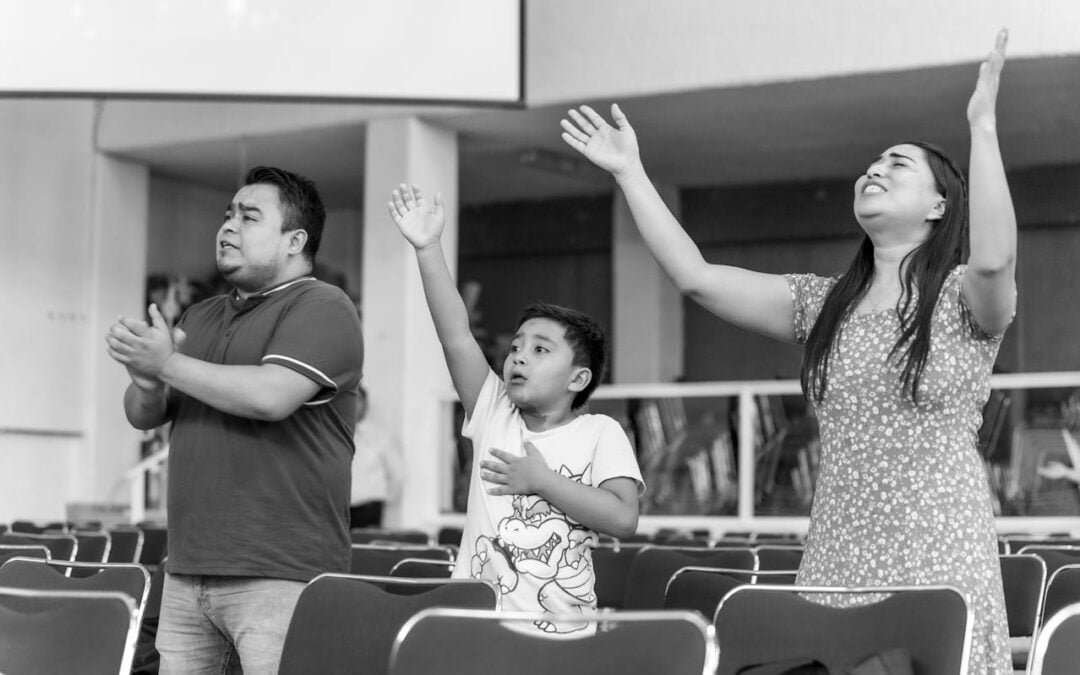
Hey there! If you’re reading this, you’re probably wondering if praying together can actually make a difference in your relationship. Spoiler: It absolutely can. Let’s break down why praying together as a couple isn’t just a “churchy” thing, but something that can genuinely deepen your connection. We’ll cover everything from picking the right moment to finding prayers that resonate with both of you. So grab a coffee, sit with your partner (or shoot them a link!), and let’s talk about inviting God into your relationship, as you pray —together.
Why Praying Together Builds an Unbreakable Bond
Praying as a couple? It’s basically relationship glue. When you pray together, you’re not just ticking off a “spiritual” checkbox. You’re letting each other in on your deepest hopes, fears, and dreams, which opens the door to some seriously amazing conversations. Suddenly, what used to be “small talk” or day-to-day chatter turns into heartfelt moments where you both feel heard and valued.
Here’s what prayer can do for your relationship:
Strengthen Communication: Sharing prayers is like opening up a direct line to each other’s hearts.
Create Shared Values: When you’re on the same spiritual page, you’re building a foundation that keeps you grounded through all of life’s ups and downs.
Offer Support and Security: Knowing you’ve got someone praying for you (and with you) creates a beautiful sense of safety and trust.
Find Your Vibe: Choosing the Best Time and Place for Prayer
Alright, so you’ve decided to try praying together. Now let’s talk logistics. Finding the right time and place can make a huge difference! Here’s a quick checklist to help make your prayer time something you actually look forward to:
Pick a Routine: Try setting aside a few specific times each week (or daily, if that works) for prayer. This could be right before bed or in the morning with coffee.
Create a Chill Environment: A cozy spot in your home, a quiet park, or even a corner by the window can become “your spot.” Add a Bible or a little art that feels meaningful.
Eliminate Distractions: This one’s key—put your phones on silent, and let roommates or family know not to disturb. It’s your sacred time together!
Types of Prayers to Bring You Closer
Not all prayers are the same, and that’s actually awesome. Different kinds of prayer let you connect in different ways. Here’s a mini-guide to some prayers that’ll help you build a strong, spiritual bond:
Gratitude Prayers: Taking a few moments to thank God for each other and the blessings in your lives can shift your focus from any frustrations to the good things you share. (Pro tip: this one works wonders on bad days.)
Intercessory Prayers: Here’s where you pray for each other’s needs, big or small. Maybe one of you has a job interview or a big exam—praying for each other builds that emotional and spiritual support.
Personal Growth Prayers: These are about you as individuals, not just as a couple. Each of you shares a bit about your personal growth goals and then prays for each other to succeed. It’s like being your partner’s biggest spiritual cheerleader!
Try This: Create a Couple’s Prayer List
A joint prayer list? Yes, it’s as simple as it sounds. Take a few minutes each week to jot down the things you’re praying for, both individually and as a couple. You might be surprised at how it encourages open conversations.
Set a Time for It: Maybe once a week on a chill Friday night or Sunday afternoon, list what you’re each praying for.
Update Regularly: Make a point of checking in on those items. Not only does this keep things relevant, but it also gives you a chance to celebrate when prayers are answered.
Incorporate into Daily Prayers: If it’s a regular list, bring it into your daily or weekly prayer sessions, even if just for a few minutes.
Mix It Up: Adding Scripture to Your Prayers
Scripture isn’t just for Sunday mornings; it can add depth and inspiration to your prayer time together. Here’s how to make it feel natural and meaningful:
Choose a Theme: Pick scriptures that reflect what’s happening in your life. If you’re focused on patience, for example, try passages that speak to that (like 1 Corinthians 13:4-7 on love).
Take Turns Reading: Let each person read a passage, then share what it means to you. This can be especially powerful if you’re navigating something tough and need perspective.
Reflect and Discuss: Don’t rush through this part. Talking about how a passage relates to your life as a couple can help you grow individually and together.
Retreats or Time Away: Getting Serious About Spiritual Recharge
Life can get hectic, and sometimes you just need a break. A couple’s prayer retreat (or even a mini staycation) can be a game-changer for your relationship.
Look for Prayer Retreats: These retreats often include guided devotionals and quiet time, allowing you to focus on your relationship with each other and with God.
DIY Your Own Getaway: Can’t make it to a formal retreat? Create your own! Grab an Airbnb in a quiet place or just turn your phones off for a weekend at home, devoting that time to reconnect.
Real Talk: Overcoming Common Challenges in Couple’s Prayer
Praying together isn’t always easy. Different schedules, comfort levels, and prayer styles can make it tricky, but these are all workable challenges.
Time Crunch: If finding time is the problem, try starting small. Even five minutes a day can build a habit without feeling overwhelmed.
Different Prayer Styles: If one of you loves freestyle prayers and the other prefers something structured, find a mix that works. Trade off each time so both styles are respected!
Emotional Vulnerability: Prayer can feel deeply personal, and it’s natural to feel awkward at first. Build trust by starting with gratitude prayers, and work up to more vulnerable topics.
Encouraging Spiritual Growth Together (and Separately)
Just because you’re praying as a couple doesn’t mean you stop growing individually. In fact, sharing personal spiritual growth is a huge part of making a relationship strong.
Reflect and Share: Spend time talking about how each of you is growing spiritually. Maybe one of you is reading a new devotional or working on a character trait.
Support Each Other’s Growth: Pray specifically for each other’s goals and challenges. Knowing your partner supports you on your personal journey can be incredibly encouraging.
Celebrate Progress (Because Why Not?)
Celebrate the milestones in your prayer life together! Whether it’s the anniversary of when you started praying together or just a tough time you got through, take moments to reflect and be grateful.
Prayer Journals: Start a journal where you both write down answered prayers and spiritual milestones. It’s so rewarding to look back and see all that’s happened.
Make It a Tradition: Set a monthly or yearly date to reflect on how far you’ve come. Maybe make it a “date night” tradition where you look back at the big moments in your spiritual journey as a couple.
Praying together doesn’t have to be complicated or formal. Think of it as creating intentional moments to talk, reflect, and grow together. It’s not about getting it “right”; it’s about showing up for each other and for God, inviting Him to walk with you through everything life throws your way. So give it a try—who knows, it might just become one of your favorite parts of your relationship!
Hey there! Marriage is an incredible journey filled with love, laughter, challenges, and everything in between. But let’s be real for a second—sometimes, the ride gets a little bumpy. That’s where prayers come in. For centuries, prayer has been a go-to for couples looking to connect on a deeper level, find guidance, and navigate life’s ups and downs together. Whether you’re newlyweds or celebrating your 10th anniversary, prayer can strengthen not just your relationship with each other, but also your connection with God. Ready to dive in?
Why Pray Together?
You might be thinking, “We already do a lot together. Do we need to add prayer to the list?” Short answer: Yes! Think of prayer as an open line of communication, not just between you and God, but also between you and your spouse. Here’s why:
1. It Boosts Communication: When you pray together, you naturally start opening up about what’s on your mind and in your heart. It’s not just about sharing your spiritual concerns but also what’s going on in your daily life. You get a chance to be vulnerable with each other, which builds trust and understanding.
2. It Creates Unity: Marriage is a partnership, right? Praying together helps remind you both that you’re on the same team, working towards shared goals. Whether you’re praying for guidance on big decisions or just thanking God for your day, it reinforces the idea that you’re tackling life together.
3. It Strengthens Emotional Intimacy: By praying for one another, you’re actively rooting for your spouse’s growth, happiness, and well-being. That’s a love language on a whole new level!
Real Talk: The Spiritual Side of Marriage
Here’s the thing—marriage isn’t just about two people deciding to live under one roof. There’s a spiritual connection at play. When you pray together, you’re not only growing closer as a couple but also inviting God to be at the center of your relationship.
Think of it like this: prayer is the glue that holds everything together, especially when life feels like it’s pulling you in different directions. That shared spiritual practice helps you focus on what truly matters—love, faith, and your commitment to each other.
How to Start Praying as a Couple
Okay, so you’re sold on the idea of praying together. Now, how do you actually *start*? Here are some easy tips:
– Set a Time: Consistency is key. Find a time that works for both of you—whether it’s first thing in the morning, at dinner, or right before bed.
– Keep It Simple: You don’t need fancy words. Just be real. Thank God for your spouse, ask for help with what’s weighing on your heart, or pray for guidance with something you’re struggling with.
– Mix It Up: Try different styles of prayer—silent reflection, out-loud prayers, or even writing down your prayers. You’ll figure out what feels most natural for you both.
Prayer as a Secret Weapon for Conflict Resolution
Let’s be honest—every marriage has conflict. But prayer can help turn those heated moments into opportunities for growth. Here’s how:
– Empathy Builder: When you pray for each other during arguments, it’s hard to stay mad. Prayer reminds you to see things from your spouse’s perspective and helps you come back to the conversation with a more compassionate heart.
– Focus on Forgiveness: Holding grudges? Yeah, we’ve all been there. But prayer encourages you to let go of resentment and focus on moving forward. It’s like hitting a reset button on your relationship when things get tense.
Pro tip: When you’re in the middle of a disagreement, take a break to pray. It gives both of you a chance to cool off and refocus on what’s important—your marriage.
Building a Stronger Commitment Through Prayer
Marriage is a lifelong commitment, and like any good thing, it requires effort. Prayer can be that daily reminder of the promises you made to each other. When you pray together, you’re renewing your dedication to your spouse, your relationship, and your faith.
Plus, prayer is like a check-in. It’s a time when you can reflect on how things are going, celebrate the wins, and ask for help with the challenges. It’s also a way to support each other’s personal growth and spiritual journeys, which only strengthens your bond.
But What If One of Us Isn’t Into Prayer?
Get it—sometimes, couples aren’t on the same page spiritually. Maybe one of you is super into prayer and the other isn’t sure how they feel about it yet. That’s okay!
Start by having an honest conversation. Share why prayer is important to you, and listen to where your partner is coming from. You can start small—maybe pray individually at first, then slowly introduce praying together. The key is to respect each other’s journey while finding a rhythm that works for both of you.
Ready to Take the Leap?
If you’re thinking about adding prayer to your marriage, start small. Set aside just a few minutes a day, and watch how it brings you closer—not only to God but to each other. Sure, it might feel awkward at first, but like anything, it gets easier with practice.
At the end of the day, prayer is about building a foundation of love, trust, and faith that will carry you through the highs and lows of life. Give it a try, and see how it transforms your relationship!
Integrating prayer into a relationship can significantly strengthen the bond between partners, both emotionally and spiritually. Making prayer a consistent part of your daily life together can create a shared experience that deepens your connection, fosters unity, and nurtures a sense of mutual support and understanding. Here’s how you can start integrating prayer into your relationship effectively:
1. Set Aside Specific Times for Prayer
One of the most effective ways to integrate prayer into your relationship is to set aside specific times each day for you and your partner to pray together. This practice creates a rhythm in your daily life that centers on spiritual connection. Whether it’s in the morning, before meals, or at night before going to bed, having a dedicated time for prayer helps establish consistency, turning prayer into a habitual practice rather than an occasional activity.
For instance, starting your day with prayer can set a positive tone for the hours ahead. By asking for guidance, strength, and wisdom, you and your partner can feel more equipped to face the day’s challenges together. Conversely, ending the day with prayer provides an opportunity to reflect on your day, express gratitude for your blessings, and seek peace before sleep. This routine not only fosters a spiritual connection but also strengthens your emotional bond as you share your hopes, concerns, and gratitude with each other and with God.
Consistency in prayer reinforces the idea that you are a team, working together not only in the practical aspects of life but also in your spiritual journey. Over time, this practice can help you develop a deeper understanding of each other’s spiritual needs and perspectives, which is essential for a strong, healthy relationship.
2. Use Prayer Journals
Another practical approach to integrating prayer into your relationship is by using prayer journals. A prayer journal is a tool where you can write down your prayers, reflections, and thoughts. Each partner can maintain their own journal, or you can keep a shared one. Writing in a prayer journal allows you to track your spiritual journey together, observe how your prayers are answered, and see how you both grow over time.
Prayer journals can be particularly beneficial for understanding each other’s spiritual needs and desires. By sharing your entries, you can gain insight into what is on your partner’s heart and mind, which can lead to more meaningful conversations about your faith and your relationship. For instance, if one of you is struggling with a specific issue, the other can offer targeted support and prayer, knowing exactly what is needed. This mutual support builds trust and reinforces the idea that you are not just in this relationship together, but you are also on a shared spiritual journey.
Moreover, revisiting past entries can be a powerful reminder of how far you’ve come as a couple. You can see the prayers that have been answered, the challenges you’ve overcome, and the ways in which your faith has deepened. This retrospective can serve as an encouragement during difficult times, reminding you of God’s faithfulness and the strength of your relationship.
3. Create a Prayer Routine that Fits Both Schedules
Finding time to pray together can be challenging, especially if you have busy schedules or different routines. However, it’s crucial to create a prayer routine that fits both of your lives. The routine should be flexible yet consistent enough to become a natural part of your day.
Your prayer routine could include various types of prayers, such as prayers of gratitude, where you focus on thanking God for the blessings in your relationship, or intercessory prayers, where you pray for each other’s needs and concerns. The key is to find a balance that works for both of you.
For example, if mornings are too hectic, consider praying together at night when you both can relax and reflect on the day. Alternatively, if your schedules don’t always align, you could agree to pray at the same time, even if you’re in different locations. This shared intention can help you feel connected, even when you’re physically apart.
Incorporating prayer into your routine doesn’t have to be complicated or time-consuming. It could be as simple as praying together for a few minutes before you start your day or taking turns praying for each other’s needs. The important thing is that you’re making time for prayer, no matter how busy your lives might be. Over time, this routine will become a cherished part of your day, providing a consistent opportunity to connect with each other and with God.
4. Incorporate Spontaneous Prayers
While having a prayer routine is important, it’s also valuable to incorporate spontaneous prayers into your day. These are the prayers that come up naturally as you go about your daily activities. Perhaps you feel the need to pray for guidance before making a big decision, or maybe you want to thank God for something good that just happened.
Spontaneous prayers can be a powerful way to keep God at the center of your relationship throughout the day. They remind you that prayer isn’t just something you do at a set time—it can be an ongoing conversation with God. By praying together in the moment, you keep your spiritual connection alive and active.
For example, you might pray together before leaving the house for the day, asking for protection and guidance. Or, if one of you receives good news, you can immediately stop and thank God together. These moments of prayer don’t have to be long or formal—what matters is the intention behind them. Spontaneous prayers help you stay connected to each other and to God, reinforcing the idea that your relationship is not just about the two of you, but also about your shared journey of faith.
5. Seek Guidance from Mentors
In addition to personal practices, seeking guidance from mentors can be incredibly valuable in integrating prayer into your relationship. A mentor is someone who can provide advice, support, and guidance as you navigate your spiritual journey together. They can help you overcome challenges, offer encouragement, and hold you accountable to your prayer commitments.
For example, if you’re struggling with finding time to pray together, a mentor might suggest practical solutions, such as setting a specific time each day for prayer or finding creative ways to incorporate prayer into your daily activities. They can also share their own experiences and insights, which can provide you with new perspectives and ideas.
Having a mentor to turn to can make a big difference in your spiritual life. They can offer a listening ear, provide wisdom and guidance, and pray with you and for you. A mentor can also help you stay focused on your spiritual goals, reminding you of the importance of prayer and encouraging you to stay committed to your practice.
Mentors can be found within your faith community, such as a pastor, elder, or another experienced couple who has walked a similar path. Building a relationship with a mentor can provide you with the support and encouragement you need to keep prayer at the center of your relationship.
6. Engage with Your Church
Being part of a church can greatly enhance your prayer life as a couple. Engaging with your church offers support, encouragement, and accountability, which are all important for maintaining a regular prayer practice. When you’re part of a church, you have people who can encourage you to keep praying, even when it’s hard. Churches also provide opportunities for spiritual growth. For example, you could join a prayer group or Bible study together. These groups offer a chance to pray with others and to learn more about your faith. They can also provide a sense of belonging and connection, which can strengthen your relationship.
Attending services together is another way to engage with your church. Regular attendance can help you grow in your faith and deepen your connection with each other. It’s also a way to show your commitment to your spiritual journey as a couple.
Your church can also provide opportunities for service, such as volunteering together. Serving others as a couple can be a powerful way to live out your faith and integrate prayer into your relationship. Whether it’s helping at a local shelter, participating in a mission trip, or simply offering a helping hand to someone in need, serving together can deepen your connection to each other and to God.
Conclusion: Embracing Prayer as a Pillar of Your Relationship
Incorporating prayer into your relationship can have a profound impact on your emotional and spiritual connection. Prayer provides a way to connect with each other and with God, helping you navigate life’s challenges together. It strengthens your bond, fosters mutual understanding, and deepens your faith.
By setting aside specific times for prayer, using prayer journals, creating a routine that fits both schedules, and incorporating spontaneous prayers, you can make prayer a natural part of your relationship. While there may be challenges along the way, such as differing beliefs or busy schedules, these can be overcome with open communication, intentional scheduling, and a willingness to start small.
Engaging with a church and seeking guidance from spiritual mentors can also provide valuable support and encouragement. These resources can help you stay committed to your prayer practice and continue growing together spiritually.
In the end, prayer is a powerful tool that can enrich your relationship in many ways. It helps you build a strong foundation based on love, patience, and mutual respect. By making prayer a regular part of your life together, you can strengthen your bond and create a relationship that is resilient and full of grace.
Embrace prayer as a pillar of your relationship, and you’ll find that it brings you closer not just to each other, but to God as well. Through prayer, you can cultivate a deeper connection, a stronger partnership, and a relationship that is rooted in faith.
Praying Together: A Pathway to Stronger Love and Resilience
Prayer plays a crucial role in relationships and marriages, serving as more than just a personal or religious act. It helps build emotional and spiritual connections between partners. In a world full of challenges, praying together can provide stability and strengthen the bond between couples.
For many, prayer is a way to communicate and understand each other better. It creates a space where partners can share their deepest concerns, hopes, and gratitude. Praying together encourages openness and vulnerability, which improves communication.
Prayer also helps couples navigate the difficulties that come with relationships. By turning to God, couples find the strength to handle conflicts and stress together. This shared practice fosters unity and reminds partners that they are not alone, helping them face challenges as a team.
Additionally, praying together nurtures empathy and compassion. It encourages couples to consider each other’s well-being, promoting selflessness and connection—key ingredients for a healthy relationship.
Incorporating prayer into daily life can lead to a stronger, more resilient partnership.
1. Enhancing Emotional Connection and Intimacy
Prayer has the profound ability to deepen emotional connections between partners by fostering an environment of vulnerability and openness. When couples come together in prayer, they share their innermost thoughts, hopes, and fears. This act of spiritual openness goes beyond just words; it builds a bridge between their hearts, allowing them to connect on a deeper level. By engaging in prayer, couples create a sacred space where they can be completely honest with each other, laying bare their emotions and inviting their partner to understand their true selves.
This connection complements and enhances physical and emotional intimacy. While physical closeness and shared experiences are important, the spiritual bond created through prayer adds a unique dimension to the relationship. It brings a sense of completeness that strengthens the overall foundation of the partnership.
A shared spiritual connection, though sometimes overlooked, is an essential element of a strong and healthy relationship. It involves a shared faith and a mutual commitment to grow together, both individually and as a couple. When partners pray together, they align their hearts and minds, seeking guidance from God. This alignment nurtures a strong bond, as both partners are working towards the same spiritual goals. It also solidifies their commitment to each other, as they actively invest in their relationship through this shared practice.
Praying together also provides peace during difficult times. Life inevitably brings challenges, and couples often face situations that test their patience and resolve. In these moments, prayer can serve as a source of comfort and strength. By turning to prayer, couples demonstrate their willingness to seek solutions beyond their own capabilities, acknowledging that they need God’s guidance to navigate the complexities of life. This act of seeking help together fosters a sense of shared responsibility and support, reinforcing the idea that they are a team facing life’s challenges side by side.
Moreover, prayer can act as a soothing balm during moments of tension or conflict. When emotions run high, and misunderstandings arise, taking a moment to pray can help both partners calm their minds and refocus on what truly matters—their love and commitment to each other. This practice can prevent small issues from escalating and helps maintain a peaceful atmosphere in the relationship.
Praying together helps couples build trust, understanding, and a deeper emotional connection. The experience of spiritual vulnerability allows partners to connect in ways that go beyond the physical and emotional, enriching their relationship in a profound and lasting manner. Through prayer, couples can nurture a bond that is resilient, compassionate, and deeply rooted in mutual love and faith.
2. Improving Communication and Conflict Resolution
Prayer plays a significant role in enhancing communication and resolving conflicts within a relationship. One of its most powerful benefits is that it encourages open and honest dialogue between partners. When couples pray together, they create a safe space where both can freely express their thoughts, feelings, and concerns without fear of judgment. This openness is crucial for building trust, which is the foundation of effective communication. As partners learn to articulate their emotions in a supportive environment, misunderstandings are reduced, and mutual respect is strengthened.
Moreover, prayer fosters forgiveness, a vital component in resolving conflicts. In any relationship, disagreements and tensions are inevitable. It’s easy for anger and resentment to build up during such times, but prayer provides a way to release these negative emotions. By turning to prayer, couples invite a higher perspective into their conflicts, which helps them to let go of grudges and approach each other with a forgiving heart. This practice not only helps to resolve the immediate issue but also deepens the emotional connection between partners, making the relationship more resilient to future challenges.
Additionally, praying together cultivates patience, a quality often needed during conflicts. In the heat of an argument, it’s common for emotions to take over, leading to hasty words and actions. Prayer, however, encourages couples to slow down, reflect, and seek guidance before responding. This pause allows both partners to cool down and consider the situation from a more balanced perspective. As a result, they are more likely to approach the conflict with calmness and a willingness to understand each other’s viewpoints, which greatly aids in finding a peaceful resolution.
Incorporating prayer into conflict resolution strategies can be done in several practical ways. For example, couples can establish a daily routine where they set aside time to pray together, specifically focusing on areas where they need guidance or strength. This daily practice can help to address potential conflicts by fostering a sense of unity and understanding. Additionally, praying individually for each other is another powerful method. When partners take time to pray for each other’s well-being and wisdom, it enhances their empathy and patience, enabling them to handle disagreements more constructively.
Another effective approach is using prayer as a tool to pause and reconnect during heated moments. If a disagreement becomes particularly intense, taking a moment to pray can provide the necessary break for both partners to regain composure and reframe the issue in a more positive light. This shared act of seeking divine guidance can transform the conflict into an opportunity for growth and deeper understanding.
By regularly seeking guidance through prayer, couples can approach disputes with more understanding and compassion. This practice not only improves their communication but also equips them with the emotional tools needed to navigate conflicts in a way that strengthens their relationship. As a result, prayer becomes a powerful ally in cultivating a harmonious and enduring partnership.
3. Fostering a Stronger Foundation of Trust and Faith
Trust and faith are essential pillars of any lasting relationship. These qualities not only sustain love but also create a sense of security and mutual respect between partners. Incorporating prayer into daily routines is a powerful way to build and reinforce this foundation, as it unites couples in a shared spiritual practice. By coming together in prayer, couples establish common ground rooted in shared beliefs and values, which transcends the routine aspects of daily life. This spiritual alignment provides a sense of support and understanding that deepens the connection between partners.
Praying together has a unique ability to strengthen trust. When couples share their personal concerns, hopes, and dreams during prayer, they open themselves up in a way that fosters deep emotional intimacy. This vulnerability is an act of trust in itself, as it requires partners to be fully honest and transparent with each other. Through this process, mutual respect is cultivated, and the emotional bond between them grows stronger. These shared prayer sessions allow couples to synchronize their dreams, fears, and spiritual aspirations, reaffirming their commitment not only to each other but also to their shared spiritual journey. This ongoing practice of mutual openness and support is what solidifies the trust that is crucial for a thriving relationship.
Faith plays an equally vital role in helping couples navigate the inevitable challenges that life presents. Every relationship encounters difficulties, whether they be personal struggles, external pressures, or unexpected life events. In these moments, turning to God through prayer can provide comfort, guidance, and a sense of direction. This reliance on faith helps couples maintain a positive outlook, even in the face of adversity. It encourages them to view challenges as opportunities for growth, both individually and as a couple. This faith-based resilience reinforces their commitment to one another and strengthens the unity within the relationship. Knowing that they can lean on their shared faith during tough times brings a profound sense of security and peace, which is invaluable for long-term partnerships.
Moreover, the act of praying together regularly instills a sense of purpose and shared destiny in the relationship. Couples who make prayer a regular part of their lives often find that their relationship becomes more centered around their shared values and goals. This focus helps them to prioritize what truly matters, reducing the impact of minor disagreements and distractions. By continually aligning their hearts and minds through prayer, couples are able to maintain a strong connection that is resilient to the ups and downs of life.
In summary, integrating prayer into a relationship serves as a powerful means of fostering trust and faith. It encourages openness, builds resilience, and reinforces commitment, all of which enhance the depth and quality of the partnership. Couples who pray together not only strengthen their bond but also equip themselves with the spiritual tools needed to face life’s challenges with confidence and grace. This shared spiritual practice ultimately leads to a more fulfilling, harmonious, and enduring relationship.