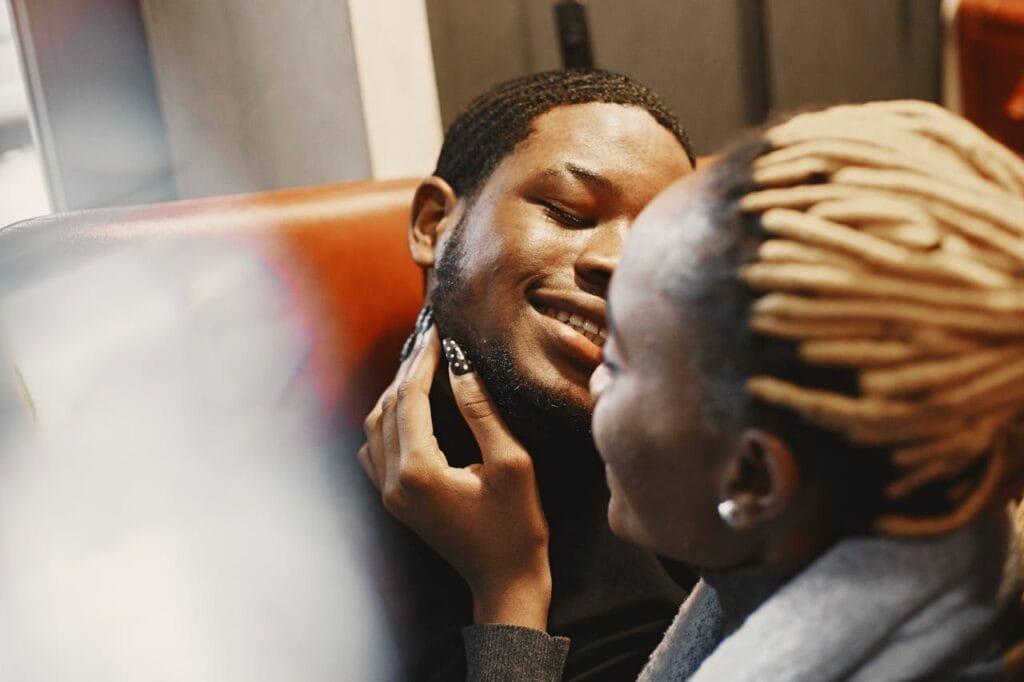
The world is filled with shifting values and fleeting connections, however, building a Christ-centered relationship stands as a testament to lasting love that is rooted in faith. It’s more than just being together; it’s about aligning your hearts, values, and actions with God’s purpose for your union.
A Christ-centered relationship thrives when both individuals are committed to walking with God, seeking His guidance, and allowing His word to shape their story.
This type of relationship does not rely on worldly measures of success; instead, it finds strength, purpose, and direction in Jesus Christ. The principles of a Christ-centered relationship can guide you toward a fulfilling and God-honoring partnership.
Here are seven key principles of building a Christ-centered relationship:
1. Make Christ the Foundation: A Christ-centered relationship begins with a personal relationship with Jesus. Both individuals need to prioritize their faith journey independently before they can align spiritually. When Christ is the foundation, your relationship is built on unshakable truth and unworldly expectations. (Matthew 6:33)
2. Prioritize Praying Together: Praying together as a couple invites God into your relationship. It builds intimacy, creates unity, and allows you to seek God’s guidance for your future. Prayer is also a powerful tool to fight against misunderstandings and spiritual attacks that might arise.
3. Practice Selfless Love: Jesus modeled sacrificial love, and we are called to do the same. This means putting your partner’s needs above your own, serving one another with humility, and seeking to outdo each other in love. (1 Corinthians 13:4-7)
4. Study the Word Together: Make Bible study a regular part of your relationship. This strengthens your faith and helps you navigate challenges. The Word of God offers wisdom on how to treat each other, resolve conflicts, and make decisions.
5. Establish Healthy Boundaries: A relationship centered on Christ respects purity and holiness. So, set clear boundaries to protect your hearts and honor God. Have physical, emotional, and spiritual boundaries to prevent situations that could lead to temptation.
6. Take Godly Counsel: As long as you’re in the right spiritual community i.e. Church, you will find trusted spiritual leaders and married couples that can provide guidance, encouragement, and accountability.
7. Purpose Before Propose: The description of your life partner’s revealed in the discovery of YOU and what God will have you DO. Have you discovered yourself? Have you started fulfilling your purpose? Can you both serve His kingdom together? Allow your love story to testify to God’s faithfulness and grace. (Deuteronomy 32:30)
Thinking about marriage can feel a little overwhelming, right? On the one hand, you’re excited about the idea of finding your person, someone to binge-watch sermons with and share late-night heart-to-hearts about God’s purpose. On the other, you’re wondering: Am I really ready for this whole ‘till death do us part’ thing?
Spoiler alert: Marriage prep is less about color schemes and cake tastings and way more about becoming the person God’s calling you to be. So, let’s talk about what it really means to prepare for marriage as a Christian single.
Step 1: Get Your Spiritual House in Order
If you want a Christ-centered marriage, it starts with you and God, period. Marriage doesn’t magically fix your faith journey—it amplifies where you already are.
Start by asking yourself: How’s my relationship with Jesus?
Are you carving out time for prayer and Bible study?
Do you feel grounded in your identity as a child of God?
Are you actively serving in your church or community?
Proverbs 24:3 reminds us, “By wisdom a house is built, and through understanding it is established.” Building your spiritual house now creates a solid foundation for the future. Because when the honeymoon glow fades and real life hits (it will), that foundation will be what sustains you.
Step 2: Understand God’s Purpose for Marriage
Marriage isn’t just about being in love—it’s about glorifying God together. Ephesians 5:31-32 talks about how marriage reflects the relationship between Christ and the Church. That’s a pretty big deal!
So, before you walk down the aisle, take time to wrestle with questions like:
Why do I want to get married?
How can I honor God as a spouse?
What does “sacrificial love” really look like in day-to-day life?
Having clarity about God’s purpose for marriage will help you navigate everything from choosing a partner to tackling those inevitable “what’s for dinner” debates.
Step 3: Work on You
Let’s keep it real: No one is bringing 100% perfection into marriage. We’re all a little messy (and that’s okay). But this is the perfect time to start working on your emotional health and self-awareness.
Learn to communicate: Can you express your feelings without bottling them up or exploding like a shaken soda can?
Handle conflict gracefully: Marriage isn’t about if conflicts happen; it’s about how you deal with them.
Cultivate independence: Being financially responsible and emotionally stable now sets the stage for a healthier partnership later.
And hey, don’t shy away from counseling. Whether it’s premarital counseling or just a “let’s talk through my baggage” session, it’s wisdom, not weakness.
Step 4: Build Healthy Friendships and Mentorships
If marriage is the destination, your community is the road map. Surrounding yourself with godly friends and mentors can make a world of difference.
Here’s why:
Friends keep you accountable and grounded.
Mentors share wisdom from their own marriage journey.
Your faith community helps you grow spiritually and emotionally.
Plus, being involved in community activities is a great way to meet potential partners. Just saying.
Step 5: Practice Healthy Dating Habits
If you’re currently dating—or planning to—it’s important to start practicing the kind of habits that will carry into marriage.
Communication is key: Talk about faith, goals, and those non-negotiables early.
Mutual respect matters: Learn to honor each other’s boundaries and celebrate each other’s strengths.
Date with purpose: If you’re serious about marriage, don’t just date to pass the time. Keep the end goal in mind.
And remember, red flags don’t turn green with time. If something feels off, take it to God in prayer and seek wise counsel.
Step 6: Pray (A Lot)
This might sound like a given, but seriously—pray about everything. Ask God to prepare your heart, guide your steps, and reveal His will for your life.
Philippians 4:6 reminds us, “Do not be anxious about anything, but in every situation, by prayer and petition, with thanksgiving, present your requests to God.” Translation? God’s got this.
Quick Tips for Christian Singles Preparing for Marriage
Be patient: God’s timing > your timeline.
Stay rooted in Scripture: Let His Word guide your decisions.
Enjoy the journey: Singleness isn’t a waiting room—it’s a season for growth, adventure, and discovery.
The Bottom Line
Marriage is an incredible gift, but it’s also a big responsibility. Preparing for it means focusing on spiritual growth, emotional health, and healthy relationships now, so you can step into this new chapter with confidence and purpose.
So, whether you’re actively dating, single as a Pringle, or somewhere in between, remember this: God is shaping your story in ways you can’t even imagine. Trust Him with the process—and enjoy the ride.
Who knows? Your Christ-centered love story might just be closer than you think.
Relationships are tough. We all want connections that feel deep, steady, and lasting. Yet, with all the dating advice and “relationship hacks” out there, where’s the solid ground? It might surprise you, but these ancient words hold timeless insights into building a love that lasts. From dealing with conflict to deepening trust, scripture isn’t just “old wisdom” – it’s guidance we can use today.
Ready to dig in? Let’s unpack how these teachings can transform our relationships from surface-level to soul-deep.
How Love Is Defined in Scripture
Ever heard of “agape love”? It’s a Greek term that means unconditional, selfless love – a love that gives without expecting anything back. It’s the kind of love Jesus showed, and scripture invites us to reflect it in our relationships.
Example of Agape Love: Think about doing something for your partner that doesn’t benefit you at all – maybe listening to them vent after a long day, even when you’re tired. That’s the spirit of agape love, and it’s essential to building a relationship that lasts.
In scripture, love isn’t just an emotion; it’s a commitment to act in kindness, patience, and forgiveness. This kind of love challenges us but ultimately grows us.
Communicating with Love and Respect
Talking is easy. Real communication – the kind where you both feel seen and heard – that’s the hard part. Scripture emphasizes not just what we say but how we say it. For example, Proverbs 18:13 reminds us not to answer before we listen. Basically, hear your partner out before jumping in with advice or judgment.
Active Listening Tip: When your partner is sharing something important, resist the urge to jump in with solutions. Instead, try phrases like, “I hear you,” or “That sounds tough.” It shows that you care and makes them feel valued.
The Bible also encourages honesty. Ephesians 4:25, for instance, says to “put off falsehood and speak truthfully.” No hiding behind white lies or half-truths. In relationships, trust grows when you’re willing to be real, even about the hard stuff.
Conflict: Embracing Forgiveness and Finding Peace
Conflict? It’s inevitable. Even the healthiest relationships will hit rough patches. But here’s where scripture comes in clutch. Matthew 18:15- 17 teaches us to address issues privately first – so we should not bring friends or family into things right away. This approach helps keep conflicts personal and focused on finding a solution.
Then there’s the call to forgive. Ephesians 4:32 tells us to be “kind and compassionate…forgiving each other.” Forgiveness doesn’t mean you’re okay with what happened; it means you’re choosing to let go of the resentment. In the long run, forgiveness can bring peace, healing, and deeper trust.
Forgiveness in Action: When you’re hurt by something your partner did, try to express your feelings calmly and avoid pointing fingers. Then, if they apologize, let go of the resentment and move forward. Remember, nobody’s perfect, and we all need a bit of grace.
Trust, Faith, and Finding Strength in Shared Beliefs
If faith is important to you, it can be a powerful anchor in your relationship. Couples who share a spiritual foundation often find strength during tough times by turning to their faith. Trust grows not just from who your partner is, but from believing that your relationship has a purpose beyond yourselves.
Ways to Strengthen Trust: Try praying together, talking openly about your spiritual beliefs, or even attending church or study groups together. These activities deepen your connection, keep your priorities aligned, and create a shared foundation of values and purpose.
Faith also encourages personal growth. By focusing on spiritual practices together, you can each become a better partner and person, building a relationship that’s resilient and purpose-driven.
Making Sacrifices: The Real “Secret” to Lasting Love
Sacrifice sounds heavy, but it’s actually woven into healthy relationships. It’s about putting each other first in practical ways – big and small. It’s skipping that social event because your partner’s had a rough day, or compromising on a big decision for the sake of your relationship.
The Bible gives us countless examples of love that sacrifices. By practicing selflessness, we can move beyond “What’s in it for me?” to “How can I serve and support this person I love?”
Daily Acts of Sacrifice: Small, selfless acts go a long way. Doing a chore they hate, listening to them when you’re tired, or compromising on what to watch for movie night – these little things build a strong foundation of trust and love over time.
Prayer and Scripture: Growing Together Spiritually
One of the most powerful ways to deepen your relationship is through shared spiritual practices. Taking time to pray together or study scripture isn’t just about faith – it’s about strengthening your bond and creating space for meaningful conversations.
Prayer Routine: Find a time each week to sit together, pray, or read scripture. Maybe set an intention for the week, like patience or gratitude, and use that time to reflect on how it’s impacting your relationship. You’ll be surprised at how it can bring you closer!
If you’re looking for even more community, consider joining a couples’ study group [strictly for the married]. Learning with others can offer fresh insights, provide accountability, and connect you with other couples who share similar values.
Community: Surrounding Your Relationship with Support
Finally, let’s talk about community. While you and your partner form the heart of your relationship, having a supportive community around you is crucial. Ecclesiastes 4:9 says, “Two are better than one…if either of them falls, the other can help them up.” This reminds us that we don’t have to do this alone.
Find friends, mentors, or faith communities that respect and support your values. They’ll cheer you on during the highs and help you through the lows, making your relationship stronger.
Find Your People: Look for friends and couples who encourage you to be the best version of yourselves. When challenges arise, having a solid support network will remind you of your shared values and goals.
Conclusion: Walking Together in Faith and Love
Building a strong relationship takes work, but Scripture offers us a roadmap filled with wisdom, love, and compassion. By integrating principles like active listening, forgiveness, trust, and sacrifice, you’re creating a relationship that goes beyond “just getting along.” Instead, you’re building something rooted in respect, faith, and purpose.
So here’s to love that grows, faith that strengthens, and a life together filled with the kind of partnership that endures – come what may. Remember, the journey isn’t perfect, but with guidance from scripture, you’ll have the tools to navigate it together.
So… Can Christians date non-Christians? The truth is that dating in today’s world can be tricky, especially when it comes to finding someone who vibes with your faith. If you’re a Christian, you might have asked yourself, “Is it okay to date someone who doesn’t share my beliefs?” That’s a legit question, and you’re not alone in wondering.
As our world becomes more diverse, interfaith relationships are becoming more common. Maybe you’re already crushing on someone who isn’t a Christian. And hey, it makes sense—love doesn’t exactly come with a checklist. But when your faith is such a big part of who you are, it can make things… complicated. So, how do you handle it? Let’s dive in.
The Bible and Relationships: What Does “Equally Yoked” Mean?
Okay, first things first: You’ve probably heard about the “equally yoked” thing. It’s based on 2 Corinthians 6:14, which says, “Do not be unequally yoked with unbelievers.” Now, before you imagine yourself literally tied to someone, let’s break it down.
Being “equally yoked” simply means being on the same page spiritually. Imagine trying to build a life with someone who doesn’t understand why faith is so central to your life. That’s where the tension can start. Christian relationships are often built on shared values like love, commitment, and sacrifice, as seen in passages like Ephesians 5:22-33.
Basically, the Bible encourages Christians to be with someone who shares their faith because it sets the stage for unity—especially in the big stuff like marriage, kids, and how you live your everyday life.
So, What’s the Big Deal About Dating a Non-Christian?
Let’s talk about why dating someone who doesn’t share your faith might be challenging. Here are some real-life pain points you might run into:
Different Life Goals: You might be all about serving in your church or making decisions through prayer, while your partner may not get it. This could lead to some awkward moments (or major arguments) down the road.
Raising Kids: If you’re thinking long-term, what happens when you have kids? How will you handle Sunday mornings—church or sleep-ins? And what values do you want your kids to grow up with?
Influence on Your Faith: No matter how strong your faith is, your partner’s beliefs (or lack thereof) might impact your spiritual journey. Some Christians worry they’ll drift away from their relationship with God, especially if their partner doesn’t understand why it matters so much to them.
Need Some Guidance? Don’t Go It Alone
If you’re feeling conflicted about dating someone who isn’t Christian, that’s totally normal. Sometimes, you just need someone to talk to—whether it’s a mentor, pastor, or even a good friend who gets it. They can offer advice and help you figure out if this relationship aligns with your faith.
And don’t underestimate the power of prayer. Take some time to ask God for wisdom about your relationship. Reflect on whether this person is helping you grow in your faith or pulling you away from it.
Bottom Line: It’s a Personal Decision
At the end of the day, deciding whether or not to date someone who isn’t Christian is a personal choice. No two relationships are exactly the same, and it really comes down to how your faith fits into your relationship.
Take time to think it through, talk to people you trust, and pray for guidance. The goal is to find a relationship that helps you grow—both as a person and in your walk with Christ.
After all, love is complicated enough. Let’s make sure it’s worth the journey!
Navigating Cultural Differences in Christian Dating
Dating is already complex, and when you throw in cultural differences, things can get even more interesting. For Christian young adults, dating isn’t just about finding someone cute who shares your faith; it’s also about navigating the diverse cultural expressions of that faith. Whether you’re from an African Christian community that places a huge emphasis on family approval or you’re from a more individualistic Western background, understanding how culture shapes Christian dating can make or break a relationship.
So, how do we navigate the space where culture meets faith in dating? Grab a seat (or your phone) and let’s break it down together.
Understanding Cultural Differences in Christianity
First, let’s acknowledge that Christianity is super diverse. There are different denominations—Protestant, Catholic, Evangelical, Orthodox—and all of them have unique ways of expressing their beliefs. And here’s where it gets tricky: those beliefs often get influenced by the culture they exist in.
For example:
In many African Christian circles, family is heavily involved in relationship decisions. If you’re dating, your mom, dad, and probably your great-aunt’s opinion might carry some weight.
On the flip side, in more Western cultures, the focus is usually more on individual choice and personal freedom in relationships.
These cultural contrasts can create tension, especially if one partner is from a family-oriented culture and the other from a more individualistic one. The key? Awareness and sensitivity. If you both approach these differences with an open mind, it can deepen your relationship and help you grow.
Communication: The Real MVP in Christian Dating
If there’s one thing that can smooth over cultural differences, it’s communication. Like, real, honest, open communication.
Let’s say you and your partner come from different cultural backgrounds. Maybe one of you is used to involving family in every step of your relationship, while the other prefers to keep things more private. The trick is talking about it—openly, honestly, and frequently.
Here are some pro tips for solid communication:
Active Listening: Don’t just hear your partner—actually listen. Understand where they’re coming from, even if it feels foreign to you.
Empathy: Try to put yourself in their shoes. It’s not just about agreeing but recognizing their feelings as valid.
Clarity on Expectations: Make sure you’re both clear on how you want to communicate. Different cultures have different ways of expressing emotions—some might be more direct, while others could be more reserved. Talk about it!
It might seem like a lot, but trust me—these conversations can prevent misunderstandings down the road.
Finding Common Ground: Shared Values in Christian Dating
Despite cultural differences, you can almost always find common ground. At the end of the day, as Christians, you’re likely sharing core values—faith, family, morality—that transcend culture.
Faith: Maybe you express your faith differently, but what matters is that you’re both committed to following Jesus. Start there.
Family: Discuss what family means to both of you. What are your traditions? How do you envision your future family? These talks are crucial.
Morality: We all have guiding principles. Talking openly about your beliefs on relationships, purity, and even finances can help avoid conflicts later.
The goal? Find the values that unite you, and let those form the foundation of your relationship.
Family Dynamics: What You Need to Know
Family plays a huge role in dating, especially in Christian contexts. But what happens when your families have different expectations because of cultural backgrounds?
Family-Centered Cultures: In many cultures, dating is almost a family affair. You might need to get parental approval before things get serious, or even follow certain traditions during courtship.
Individualistic Cultures: On the other hand, some families are more hands-off. They might trust you to make your own choices without too much input.
These differences can cause friction if not addressed head-on. The best approach? Talk to your partner about your family’s expectations and how much they’ll be involved in your relationship. Boundaries are your friend here!
Conflict? It Happens, But Here’s How to Handle It
Cultural differences can spark conflict, but that’s normal! The key is how you handle it.
Patience is Key: Don’t rush through disagreements. Give each other time to explain where you’re coming from.
Compromise: Relationships are about meeting in the middle. Maybe your partner wants to follow a tradition you’re not used to—find a way to incorporate it while also honoring your own culture.
Get Help: If the conflict feels too big, it’s okay to seek help. Whether that’s from a trusted friend, a mentor, or even a counselor, having an outside perspective can be a game-changer.
Remember, conflict isn’t a bad thing. It’s how you handle it that matters.
Celebrating Cultural Differences: Strengths, Not Weaknesses
Here’s the cool part: cultural differences can actually make your relationship stronger. How? They give you the chance to learn, grow, and celebrate new perspectives.
Learning Together: Maybe your partner celebrates a holiday differently than you do. Use that as a way to learn about their culture—and maybe even adopt some new traditions together.
Broadening Horizons: Being in a relationship with someone from a different cultural background can help you see the world in a whole new light. You’ll grow in ways you never expected.
Instead of seeing your differences as obstacles, start seeing them as opportunities to build a richer, deeper relationship.
Build Your Support Squad
One thing you should never do alone? Navigate cultural differences in dating. Surround yourself with people who support your relationship—whether that’s family, friends, or your faith community.
Family and Friends: Don’t underestimate the power of having loved ones in your corner. They can offer advice, support, and a fresh perspective.
Faith Community: Your church or small group can be a great source of wisdom and encouragement, especially when it comes to navigating cultural differences.
Bottom line: You’re not in this alone!
Let’s end on a high note—because despite the challenges, couples are out here thriving in their culturally diverse relationships.
Dating someone from a different cultural background might seem intimidating, but it’s also an amazing opportunity for growth. With open communication, shared values, and a little bit of patience, you can build a strong, Christ-centered relationship that honors both your faith and your culture.