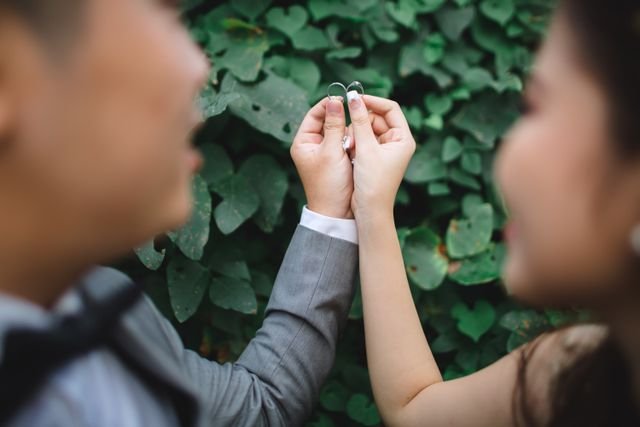
Do You Want a Wedding or a Marriage?

Do You Want a Wedding or a Marriage?

Reading Time: 2 minutes

Many people dream about the wedding day—the dress, the decorations, the photographs, and the celebration. But far fewer people prepare for the marriage that begins when the ceremony ends.

A wedding is an event. A marriage is a lifelong commitment.

It is possible to spend months planning a wedding and very little time preparing for the responsibilities of marriage. Yet the success of a relationship is not determined by the beauty of the ceremony but by the strength of the covenant that follows.

1. Weddings Focus on the Day

A wedding lasts for a few hours. It celebrates love, gathers family and friends, and marks the beginning of a new chapter. While it is beautiful and meaningful, it is only the starting point.

2. Marriage Requires Daily Commitment

Marriage is built through everyday choices—patience during disagreements, kindness during stressful moments, forgiveness when mistakes happen, and consistent effort to nurture the relationship.

3. Weddings Celebrate Love

Marriage tests and strengthens it. Feelings may fluctuate, but commitment sustains the relationship during difficult seasons.

4. Weddings Highlight Appearance

Marriage reveals character. Over time, habits, attitudes, and emotional maturity become more important than appearance or charm.

5. Weddings Are Public

Marriage is deeply personal. What happens in the quiet moments—communication, respect, loyalty, and sacrifice—determines the health of the union.

6. Weddings Create Excitement

Marriage requires responsibility. Financial planning, emotional support, spiritual growth, and shared goals become essential parts of the journey.

For Singles

Do not focus only on the celebration. Prepare your character, emotional maturity, and spiritual life for the covenant that follows.

For Couples

Continue building the marriage long after the wedding day. The ceremony may have started the journey, but the daily choices you make will determine where it leads.

A beautiful wedding can create memories. But a strong marriage creates a lifetime of partnership.

The real question is not how impressive the wedding will be. The real question is whether you are ready for the marriage.

Why Women Overthink in Relationships

Why Women Overthink in Relationships

Reading Time: 2 minutes

Overthinking in relationships is often misunderstood. It is sometimes labeled as insecurity or unnecessary worry, but in many cases it is a response to emotional signals, past experiences, and the desire for relational clarity.

Overthinking is rarely about imagination alone. It is often about interpretation.

1. Desire for Emotional Security

Many women value emotional connection deeply. When communication becomes inconsistent or unclear, the mind begins to search for meaning. Questions arise because the heart is trying to protect itself from uncertainty.

2. Sensitivity to Behavioral Changes

Women often notice subtle shifts in tone, attention, or behavior. When these changes occur without explanation, the mind tries to fill the gaps. Overthinking becomes an attempt to interpret what is happening beneath the surface.

3. Past Relationship Experiences

Previous emotional wounds can influence present thinking patterns. If someone has experienced betrayal, rejection, or dishonesty before, the mind naturally becomes more alert to potential warning signs.

4. Lack of Clear Communication

Silence and ambiguity create space for speculation. When communication is inconsistent, the brain tries to construct explanations. Clarity reduces overthinking; confusion multiplies it.

5. Emotional Investment

The more someone values a relationship, the more attention they give to its stability. Overthinking sometimes reflects care and commitment rather than distrust.

6. Fear of Losing the Relationship

When someone deeply values a connection, the possibility of losing it can create anxiety. Overthinking becomes an attempt to anticipate problems before they happen.

7. Natural Reflective Processing

Many women process emotions internally by thinking, analyzing, and reflecting. This reflective nature can be a strength when balanced, helping relationships grow through understanding and empathy.

8. Inconsistent Signals from a Partner

Mixed signals create mental noise. When words and actions do not align, the mind naturally tries to reconcile the contradiction.

For Men

Consistency and clarity reduce unnecessary anxiety. When communication is steady and intentions are transparent, overthinking decreases significantly.

For Women

Awareness is important. Not every silence signals danger, and not every change means rejection. Learning to balance intuition with calm communication strengthens emotional health.

Overthinking thrives in uncertainty.
Clarity quiets the mind.
Consistency builds security.

Healthy relationships grow where communication replaces assumptions.

Why Some People Shut Down During Conflict

Why Some People Shut Down During Conflict

Reading Time: 2 minutes

Conflict does not only reveal differences; it exposes emotional wiring. When disagreements arise, some people argue intensely, while others go silent. Shutting down during conflict is not always indifference—it is often protection.

Understanding why people withdraw during conflict helps both singles and couples build healthier communication patterns.

1. Fear of Escalation

Some individuals shut down because they fear the conflict will spiral out of control. If they grew up in environments where disagreements became explosive, silence feels safer than engagement. Withdrawal becomes a strategy to prevent chaos.

2. Emotional Overwhelm

Not everyone processes emotions at the same speed. During conflict, some people experience internal flooding—racing thoughts, anxiety, or mental paralysis. Shutting down becomes a coping mechanism when the brain feels overloaded.

3. Fear of Saying the Wrong Thing

Certain individuals fear that speaking in anger will cause irreversible damage. Rather than risk hurtful words, they retreat. While the intention may be to avoid harm, prolonged silence can create deeper distance.

4. Learned Childhood Patterns

Many conflict responses are learned early in life. If someone was ignored, silenced, or punished for expressing feelings, they may associate speaking up with danger. As adults, they carry that conditioning into relationships.

5. Avoidance of Vulnerability

Conflict often exposes insecurity, fear, or unmet needs. For some, it feels easier to disengage than to admit hurt or weakness. Silence becomes emotional armor.

6. Desire to Maintain Peace

Some people value peace so highly that they equate disagreement with relational threat. Instead of engaging constructively, they withdraw to preserve what feels like stability.

7. Lack of Communication Skills

Not everyone has learned how to argue constructively. Without tools for healthy dialogue, shutting down feels like the only option available.

8. Passive Control

In some cases, withdrawal is not fear but control. Silence can be used to punish, manipulate, or force the other person to chase resolution. This form of shutdown damages trust over time.

What Makes Someone “Marriage Material”?

What Makes Someone “Marriage Material”?

Reading Time: 2 minutes

The phrase “marriage material” is often used casually, but it carries profound meaning. Marriage is not sustained by attraction alone; it is sustained by character, discipline, covenant consciousness, and emotional maturity. What makes someone ready for marriage is not charm, beauty, or financial status alone—but stability, integrity, and responsibility.

Marriage does not reward potential. It requires preparation.

1. Emotional Maturity

Marriage material is emotionally regulated. Such a person does not explode under pressure, withdraw during conflict, or manipulate with silence. They can process emotions without weaponizing them. Emotional maturity creates safety, and safety sustains intimacy.

2. Commitment to Truth

Honesty is foundational to covenant. A person who bends truth during courtship will fracture trust in marriage. Marriage material values transparency over image and integrity over convenience.

3. Accountability

Someone ready for marriage can admit wrong without deflecting blame. They are teachable, correctable, and willing to grow. Pride destroys covenant; humility preserves it.

4. Financial Responsibility

Marriage joins futures, not just feelings. A person who manages money with discipline demonstrates foresight and stability. Financial chaos in dating becomes shared stress in marriage.

5. Clear Identity and Purpose

Marriage material knows who they are and where they are going. They do not need marriage to create direction. They bring clarity into the relationship rather than confusion.

6. Strong Boundaries

Healthy boundaries protect covenant. A marriage-ready individual knows how to say no, define limits, and guard emotional and relational spaces. Loose boundaries before marriage become threats afterward.

7. Conflict Competence

Disagreements are inevitable. Marriage material knows how to disagree respectfully, repair quickly, and pursue resolution without contempt. Conflict maturity protects long-term peace.

8. Spiritual Stability

Faith that is consistent—not emotional or seasonal—anchors a marriage during difficulty. Spiritual discipline sustains covenant when feelings fluctuate.

9. Servant Leadership and Partnership

Marriage material understands responsibility. They are willing to serve, sacrifice, and prioritize the health of the union over personal ego.

10. Consistency Over Time

Anyone can perform for a season. Marriage material demonstrates stable patterns over time. Consistency reveals character more than promises.


Marriage material is not perfection. It is preparedness.

Charm may attract. Character sustains.

Before asking if someone is marriage material, ask whether you are.

What Attracts Healthy Partners?

What Attracts Healthy Partners?

Reading Time: 2 minutes

Healthy relationships do not begin with attraction alone; they are sustained by character, clarity, and emotional stability. While chemistry may initiate connection, it is health that determines longevity. The kind of partner you attract is often a reflection of the health you embody.

1. Emotional Stability

Healthy partners are drawn to emotional regulation, not emotional volatility. The ability to process feelings without manipulation, withdrawal, or explosive reactions signals maturity. Stability creates safety, and safety attracts those who desire peace, not chaos.

2. Clear Identity

People with a strong sense of self attract partners who respect boundaries and purpose. When identity is clear, desperation fades. Healthy partners are repelled by neediness but drawn to confidence rooted in self-knowledge.

3. Honesty and Transparency

Truth builds trust. Healthy individuals are attracted to people who speak clearly, live consistently, and do not hide behind half-truths. Transparency reduces anxiety and signals integrity.

4. Secure Boundaries

Boundaries communicate self-respect. Healthy partners are drawn to those who can say no, define limits, and honor emotional, physical, and relational lines. Weak boundaries attract exploitation; strong boundaries attract respect.

5. Accountability

The ability to receive correction without defensiveness signals growth. Healthy partners value humility over perfection. They look for people who can admit wrong, apologize sincerely, and change consistently.

6. Purpose and Direction

Clarity of direction is attractive. Purpose stabilizes relationships by reducing confusion and dependency. Healthy partners are drawn to people who are going somewhere, not drifting emotionally or spiritually.

7. Emotional Availability

Being present, attentive, and responsive creates connection. Healthy partners desire mutual engagement, not emotional absence or inconsistency. Availability builds intimacy.

8. Peace, Not Drama

Health attracts health. Those who value peace are drawn to environments where conflict is handled maturely and tension is resolved respectfully. Drama repels those who desire longevity.

9. Self-Awareness

Understanding your triggers, wounds, and patterns reduces projection. Healthy partners are drawn to people who take responsibility for their inner world instead of blaming others for it.

10. Consistency

Consistency builds trust over time. Healthy partners watch patterns, not promises. Reliability is more attractive than charm.


Healthy partners are not attracted by performance. They are attracted by wholeness.

If you want to attract healthy love, become emotionally, spiritually, and relationally healthy.