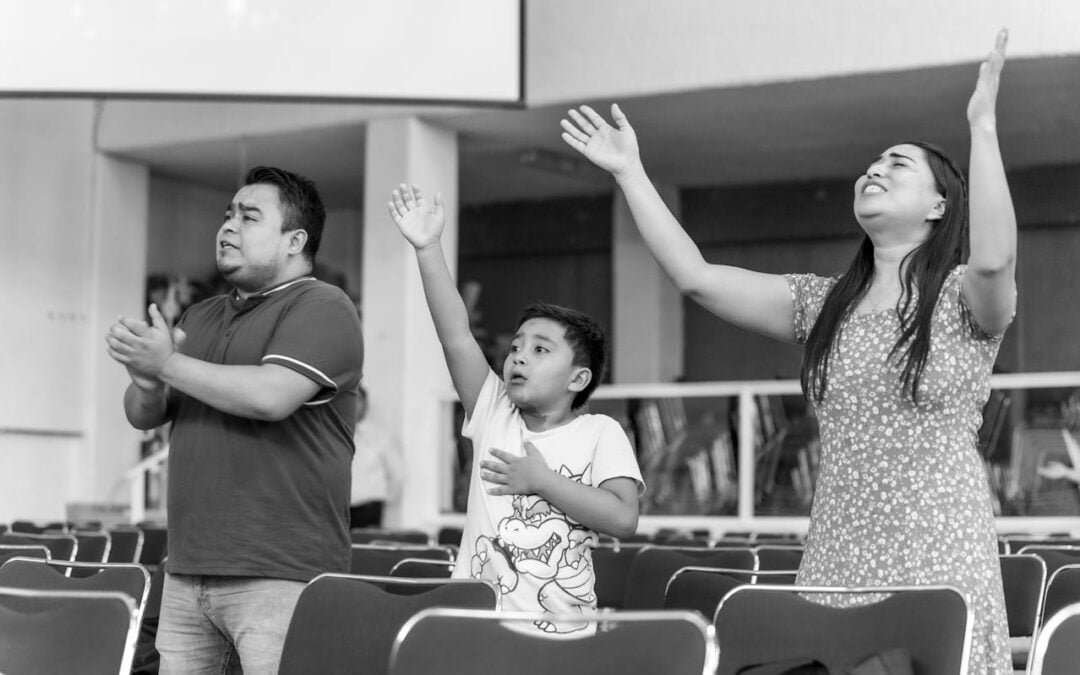
Hey there! Marriage is an incredible journey filled with love, laughter, challenges, and everything in between. But let’s be real for a second—sometimes, the ride gets a little bumpy. That’s where prayers come in. For centuries, prayer has been a go-to for couples looking to connect on a deeper level, find guidance, and navigate life’s ups and downs together. Whether you’re newlyweds or celebrating your 10th anniversary, prayer can strengthen not just your relationship with each other, but also your connection with God. Ready to dive in?
Why Pray Together?
You might be thinking, “We already do a lot together. Do we need to add prayer to the list?” Short answer: Yes! Think of prayer as an open line of communication, not just between you and God, but also between you and your spouse. Here’s why:
1. It Boosts Communication: When you pray together, you naturally start opening up about what’s on your mind and in your heart. It’s not just about sharing your spiritual concerns but also what’s going on in your daily life. You get a chance to be vulnerable with each other, which builds trust and understanding.
2. It Creates Unity: Marriage is a partnership, right? Praying together helps remind you both that you’re on the same team, working towards shared goals. Whether you’re praying for guidance on big decisions or just thanking God for your day, it reinforces the idea that you’re tackling life together.
3. It Strengthens Emotional Intimacy: By praying for one another, you’re actively rooting for your spouse’s growth, happiness, and well-being. That’s a love language on a whole new level!
Real Talk: The Spiritual Side of Marriage
Here’s the thing—marriage isn’t just about two people deciding to live under one roof. There’s a spiritual connection at play. When you pray together, you’re not only growing closer as a couple but also inviting God to be at the center of your relationship.
Think of it like this: prayer is the glue that holds everything together, especially when life feels like it’s pulling you in different directions. That shared spiritual practice helps you focus on what truly matters—love, faith, and your commitment to each other.
How to Start Praying as a Couple
Okay, so you’re sold on the idea of praying together. Now, how do you actually *start*? Here are some easy tips:
– Set a Time: Consistency is key. Find a time that works for both of you—whether it’s first thing in the morning, at dinner, or right before bed.
– Keep It Simple: You don’t need fancy words. Just be real. Thank God for your spouse, ask for help with what’s weighing on your heart, or pray for guidance with something you’re struggling with.
– Mix It Up: Try different styles of prayer—silent reflection, out-loud prayers, or even writing down your prayers. You’ll figure out what feels most natural for you both.
Prayer as a Secret Weapon for Conflict Resolution
Let’s be honest—every marriage has conflict. But prayer can help turn those heated moments into opportunities for growth. Here’s how:
– Empathy Builder: When you pray for each other during arguments, it’s hard to stay mad. Prayer reminds you to see things from your spouse’s perspective and helps you come back to the conversation with a more compassionate heart.
– Focus on Forgiveness: Holding grudges? Yeah, we’ve all been there. But prayer encourages you to let go of resentment and focus on moving forward. It’s like hitting a reset button on your relationship when things get tense.
Pro tip: When you’re in the middle of a disagreement, take a break to pray. It gives both of you a chance to cool off and refocus on what’s important—your marriage.
Building a Stronger Commitment Through Prayer
Marriage is a lifelong commitment, and like any good thing, it requires effort. Prayer can be that daily reminder of the promises you made to each other. When you pray together, you’re renewing your dedication to your spouse, your relationship, and your faith.
Plus, prayer is like a check-in. It’s a time when you can reflect on how things are going, celebrate the wins, and ask for help with the challenges. It’s also a way to support each other’s personal growth and spiritual journeys, which only strengthens your bond.
But What If One of Us Isn’t Into Prayer?
Get it—sometimes, couples aren’t on the same page spiritually. Maybe one of you is super into prayer and the other isn’t sure how they feel about it yet. That’s okay!
Start by having an honest conversation. Share why prayer is important to you, and listen to where your partner is coming from. You can start small—maybe pray individually at first, then slowly introduce praying together. The key is to respect each other’s journey while finding a rhythm that works for both of you.
Ready to Take the Leap?
If you’re thinking about adding prayer to your marriage, start small. Set aside just a few minutes a day, and watch how it brings you closer—not only to God but to each other. Sure, it might feel awkward at first, but like anything, it gets easier with practice.
At the end of the day, prayer is about building a foundation of love, trust, and faith that will carry you through the highs and lows of life. Give it a try, and see how it transforms your relationship!
Let’s face it: faith is a major factor when it comes to dating as a Christian. It’s not just about finding someone cute—it’s about finding someone who gets your values and beliefs. For us Christians, faith is the backbone of every relationship, shaping the decisions we make and the paths we choose. So, when it comes to online dating, we have to be intentional.
Sure, swiping left or right seems like a quick fix to loneliness, but as believers, we’re aiming for more than just a match—we’re looking for deep connections that honor God and help us grow spiritually. When both you and your partner share the same faith, it becomes so much easier to build a strong, meaningful relationship. You get to talk about real stuff like how God is moving in your life, how you face challenges with His help, and even how you want to serve others together.
A shared faith also means that when things get tricky—like navigating family decisions or facing moral dilemmas—you have the same foundation to lean on. A relationship grounded in faith is less likely to crumble under pressure because both of you are on the same page about what really matters.
Talking Faith With Potential Matches (Without Making It Awkward)
Starting conversations in online dating can feel awkward, especially when faith is a big deal to you. But you don’t have to dive into deep theological debates right away.
Start with light, fun topics—ask about their favorite worship song, or maybe talk about the latest sermon they heard. If things are clicking, then you can move on to more personal topics like how they live out their faith or what they’re looking for in a Christ-centered relationship.
Here’s a pro tip: Be a good listener. When you ask about their beliefs, don’t just wait for your turn to speak—really listen to what they have to say. This builds trust and helps you figure out if you’re spiritually compatible. And don’t shy away from the tough topics either. If you disagree on certain aspects of faith, approach those conversations with grace and curiosity. After all, no two faith journeys are the same.
Setting Boundaries That Honor God and Each Other
Let’s talk boundaries. It’s essential to figure out what feels right for you—and stick to it. In the world of online dating, where things can move quickly, setting clear boundaries early on helps keep your heart and faith in check.
Here’s how to do it:
– Define your non-negotiables: This could be anything from how far you’re willing to go physically before marriage to how often you want to talk about faith in the relationship.
– Be honest: Let your potential matches know where you stand from the beginning. Don’t be afraid to say, “Hey, I’m serious about maintaining purity,” or “I want to be in a relationship that challenges me to grow spiritually.”
– Respect each other: Boundaries are a two-way street. Make sure you’re respecting their limits as much as they’re respecting yours. Healthy relationships thrive on mutual respect and understanding.
Navigating Tough Conversations
Whether it’s faith differences or past relationships, online dating will bring up some tricky conversations. But here’s the thing: the tough talks can strengthen your relationship.
On faith: If they’re not as involved in church as you are, or if they come from a different denomination, it’s important to address those differences early on. Approach the conversation with love and openness.
– On the future: Be upfront about what you’re looking for. Are you dating for marriage? Do you want a family someday? Aligning your long-term goals early can save both of you a lot of heartache later on.
Pray. Seriously.
Here’s one thing we often overlook: prayer. Yep, praying about your dating life can change everything. Ask God for wisdom and clarity as you navigate online dating. Pray for guidance when choosing a platform, meeting someone new, or making decisions in your relationship.
You might even want to start praying with a potential match. It’s a great way to bring God into the center of your relationship from the get-go and see how the other person responds to that spiritual intimacy.
Red Flags: What to Watch For
Even in the world of Christian dating, red flags can pop up. Stay alert to behaviors like:
– Inconsistent communication: Are they flaky? Do they keep canceling plans? Big red flag.
– Pressuring you: If they’re pushing you to do things you’re uncomfortable with—whether it’s physical or emotional—run.
– Dismissing your faith: If someone belittles your beliefs or doesn’t respect your boundaries, that’s a major sign that you’re not aligned.
Remember, it’s better to walk away early than to compromise your values later.
Moving Offline: The First Date
Finally, pick a date spot that reflects your values once you feel ready to take things offline. Whether it’s meeting at a cozy coffee shop or attending a church service together, choose an environment that’s relaxed and allows for real conversation.
Be yourself, set clear expectations, and above all—have fun! Dating is supposed to be an exciting journey, so don’t forget to enjoy it while keeping faith at the center.
Ultimately, online dating as a Christian is about being intentional, staying true to your values, and trusting God throughout the process. Whether you find “the one” or not, you’ll grow spiritually and emotionally as you seek God’s will in your relationships.
How To Embrace Your Singleness And Find God While Waiting
Hey there! If you’re navigating the ups and downs of being single, you’re definitely not alone. Society can make it feel like being single means you’re missing out or even “less than.” But let’s flip that script! Singleness is actually a time packed with opportunities for growth, self-discovery, and deepening your relationship with God while waiting.
Let’s talk about how to embrace this season, find joy in the waiting, and uncover the amazing potential it holds!
The Waiting Period: What It Means to Wait
So, waiting—it’s a mixed bag, right? On one hand, you’ve got hope and anticipation, but on the other, anxiety and impatience can creep in. Ever felt like you’re just stuck in limbo? Totally get it. But here’s the kicker: waiting doesn’t have to be a passive experience.
Check this out: in Psalm 27:14, we’re reminded to “wait for the Lord; be strong and take heart.” That’s not just sitting around; it’s about being proactive and growing your faith. And Isaiah 40:31, says that those who hope in the Lord will “renew their strength.” So, waiting can be a time of spiritual growth and empowerment!
Embracing the Journey
Let’s be real—being single is an awesome opportunity to explore who you are outside of a relationship. Instead of letting loneliness take over, use this time to focus on your relationship with God. Trusting His timing can turn those moments of waiting into something beautiful, aligning your heart with His plans. Remember those hobbies or passions you shelved? Now’s your chance to dive in!
Ask Yourself the Right Questions
Take some time to reflect:
– What are my passions?
– What excites me?
– What values do I hold dear?
This isn’t just about checking boxes; it’s about discovering the amazing person you are! When you invest in yourself, you build a strong foundation for future relationships.
Get Out There!
Whether it’s volunteering, trying a new sport, or picking up a creative hobby, these activities can help you connect with yourself on a deeper level. Plus, they often lead to meeting new people who share your interests!
Building a Spiritual Connection
During this season, it’s easy to feel disconnected from your faith. But guess what? It’s also a prime time to deepen that relationship with God! Serving others can deepen your relationship with God. Many find their faith blossoms when they engage in acts of kindness. It turns your waiting period into an active time of growth and connection.
Power of Prayer
Set aside time to chat with God—like you would with a close friend. Write in a prayer journal, pour out your thoughts, and watch how your perspective shifts. You’ll find clarity and strength in those moments of connection.
Finding Your Tribe
Join groups (like a bible study group) at your church, volunteer, or engage in local activities. Surround yourself with friends who get it. Having a supportive community can help you feel less alone and more empowered. These environments can spark connections with people who are on similar journeys.
Mutual Support
Think of your friends as accountability partners. They can provide a listening ear, and advice, and remind you that you’re not alone in this waiting game. And hey, sharing those moments of doubt and triumph can strengthen your friendships even more!
Learning to Love Yourself
Let’s talk self-love. It’s not just a trendy phrase; it’s a crucial step in preparing for future relationships. Your value isn’t tied to your relationship status! Embrace your unique qualities and understand that self-worth comes from within. We all have flaws. Accepting them helps you grow instead of getting stuck in self-criticism. Be kind to yourself—after all, you deserve it! Engage in activities that light you up! Surround yourself with positive influences and dive into things that make you happy. When you love yourself, you’re setting the stage for healthier future relationships.
Let’s tackle the elephant in the room: the societal pressure to be in a relationship. It’s real, but happiness doesn’t have to come from being coupled up. Take time to explore what makes you genuinely happy. Journal about your values and interests. Seek out activities that fulfill you, whether it’s hanging with friends or diving into a new hobby.
Conclusion: Embracing the Journey Ahead
As we wrap up this conversation, remember: that being single isn’t just a pause before the next chapter. It’s a time for personal and spiritual growth, self-discovery, and preparation for what’s next. Trust that God has a unique plan for you. Use this season to deepen your relationship with Him, explore your passions, and nurture your friendships. Embracing singleness can lead to a joyful journey filled with purpose, faith, and the excitement of what’s to come.
So, let’s celebrate this season together and see where the journey takes us!
Why Mutual Respect is a Powerful Catalyst for Your Marital Success
What Does Mutual Respect Even Mean?
Let’s break it down: mutual respect in marriage isn’t just about being polite or avoiding conflict. It’s about truly valuing each other’s opinions, feelings, and individuality. You and your spouse are two different people (obviously), but that’s what makes things interesting. Mutual respect means appreciating those differences, not just tolerating them.
Think of it like this: you wouldn’t treat your best friend’s ideas or feelings like they didn’t matter, right? The same goes for marriage! When you respect each other, you create a safe space where both of you can thrive emotionally, mentally, and even spiritually.
Respect has a ripple effect. It impacts your communication, decision-making, and even the overall vibe of your relationship. And guess what? When both partners feel respected, they’re more likely to open up, making conversations easier and conflicts less frequent.
How Respect Transforms Conflict Into Collaboration
Here’s the tea: every marriage has its arguments—whether it’s about who left the dishes in the sink again, or something more serious like finances or family drama. But here’s where mutual respect makes all the difference.
When respect is the foundation of your relationship, even disagreements can be productive. Instead of jumping to conclusions or throwing shade, you’re more likely to listen and try to understand where your partner is coming from. It’s like hitting pause on the drama and saying, “Okay, let’s figure this out together.”
Picture this: You’re frustrated because you feel like you’re pulling more weight with the housework. Instead of bottling it up or exploding, you sit down with your spouse and say, “Hey, I’m feeling a little overwhelmed. Can we figure out a better way to balance things?” When both people feel respected, they’re more open to compromise and finding solutions that work for both.
The key? Active listening and validating each other’s feelings. It’s not about being right or wrong. It’s about working as a team.
How to Build & Keep Mutual Respect in Your Relationship
Here’s the thing—mutual respect doesn’t just happen by accident. It’s something you build over time. So how do you keep the respect alive in your relationship, especially when life gets busy or stressful?
Open Communication is Everything Think of communication like the Wi-Fi of your marriage—it keeps everything connected. Make time to talk, and not just about day-to-day stuff. Have regular check-ins where you both can share how you’re feeling about the relationship. It might feel awkward at first, but it helps prevent issues from simmering under the surface.
Set and Respect Boundaries Just because you’re married doesn’t mean you lose your individuality. Respect each other’s need for space, hobbies, or time with friends. Healthy boundaries aren’t a threat to your relationship; they’re what keep it balanced. If your spouse says they need alone time, respect that. It shows you trust and value their needs.
Appreciate the Little Things Respect grows when you notice and acknowledge each other’s efforts. Whether it’s a kind word, a thoughtful gesture, or even just doing the laundry without being asked—those small moments matter. A simple “Thank you, I really appreciate you” goes a long way.
Why Mutual Respect Leads to Deeper Intimacy
Here’s a secret: respect doesn’t just make your marriage more peaceful, it also makes it way more intimate. When you know your partner respects you—your opinions, your boundaries, and your feelings—you feel safe to be vulnerable. And that vulnerability is what deepens intimacy.
It’s not just about physical connection (though that’s important too). Emotional intimacy is where the magic happens. Respect creates a foundation of trust, and when you trust your spouse, you’re more likely to open up about your fears, dreams, and everything in between.
And the best part? That emotional connection makes the physical side of your relationship even stronger.
The Perks of Mutual Respect: Real Talk
So, what are the real benefits of cultivating respect in your marriage? Here’s what you can expect:
Better Communication: You and your spouse will feel more comfortable sharing thoughts, feelings, and even disagreements without fear of judgment.
Less Conflict: Respect helps you approach issues with a team mindset, reducing the likelihood of big blow-ups.
More Trust: When you respect each other’s opinions and boundaries, trust naturally follows.
Greater Intimacy: Both emotional and physical closeness improve when you feel safe and valued in the relationship.
Overall Happiness: Couples who respect each other tend to report higher levels of satisfaction and joy in their marriage.
Real Talk: Mutual Respect is a Lifelong Practice
Here’s a reality check: maintaining mutual respect takes effort. You’re going to have bad days, and sometimes you might snap at each other or forget to appreciate the small things. That’s normal. What matters is how quickly you bounce back and prioritize the health of your relationship.
It’s all about making small, consistent efforts. Stay open, keep the communication flowing, and never stop showing each other that you care. When you invest in mutual respect, you’re not just strengthening your marriage—you’re building a foundation that can weather any storm.
So, whether you’ve been married for a few months or a few years, mutual respect is your secret sauce for a lasting, fulfilling relationship. You got this!
Let’s be real – dating can feel like walking through a maze blindfolded, especially when you’re trying to balance faith with modern dating culture. You want to honor your beliefs, but sometimes the lines get blurry. So how do you stay true to your Christian dating standards while navigating the gray areas?
Let’s dive into what these standards mean, the common challenges we all face, and some practical tips to help you date with clarity and confidence.
What Are Christian Dating Standards?
First things first – what exactly are Christian dating standards? Think of them as your moral compass in relationships, guiding you through the emotional rollercoaster of dating while staying aligned with your faith. These standards typically revolve around three core values:
Purity – Not just the physical kind, but emotional and spiritual purity as well. It’s about setting healthy boundaries that honor God and respect your partner.
Biblical backup: Hebrews 13:4 talks about honoring marriage and keeping the marriage bed pure. It’s not just about abstaining from sex before marriage; it’s about respecting your future spouse emotionally and spiritually too.
Respect – Treating each other with dignity, love, and kindness. Respect is foundational, not only for the person you’re dating but for yourself.
Jesus said it best: In John 13:34-35, Jesus tells us to love one another, and that includes dating relationships. If you’re in a relationship where you don’t feel respected, that’s a big red flag.
Commitment – Christian dating isn’t just about having fun for now. It’s about looking towards a future, with marriage as the ultimate goal.
Scriptural vibes: Proverbs 3:5-6 reminds us to trust God’s plan for our lives, including our love life. That’s why commitment is key – you’re dating with purpose.
Gray Areas in Christian Dating (Yep, They Exist!)
Now, here’s where it gets tricky. There are gray areas in Christian dating that can trip you up, especially in today’s culture where “boundaries” and “standards” can feel like a moving target. These aren’t clear-cut black-and-white situations, and figuring them out can get, well… awkward.
Here are three common gray areas and how to handle them:
1. Physical Boundaries
Where’s the line? Is holding hands okay? What about kissing? These questions come up in every Christian relationship. The truth is, that physical boundaries are deeply personal, and what’s important is that you and your partner are on the same page.
Pro tip: Have an open conversation about it early on. Don’t wait until you’re in the heat of the moment. Set boundaries together, and ensure they align with your values and comfort levels.
2. Emotional Intimacy
Getting too emotionally close too fast can lead to emotional dependency – and that can make things messy. You’re supposed to be building each other up spiritually, not becoming each other’s everything.
Keep it balanced: It’s awesome to have deep talks and connect on a personal level, but make sure you’re still finding fulfillment in your relationship with God first. He’s the rock, not your partner.
3. Accountability vs. Privacy
It’s good to have accountability in dating, but where do you draw the line between seeking advice and keeping things private? Sometimes it feels awkward to let others into your relationship business, but accountability is super important to avoid slipping up.
Solution: Surround yourself with mentors or friends who can give honest advice without being nosy. They should be people who truly care about your spiritual well-being.
Tips for Navigating the Gray Areas (Without Losing Your Mind)
Navigating dating as a Christian can be tough, but with a little strategy, you can stay on track. Here’s a roadmap to help you figure it all out:
Set Clear Boundaries Early
Know what your boundaries are – both physical and emotional – before you even start dating. Discuss them openly with your partner so there are no awkward surprises later.
Example: If you’re not comfortable with kissing, don’t be afraid to say so. Boundaries don’t kill romance – they build respect. Kissing should be avoided because it will lead somewhere else.
Communicate Honestly
Let’s be real: misunderstandings happen. The best way to avoid drama is through open, honest communication. If something feels off, talk about it. Your relationship will be stronger for it.
Pro tip: Check in with each other regularly about how you’re feeling emotionally and spiritually. It keeps things healthy and transparent.
Seek Mentorship
Find a trusted mentor or couple who can advise and hold you accountable. They’ve probably been through similar situations and can give wisdom from a faith-based perspective.
Mentor vibes: They’re like your spiritual coaches, helping you stay grounded and giving perspective when things get murky.
Pray for Guidance
Sounds cliché, but prayer is your superpower. When in doubt, ask God for wisdom. He wants to guide you through every aspect of your relationship.
Scripture reminder: James 1:5 says that God gives it generously if we ask for wisdom. So, ask away!
The Power of Community: Why You Can’t Do It Alone
Let’s be real, trying to navigate dating without a strong support system is tough. Surrounding yourself with a Christian community – people who share your values – can make all the difference.
Get involved in group activities: Whether it’s through church or social events, being in a group setting takes the pressure off and lets you build real friendships. Who knows? You might meet someone awesome through shared interests, not just swiping right.
Stay accountable: Have friends or mentors who check in on you and give you the advice you need, even if it’s not what you want to hear. They’ll help you keep your standards high and your focus on God.
Final Thoughts: It’s Not About Perfection
Dating as a Christian isn’t about being perfect; it’s about staying faithful to your values and growing in your relationship with God and your partner. The gray areas may seem confusing, but with open communication, strong boundaries, and a little prayer, you’ve got this.