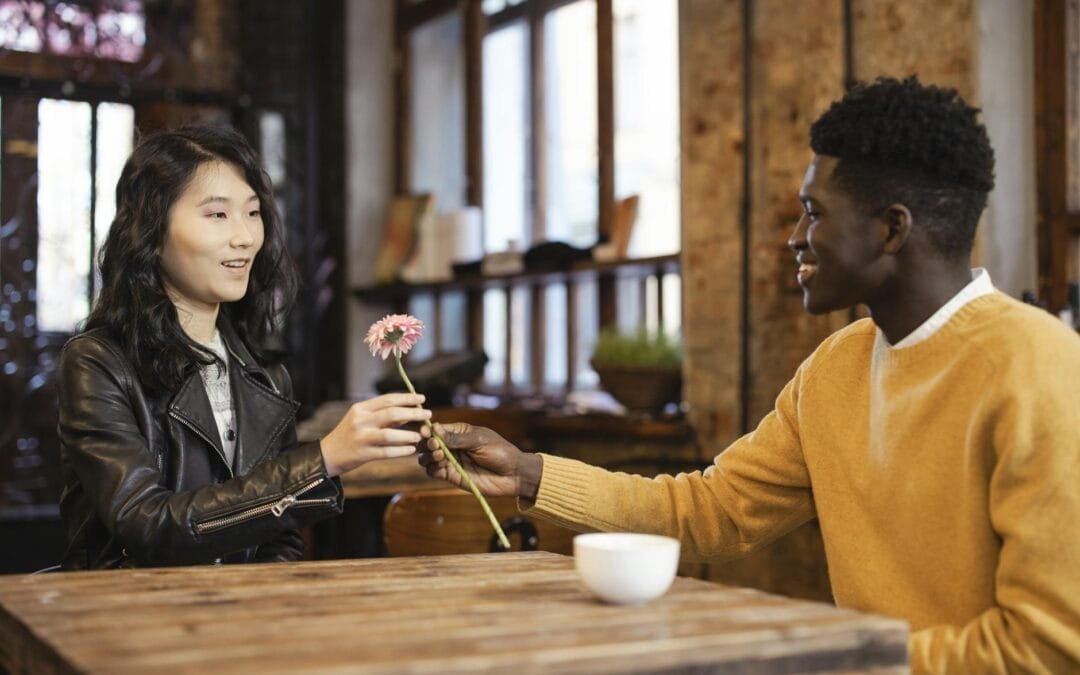
Finding Wisdom for Love and Partnership

Finding Wisdom for Love and Partnership

Reading Time: 4 minutes

Why Scripture Matters in Our Love Lives

Relationships are tough. We all want connections that feel deep, steady, and lasting. Yet, with all the dating advice and “relationship hacks” out there, where’s the solid ground? It might surprise you, but these ancient words hold timeless insights into building a love that lasts. From dealing with conflict to deepening trust, scripture isn’t just “old wisdom” – it’s guidance we can use today.

Ready to dig in? Let’s unpack how these teachings can transform our relationships from surface-level to soul-deep.

How Love Is Defined in Scripture

Ever heard of “agape love”? It’s a Greek term that means unconditional, selfless love – a love that gives without expecting anything back. It’s the kind of love Jesus showed, and scripture invites us to reflect it in our relationships.

  • Example of Agape Love: Think about doing something for your partner that doesn’t benefit you at all – maybe listening to them vent after a long day, even when you’re tired. That’s the spirit of agape love, and it’s essential to building a relationship that lasts.

In scripture, love isn’t just an emotion; it’s a commitment to act in kindness, patience, and forgiveness. This kind of love challenges us but ultimately grows us.

Communicating with Love and Respect

Talking is easy. Real communication – the kind where you both feel seen and heard – that’s the hard part. Scripture emphasizes not just what we say but how we say it. For example, Proverbs 18:13 reminds us not to answer before we listen. Basically, hear your partner out before jumping in with advice or judgment.

  • Active Listening Tip: When your partner is sharing something important, resist the urge to jump in with solutions. Instead, try phrases like, “I hear you,” or “That sounds tough.” It shows that you care and makes them feel valued.

The Bible also encourages honesty. Ephesians 4:25, for instance, says to “put off falsehood and speak truthfully.” No hiding behind white lies or half-truths. In relationships, trust grows when you’re willing to be real, even about the hard stuff.

Conflict: Embracing Forgiveness and Finding Peace

Conflict? It’s inevitable. Even the healthiest relationships will hit rough patches. But here’s where scripture comes in clutch. Matthew 18:15- 17 teaches us to address issues privately first – so we should not bring friends or family into things right away. This approach helps keep conflicts personal and focused on finding a solution.

Then there’s the call to forgive. Ephesians 4:32 tells us to be “kind and compassionate…forgiving each other.” Forgiveness doesn’t mean you’re okay with what happened; it means you’re choosing to let go of the resentment. In the long run, forgiveness can bring peace, healing, and deeper trust.

love
  • Forgiveness in Action: When you’re hurt by something your partner did, try to express your feelings calmly and avoid pointing fingers. Then, if they apologize, let go of the resentment and move forward. Remember, nobody’s perfect, and we all need a bit of grace.

Trust, Faith, and Finding Strength in Shared Beliefs

If faith is important to you, it can be a powerful anchor in your relationship. Couples who share a spiritual foundation often find strength during tough times by turning to their faith. Trust grows not just from who your partner is, but from believing that your relationship has a purpose beyond yourselves.

  • Ways to Strengthen Trust: Try praying together, talking openly about your spiritual beliefs, or even attending church or study groups together. These activities deepen your connection, keep your priorities aligned, and create a shared foundation of values and purpose.

Faith also encourages personal growth. By focusing on spiritual practices together, you can each become a better partner and person, building a relationship that’s resilient and purpose-driven.

Making Sacrifices: The Real “Secret” to Lasting Love

Sacrifice sounds heavy, but it’s actually woven into healthy relationships. It’s about putting each other first in practical ways – big and small. It’s skipping that social event because your partner’s had a rough day, or compromising on a big decision for the sake of your relationship.

The Bible gives us countless examples of love that sacrifices. By practicing selflessness, we can move beyond “What’s in it for me?” to “How can I serve and support this person I love?”

  • Daily Acts of Sacrifice: Small, selfless acts go a long way. Doing a chore they hate, listening to them when you’re tired, or compromising on what to watch for movie night – these little things build a strong foundation of trust and love over time.

Prayer and Scripture: Growing Together Spiritually

One of the most powerful ways to deepen your relationship is through shared spiritual practices. Taking time to pray together or study scripture isn’t just about faith – it’s about strengthening your bond and creating space for meaningful conversations.

  • Prayer Routine: Find a time each week to sit together, pray, or read scripture. Maybe set an intention for the week, like patience or gratitude, and use that time to reflect on how it’s impacting your relationship. You’ll be surprised at how it can bring you closer!

If you’re looking for even more community, consider joining a couples’ study group [strictly for the married]. Learning with others can offer fresh insights, provide accountability, and connect you with other couples who share similar values.

Community: Surrounding Your Relationship with Support

Finally, let’s talk about community. While you and your partner form the heart of your relationship, having a supportive community around you is crucial. Ecclesiastes 4:9 says, “Two are better than one…if either of them falls, the other can help them up.” This reminds us that we don’t have to do this alone.

Find friends, mentors, or faith communities that respect and support your values. They’ll cheer you on during the highs and help you through the lows, making your relationship stronger.

  • Find Your People: Look for friends and couples who encourage you to be the best version of yourselves. When challenges arise, having a solid support network will remind you of your shared values and goals.

Conclusion: Walking Together in Faith and Love

Building a strong relationship takes work, but Scripture offers us a roadmap filled with wisdom, love, and compassion. By integrating principles like active listening, forgiveness, trust, and sacrifice, you’re creating a relationship that goes beyond “just getting along.” Instead, you’re building something rooted in respect, faith, and purpose.

So here’s to love that grows, faith that strengthens, and a life together filled with the kind of partnership that endures – come what may. Remember, the journey isn’t perfect, but with guidance from scripture, you’ll have the tools to navigate it together.

Why Vulnerability is the Missing Link in Your Relationship Life

Why Vulnerability is the Missing Link in Your Relationship Life

Reading Time: 4 minutes

What Vulnerability Really Means (And Why It’s Not as Scary as You Think)

Vulnerability sounds like one of those words that should come with a warning label. But here’s the truth—it’s actually the secret sauce for deep, fulfilling relationships. Far from being weak, vulnerability is about courage. It’s the willingness to show your real, messy, unfiltered self to someone else, even when you’re not sure how they’ll react. Vulnerability is like peeling back the layers of who you are and saying, “Here’s the real me. Can you accept it?”

And while that’s a little intimidating, it’s also incredibly freeing. It’s the first step in building trust, intimacy, and genuine connection—none of which can happen if we’re always hiding behind a “perfect” front.

Busting the Myths: Vulnerability Isn’t Oversharing or Weakness

There are so many myths floating around about vulnerability that can make it sound like a recipe for disaster. Here’s the truth:

  • It’s Not About Oversharing: Vulnerability doesn’t mean dumping every detail of your life on someone. It’s about letting someone see who you truly are, not overwhelming them with your entire life story.
  • It’s Not Dependency: Some people worry that being vulnerable means relying on someone else’s validation. But healthy vulnerability actually comes from a place of self-acceptance—you’re strong enough to admit your fears and needs without needing anyone to “complete” you.

Vulnerability is just honesty taken to the next level. When done right, it’s about building something real with someone, not draining them or making them your emotional crutch.

Why Vulnerability Builds Trust (Yes, It’s That Powerful)

Think about it: When you’re honest about your fears and flaws, it shows the other person that you’re willing to go deep. When one person opens up, it creates a ripple effect. It’s like saying, “I trust you enough to let you in,” and it usually makes the other person feel safe enough to reciprocate.

Example time: Imagine you admit to your partner that sometimes you feel insecure in your career. It’s a simple, vulnerable confession that can unlock the door for them to share their own insecurities. Suddenly, you’re both talking about things that actually matter, instead of staying on the surface level.

Vulnerability also allows for empathy—when you know someone’s fears and challenges, you’re much more likely to understand their actions. The more real you are with each other, the more patience and kindness naturally follow.

Vulnerability: Your Shortcut to Deep Intimacy (Yes, Even Physically)

Emotional openness isn’t just about talking—it’s also a key to physical closeness. When you feel safe to be yourself, you’re less likely to hold back, and that sense of trust carries over into every part of the relationship, including physical affection. You’ll find that hugs, kisses, or even just holding hands become more meaningful because you’re genuinely connected.

If you’re wondering how to bring this level of vulnerability into your relationship, here are a few ways to start:

vulnerability
  • Active Listening: This means being fully present when your partner is talking, not just waiting for your turn to speak.
  • Empathy: Instead of jumping to advice or criticism, try to really understand what they’re feeling.
  • Encouragement: Celebrate each other’s openness. A little validation goes a long way in building a safe space.

Facing Your Fears Around Vulnerability (Because Yes, We All Have Them)

Opening up isn’t easy—fear of rejection, judgment, or just plain old hurt can hold you back. But think about it this way: would you rather hide parts of yourself forever or risk feeling a little exposed to create something real?

Here’s a way to start small:

  • Tiny Truths First: Instead of diving into deep fears, start with small, honest things. Share a silly insecurity or something that made you anxious recently. These little truths help build your tolerance for openness and remind you that vulnerability doesn’t always have to be heavy.

A great way to tackle this fear is by reminding yourself that vulnerability is actually strength in action. And if you’re really struggling with feeling exposed, try journaling about it first or talking to a close friend. Practice makes vulnerability feel a bit more natural over time.

Communication: The MVP of Vulnerability

At the end of the day, being vulnerable relies on strong communication. Here’s a communication hack that works wonders: Use “I” statements when you’re sharing something hard. Instead of saying, “You never listen to me,” try, “I feel unheard when I try to share my thoughts with you.” This way, you’re sharing your feelings without placing blame, which keeps the other person open to understanding rather than getting defensive.

Also, active listening is key. Make it a point to really hear what the other person is saying. Show that you’re present, whether it’s with a nod or a simple “I hear you.” Sometimes, people just want to feel seen and validated.

Vulnerability Sets the Stage for Growth (And Some Relationship Perks)

Being open can help you resolve conflicts more easily, too. Studies show that couples who embrace vulnerability are more likely to work through disagreements constructively instead of getting defensive. Vulnerability brings a level of emotional intelligence to the table that keeps things from spiraling.

And here’s an extra perk: When you’re vulnerable, you learn more about yourself. It’s like free therapy with your partner (just don’t use them as your therapist!). You get to explore your emotions, recognize your fears, and grow alongside someone who genuinely cares.

Setting Boundaries with Vulnerability (Because Yes, There’s a Limit)

Being open doesn’t mean you have to share everything. Boundaries are still essential. Knowing what you’re comfortable sharing and what feels too personal helps you stay in control of your emotional well-being. Vulnerability should feel safe, not forced.

A good boundary rule to consider is whether what I’m sharing is helpful in building trust or if I am just unloading too much at once. Practicing discernment lets you stay open without feeling exposed.

Creating a Safe Space for Vulnerability

For vulnerability to work, both people need to feel safe. Creating a safe environment means respecting each other’s boundaries, encouraging openness, and practicing kindness.

One way to make your relationship a “safe zone” is to check in regularly. Have conversations about how you’re both feeling in the relationship—do you feel comfortable sharing? Are there things you’d like to improve? Make time for these conversations, so vulnerability becomes part of the norm.

In Summary: Vulnerability isn’t always easy, but it’s worth it. It builds trust, fuels intimacy, and makes relationships a place where both people can feel truly seen and accepted. So take that first step—share a little, listen more, and watch your connections deepen in ways you might never have expected.

Dating with Intention: How to Date Purposefully

Dating with Intention: How to Date Purposefully

Reading Time: 4 minutes

Dating with Intention: How to Date Purposefully

The dating scene can be a mixed bag. Sometimes you’re on an endless stream of “meh” dates, and other times, you’re just not sure where things are going. So what if, instead of just hoping for a good match, you took control and started dating with intention? If you’re ready for something real and meaningful, this approach is for you.

Intentional dating means being clear on your goals, values, and the type of relationship you’re looking for. It’s about moving beyond the swipe culture and looking for genuine connection. Ready to dive in? Let’s walk through how to date with purpose and discover if it’s the right move for you.

What is Intentional Dating, Really?

Think of intentional dating like this: instead of just “seeing where things go,” you’re going in with a plan. You’re asking yourself the big questions, like “What do I want in a relationship?” and “Does this person align with my values?”

Intentional dating is not about obsessing over finding “the one” right away. It’s about clarity. You know why you’re dating and what kind of connection you want, and you’re ready to put in the time to find it. It’s less about chasing a fairy-tale romance and more about building a lasting partnership.

Why go intentional?

  • Less confusion: You’re both on the same page, so there’s less “are we or aren’t we?” stress.
  • Real connections: You’re aiming for depth over casual vibes.
  • Faster decisions: Intentional dating helps you recognize when someone’s a match—or not—quicker than dating aimlessly.

Set Your Relationship Goals

Before hitting the dating scene, do a little self-reflection. What do you actually want?

Ask yourself:

  • What matters most to me? Do you value loyalty? Faith? Open communication?
  • Long-term or short-term? Are you looking for marriage, companionship, or someone who helps you grow?
  • Non-negotiables? Figure out your deal-breakers, like honesty, kindness, or shared faith.

Knowing your relationship goals keeps you from getting sidetracked by anyone who isn’t on the same wavelength. And, bonus: it makes you way more attractive to the right people.

Communicate Your Intentions (Without Making it Awkward)

A lot of us get nervous about talking about what we want. But here’s the thing – when you’re upfront about your intentions, you’re saving everyone time and potential heartache.

You can start simple, like:

  • “I’m looking for something more meaningful. How about you?”
  • Or try, “I really value open communication and honesty. I just want to make sure we’re on the same page.”

This way, you’re not diving into the “where is this going” talk too soon, but you’re making it clear you’re not just here for a fling.

dating

Be Present During Dates

So, you’re on a date with someone promising – now what? Mindfulness is your friend here. It’s all about being fully present so you can actually connect and get to know the other person.

Tips for mindful dating:

  • Active listening: Really listen, not just to respond but to understand. Put the phone away.
  • Ask meaningful questions: Skip the usual “What do you do for work?” Instead, ask things like, “What’s something you’re passionate about?” or “What do you enjoy doing in your free time?”
  • Non-verbal cues: Pay attention to body language and eye contact. Often, they tell you more than words can.

Being present not only makes the date more enjoyable but also helps you get a true sense of compatibility.

Compatibility Check: Do They Align with Your Values?

This is the big one. Dating with intention means looking beyond the surface and figuring out if someone aligns with your values and goals. Here’s what to consider:

  1. Shared Values: Do they care about the same things you do, whether it’s faith, family, or social issues?
  2. Future Plans: Talk about goals—career, family, travel. Are your lives going in the same direction?
  3. Communication Style: How do they handle conflict? How do they communicate their needs and feelings?
  4. Lifestyle Preferences: Do your day-to-day habits align, or would they clash?

Assessing these areas can save you time and emotional energy in the long run.

Tackling Challenges in Intentional Dating

Intentional dating can bring its own set of challenges. Here’s how to tackle a few common ones:

  • Rejection: This doesn’t mean you’re not good enough. It’s actually freeing – it just means they weren’t the right fit.
  • Different Expectations: If one person wants serious and the other wants casual, you’ll need to communicate openly to avoid misunderstandings. Don’t shy away from the tough conversations.
  • Managing Disappointment: Not every date will lead to a connection. See each experience as a chance to learn and get closer to what you want.

Intentional dating can be tough, but each step is a part of the process that brings you closer to someone genuinely right for you.

Building a Foundation That Lasts

If you’re lucky enough to meet someone amazing, focus on building a strong foundation together. Here’s how:

  • Trust: Keep promises and be honest about your intentions.
  • Respect: Value each other’s perspectives, boundaries, and individuality.
  • Open Communication: Talk about everything, even the tough stuff. Vulnerability strengthens bonds.

If you and your date are on the same page, keep the connection growing by prioritizing trust, respect, and communication.

When to Move from Dating to a Relationship

Wondering if it’s time to make things official? Here are some clues:

  • You’re both feeling it: Mutual feelings are essential. Both people should be on the same emotional level.
  • You’re talking about the future: Planning ahead together is a great sign that you’re ready for more.
  • You’ve had the “Define the Relationship” (DTR) chat: This is key to make sure you’re both clear on exclusivity.

The transition from dating to a relationship should feel like a natural next step. Take it slow, respect each other’s pace, and enjoy the ride.

In a Nutshell

Intentional dating is about bringing clarity, purpose, and self-awareness to your dating journey. It’s not about chasing perfection but about connecting with someone who aligns with your values and goals. So, if you’re ready to move beyond casual and start dating with purpose, take these steps to heart. It might just lead you to the kind of relationship you’ve been praying for.

How to Know If You’re Ready for a Serious Relationship

How to Know If You’re Ready for a Serious Relationship

Reading Time: 3 minutes

So, You’re Thinking About a Serious Relationship?

Diving into a serious relationship isn’t something to take lightly, right? It’s not just about finding someone cute to Netflix with on weekends. It’s about understanding yourself and being ready to share your life with someone else in a deeper way. How do you know if you’re actually ready? Here are some clear signs—and trust me, it’s more than just a vibe.

1. You’re Emotionally Stable (Most of the Time)

Life can get messy, and relationships can make it even messier. But if you can handle stress, manage your emotions, and talk about your feelings without spiraling, you’re probably more ready for commitment than you think. Emotional stability is key because, in a relationship, you’ll face stuff that tests your patience and your ability to compromise. Think about it: Can you keep your cool when things go sideways? If yes, you’re off to a solid start.

Quick Check-In:

  • Do you bounce back from setbacks without holding grudges?
  • Are you able to talk things out instead of bottling them up?

2. You Know What You Want (And What You Don’t)

Got some personal goals? Whether it’s crushing it in your career, traveling the world, or saving for a tiny house, having clarity on your dreams means you’re not just floating along. When you know what you want from life, it’s easier to find someone whose goals vibe with yours. Plus, a relationship should add to your life, not derail it.

How to Get There:

  • Write down your goals. Make a vision board or start a journal.
  • Think about what values and qualities matter most to you in a partner.

3. You Can Compromise Without Feeling Like You’re Losing

Relationships need compromise—it’s basically the fine print in the relationship contract. If you can balance what you want with what your partner wants, without feeling like you’re giving up too much, you’re ready for a serious relationship. It could be little things, like deciding where to eat, or bigger stuff, like budgeting for shared goals.

Examples of Healthy Compromises:

  • The travel vs. saving debate: Agree on one big trip and save the rest.
  • Weekend plans: Split time between things you each love.

4. Communication? You’re Pretty Good at It

relationship

Good communication is EVERYTHING in relationships. If you’re ready to listen, share your thoughts openly, and actually talk things through, you’re on the right track. Relationships need open dialogue and active listening—like really listening, not just waiting for your turn to talk.

Communication Tips:

  • Practice using “I” statements (“I feel like…” instead of “You always…”).
  • Be honest, but kind—speak the truth, but keep it respectful.

5. You’ve Set Healthy Boundaries

Boundaries are key because they help keep the balance between “we” and “me.” When you have healthy boundaries, you’re less likely to lose yourself in the relationship or feel overwhelmed. A serious relationship isn’t about merging identities but about keeping individuality while growing together.

How to Set Boundaries:

  • Know your non-negotiables. What are your hard limits?
  • Communicate these to your partner in a clear and kind way.

6. You’ve Got a Solid Support System

Having a reliable group of friends or family you can turn to is a big deal. A support system can keep you grounded, give you a reality check, and help you process any relationship ups and downs. Plus, if you’re only leaning on your partner for support, things can get heavy fast.

Pro Tips for Building Your Support Squad:

  • Stay connected to friends and family, even when you’re in a relationship.
  • Reach out regularly—check in on others and share updates about your life.

7. You’ve Learned From Your Past Relationships

If you’ve looked back on your past relationships and actually learned something from them, congrats—you’re ahead of the game. Reflecting on past relationships helps you recognize patterns (good and bad) and gives you insight into what you need to work on before jumping into something serious again.

Reflective Questions:

  • What went wrong in past relationships, and what could you change?
  • What did you enjoy, and what do you want to find again in a new relationship?

8. You Crave Real Intimacy, Not Just the Fun Stuff

Wanting to connect on a deeper level with someone—emotionally and physically—is a strong sign of readiness. It’s the difference between casual dating and seriously wanting to build something meaningful. This kind of intimacy goes beyond cute Instagram photos; it’s about sharing your highs and lows and feeling safe enough to be vulnerable.

Ways to Cultivate Intimacy:

  • Spend quality time doing things that make you feel close.
  • Share your thoughts, dreams, and even insecurities.

Are You Ready?

Being ready for a serious relationship doesn’t mean you’re perfect. It just means you’re in a place where you know yourself, you know what you want, and you’re willing to put in the work. Relationships aren’t easy, but when you’re truly ready, they’re a lot more rewarding. So, take a look at where you’re at, and if you check most of these boxes, maybe you’re more ready than you think.

Volunteering Together To Make Your Marriage Different

Volunteering Together To Make Your Marriage Different

Reading Time: 4 minutes

Why Volunteering? Let’s Keep it Real

So, you’re here because, at some point, you felt that little nudge to do something good. Or maybe you’re curious about this “volunteering” thing everyone keeps talking about. Either way, welcome! Volunteering isn’t just about giving up your time for free—it’s about stepping up to help out, connect with others, and maybe even learn something about yourself along the way.

From helping clean up parks to tutoring kids, volunteering is an easy way to bring a little light to someone else’s world (and yours too). And here’s the bonus: It’s scientifically proven to make you feel happier and less stressed. Yep, science says so.

Types of Volunteering: Find What Speaks to You

We all have different interests, so why should volunteering be one-size-fits-all? Here’s a quick guide to finding something that matches your vibe:

  • Eco-Warrior Mode: Love the planet? Join beach clean-ups, plant trees, or help with recycling drives.
  • People Person: Help out in shelters, mentor teens, or spend time with the elderly. You’ll meet some awesome people with stories that could inspire you for days.
  • Skills from Home: Got a knack for design, social media, or tutoring? Many nonprofits could use your skills online! Virtual volunteering has become huge, and it’s perfect if you’re juggling a busy schedule.

Whether you want to work with animals, advocate for environmental causes, or just be there for someone who needs support, there’s a place for you.

Why People Volunteer: The Real Motivations

Let’s be honest—everyone has their reasons for volunteering. For some, it’s about giving back. For others, it’s a chance to make friends or gain experience for that resume. Or maybe you’re just looking for something to make life feel a little more meaningful. Whatever the motivation, volunteering is known to have some pretty sweet side effects, like:

volunteering
  • Better Mental Health: Helping others just feels good. Studies show it boosts mood, reduces stress, and makes you feel more connected.
  • Physical Benefits: Some volunteering gigs get you moving. Think building homes, cleaning up parks, or even hosting events—it’s all a workout in disguise.
  • Personal Growth: Volunteering often brings you out of your comfort zone, helping you learn new skills and build confidence.

Making Memories: Volunteering with Friends or Family

Ever thought about turning volunteering into a group thing? Getting your friends or family involved could be a game-changer. Imagine teaming up with your besties to help at a local food bank or getting your family together to plant trees at the park. Volunteering in groups not only strengthens relationships but creates memories you’ll laugh about later.

Some fun ideas for group volunteering:

  • Organize a neighborhood clean-up
  • Plan a bake sale or car wash for a cause
  • Volunteer at an animal shelter together
  • Create care packages for people in need

Finding Your Perfect Volunteer Gig

Picking a volunteer gig can be as exciting (or daunting) as choosing your next Netflix binge. The key is to focus on what lights you up.

Think about what you love doing. Is it working with animals, and kids, or maybe protecting the environment? The more your volunteer work aligns with your passions, the more fulfilling it will be.

Overcoming Common Barriers to Volunteering

We get it—life is busy, and it’s not always easy to make time for volunteering. Here are a few ways to make it work:

  • Short on Time? Look for roles that fit into your schedule, like weekend-only opportunities or one-time events.
  • Feeling Nervous? You’re not alone! Try reaching out to the organization for a quick intro session or ask if you can shadow someone. Knowing what to expect can make jumping in a lot less intimidating.
  • Don’t Know Where to Start? Just browse around. Whether it’s online, at a local community center, or via an app, start somewhere, and let curiosity lead you.

The Power of Group Volunteering: Creating Impact That Lasts

Volunteering with a group doesn’t just feel good—it can actually make a serious impact. When people come together for a cause, communities notice. Imagine creating a community garden with a bunch of neighbors, turning an empty lot into a fresh produce paradise for everyone to enjoy. Or organizing a big park clean-up that makes a neighborhood look brand new.

Small efforts can create a ripple effect that helps entire communities. And every person counts. Whether you’re working on environmental projects, mentoring, or supporting local events, group volunteering is a perfect way to inspire change and build a community that’s closer and more connected.

Make Volunteering a Family Thing: A Tradition that Lasts

Volunteering as a family tradition can be incredibly meaningful. Think of it as family bonding 2.0—plus, it’s a great way to teach younger kids about kindness and responsibility. Plus, it’s fun!

Starting a family tradition could look like:

  • Volunteering monthly at a local food pantry
  • Helping clean up a park each season
  • Organizing a drive for essentials like clothes, goods, or toiletries

Taking pictures, making a scrapbook, or just chatting about the experience afterward can make it even more memorable. And hey, these moments together just might become the stories you talk about years from now.

Celebrate the Small Wins: Recognizing Volunteer Efforts

No one gets into volunteering for the recognition, but let’s be real—knowing that someone noticed your efforts feels good.

A few ways to feel the love:

  • Shout-outs: Simple gestures like a thank-you email or a quick mention on social media can mean a lot.
  • Personal Thanks: There’s something incredibly meaningful about receiving a handwritten thank-you note from someone you helped.

Feeling seen and appreciated makes a difference. And it often encourages others to step up and give back too.

So, Ready to Dive In?

Volunteering can look like a lot of different things—from lending a hand in your neighborhood to supporting a virtual cause from the comfort of your couch. If you’re ready to dive in, remember to go easy on yourself. Start small, find something that excites you, and don’t overthink it. Each small step can create a massive difference in someone’s life—and in yours too.

Happy volunteering!