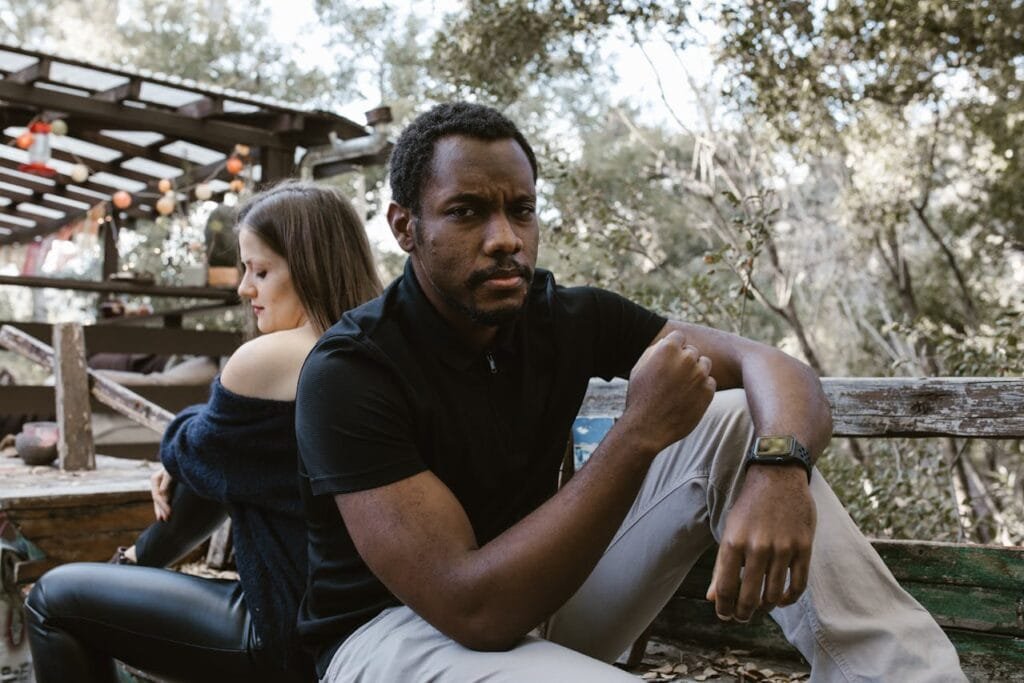
Trust isn’t just a buzzword we toss around in relationships. It’s the foundation that holds everything together. Think about it like this: trust allows you to be vulnerable, open up about your fears, dreams, and random 2 a.m. thoughts, without the fear of judgment. It’s what makes deep, meaningful connections possible.
When trust is solid, you’re both free to communicate honestly and feel emotionally safe, which can really amp up the relationship satisfaction. But when trust is shaky? Doubts and insecurities creep in, leading to miscommunications and constant tension. Not exactly #relationshipgoals, right?
Here’s a truth bomb: trust doesn’t magically happen just because you’re in love. It takes time, consistent effort, and a lot of open conversations. And, spoiler alert, rebuilding trust after it’s been broken? Yeah, that’s no easy fix. It requires both people to put in the work.
The Foundations of Trust: Honesty, Integrity, and Reliability
Let’s break it down: trust is like a three-legged stool, and the legs are honesty, integrity, and reliability. If any one of those legs is missing, the stool—aka your relationship—won’t stand.
Honesty: This one’s a no-brainer. It’s about being truthful, even when it’s hard. If you’re open about your thoughts and feelings, you create a safe space for vulnerability. And vulnerability? That’s where the magic happens.
Integrity: This goes beyond just telling the truth—it’s about living it. When your actions match your words (like showing up for your partner when they need you), you’re building trust without even realizing it.
Reliability: This is about showing up, not just physically but emotionally too. Whether it’s supporting your partner during tough times or simply following through on promises, being reliable strengthens trust over time.
When these three elements are in place, you’ve got a relationship that can weather the ups and downs of life.
Communication: The Real Trust Builder
You’ve heard it before—communication is key. But what does good communication look like? It’s not just talking; it’s about how you talk to each other.
Active listening: Don’t just wait for your turn to speak. Focus on what your partner is saying. Listen with the intention to understand, not just to respond.
Expressing feelings: Saying “I feel upset when…” instead of “You always…” takes the blame out of the equation and makes it easier to have productive conversations.
Handling conflict: Disagreements are normal, but how you deal with them matters. Take breaks when things get heated, summarize each other’s points, and be respectful. It’s not about winning an argument; it’s about understanding each other.
By prioritizing these communication techniques, you’re setting the stage for deeper connection and, yep, you guessed it—stronger trust.
Boundaries and Expectations: Keep ‘Em Clear
Healthy relationships need boundaries. Whether it’s emotional, physical, or social boundaries, you’ve got to know what your limits are and communicate them.
Personal boundaries: Don’t be afraid to say what you’re comfortable with and what you’re not. Using phrases like “I feel uncomfortable when…” can make it easier to express your needs without sparking defensiveness.
Shared expectations: Want to avoid those awkward “I thought we were on the same page” moments? Talk about your values, goals, and what you expect from the relationship. Whether it’s finances, house chores, or quality time, having these conversations early on can prevent misunderstandings down the road.
And pro tip: revisit these boundaries and expectations regularly. Life changes, and so do your needs.
Addressing the Past: Forgiveness and Moving On
We all come with some baggage. Maybe past hurts, maybe trust issues from a previous relationship—whatever it is, if you don’t deal with it, it’s gonna weigh you down. Step one? Talk about it.
Identify past issues: Be honest about what’s been bothering you. It might be tough, but clearing the air is the first step toward healing.
Forgiveness: It’s not just a one-time thing; it’s a process. Forgiving doesn’t mean forgetting—it means letting go of the resentment that could hold your relationship back. It takes time, patience, and empathy.
Instead of getting stuck in the past, focus on how you can grow from it. Celebrate the small wins and keep moving forward.
Transparency: The Trust Multiplier
Transparency is like the secret sauce to a healthy relationship. When you’re open about your thoughts, feelings, and actions, trust builds naturally.
Be vulnerable: Share your insecurities, your struggles, and your hopes. This kind of openness invites your partner to do the same, creating a deeper bond.
Create regular check-ins: Set aside time to talk openly about how things are going—no agenda—just an honest conversation about your feelings and concerns.
The more transparent you are, the stronger your relationship becomes.
Consistency and Reliability: Trust Is Built Over Time
Trust isn’t just about grand gestures—it’s built through everyday actions. Are you there when your partner needs you? Do you keep your promises, even the little ones?
Consistency: It’s the small, consistent acts that matter—checking in, showing appreciation, keeping date nights even when life gets busy. When your partner knows they can count on you, trust naturally deepens.
Emotional support: Being there in tough times, without hesitation, shows your partner that you’ve got their back, no matter what.
At the end of the day, trust is built in the everyday moments.
Vulnerability: The Key to Deeper Connection
Vulnerability gets a bad rap sometimes, but it’s the secret ingredient to real intimacy. When you open up about your fears, insecurities, or even your weird quirks, you invite your partner to do the same.
Share your inner world: Whether it’s talking about a tough day or your biggest dreams, being vulnerable fosters trust.
Active listening: When your partner shares their vulnerabilities, listen deeply. Don’t try to fix it—just be there. That’s often all they need.
Vulnerability isn’t weakness—it’s the pathway to a stronger relationship.
Keeping Trust Alive: Ongoing Effort
Here’s the truth: building trust is one thing, but keeping it alive takes consistent effort.
Regular check-ins: Keep that communication flowing. Make space for honest, open conversations regularly.
Grow together: As your relationship evolves, so will your needs and desires. Stay adaptable and support each other through these changes.
Try new things: Whether it’s a new hobby or a spontaneous trip, shared experiences can help deepen your bond and keep the trust strong.
With these ongoing strategies, you’ll keep your relationship rooted in trust and ready for anything.
Building trust is a journey, not a one-time deal. But when both partners are committed, the payoff is huge—a relationship that’s rock-solid, no matter what life throws your way. So, are you ready to start building?
Contentment is something we all want but often struggle to find, especially when it feels like everyone around us is coupling up, posting engagement photos, and talking about “the one.” It’s easy to feel like you’re missing out if you’re still single. Society loves to tell us that being in a relationship is the key to happiness, but what if that’s not the full story?
As Christians, we’re called to a different standard, one that isn’t tied to our relationship status. In fact, the Bible encourages us to look inward, focusing on who we are in Christ, not on whether we have a significant other. Philippians 4:11-13 drops a truth bomb when Paul says he’s learned to be content no matter what. Yep, even when he’s single. So, what does that mean for us? It means we need to shift our perspective—contentment isn’t about having everything society tells us we need. It’s about trusting God right where we are.
Singleness Isn’t a Problem to Solve
Ever feel like singleness is just a season you have to “get through” until God finally blesses you with a relationship? Trust me, you’re not alone. But here’s a plot twist: Singleness isn’t a problem; it’s an opportunity. Paul even talks about this in 1 Corinthians 7:7-8, where he suggests that being single can actually be a good thing. Why? Because it gives us more freedom to focus on God’s purpose for our lives without the distractions that come with marriage.
Think about it: Jesus was single! And He didn’t let that stop Him from living out His calling. In fact, His singleness allowed Him to dedicate His life fully to His mission. If it worked for Jesus (and let’s be honest, He’s a pretty good role model), then maybe it’s time we stop seeing singleness as a temporary waiting room and start seeing it as a gift.
God’s Got a Plan—Even in Your Singleness
It’s easy to question what God is doing when it feels like your life is on pause, especially in a world that glorifies relationships. But here’s the tea: God has a plan for every season of your life, including this one. Your singleness isn’t a mistake, and it’s not a punishment. It’s a season designed for growth—spiritual, emotional, and even physical (hello, gym goals!).
Instead of stressing about when or if you’ll find “the one,” use this time to dive deeper into your relationship with God. Prayer, Bible study, serving your community—these are things that will not only fill your time but also fill your heart. God is shaping you, preparing you for something amazing, and it’s not just about preparing you for a future spouse. It’s about preparing you for your purpose.
Embracing Your Identity in Christ
One of the biggest struggles in singleness can be battling feelings of inadequacy. We’ve all been there—scrolling through social media, seeing engagement photos, and thinking, “What’s wrong with me?” But here’s the truth: There’s nothing wrong with you. Psalm 139:14 tells us we are “fearfully and wonderfully made.” That means your worth isn’t tied to your relationship status—it’s tied to your identity in Christ.
When you start to see yourself the way God sees you, everything changes. You’re not defined by your singleness; you’re defined by who you are in Christ. You are loved, valued, and created with a purpose. And when you accept that, you can truly find peace and contentment, no matter what season you’re in.
Building Your Squad: The Importance of Community
Singleness can get lonely sometimes. But guess what? You don’t have to go through it alone. The Bible emphasizes the importance of community for a reason. Whether it’s your church family, your best friends, or even an online group, building a strong support system is key to thriving in this season.
And don’t just sit around waiting for friends to come to you. Put yourself out there! Join a small group, volunteer, or just plan a casual hangout with friends. Creating connections not only fills the social gap but also gives you a sense of belonging. And who knows? God could be using this season to help you develop lifelong friendships that will support you in every phase of life.
Practicing Gratitude in the Waiting
It’s so easy to focus on what we don’t have—especially when the world constantly reminds us of it. But one of the best ways to combat those feelings of “I’m not enough” is by practicing gratitude. 1 Thessalonians 5:18 tells us to “give thanks in all circumstances.” Yes, even in singleness.
Start small: Grab a journal and write down three things you’re thankful for each day. Maybe it’s the extra time you have to invest in your passions, the flexibility to travel, or even just the fact that you’re growing in your faith. Shifting your mindset from lack to abundance will completely change how you see your current situation.
Staying Open to God’s Timing
Let’s face it: Waiting is hard. Whether it’s waiting for the right person, the right job, or the next step in life, it’s easy to feel frustrated. But here’s something to remember—God’s timing is perfect, even when it doesn’t feel like it. Proverbs 3:5-6 reminds us to trust in the Lord with all our hearts and lean not on our own understanding. When we do that, God promises to make our paths straight.
So, if you’re feeling impatient, remember that God sees the bigger picture. He knows what you need and when you need it. Trust that He’s got something amazing planned for you, and it might just be better than anything you could have imagined.
Let’s Recap: Embracing Your Singleness
At the end of the day, singleness isn’t a curse; it’s a unique season filled with opportunity. It’s a time for self-discovery, for growing deeper in your relationship with God, for contentment, and for building community. You don’t have to have all the answers or know what the future holds. All you need to know is that God has a purpose for you right now.
So, take a deep breath, stop worrying about when things will change, and start embracing where you are. Whether you’re single for a season or a lifetime, know that your value is found in Christ, not in a relationship status. And that, my friends, is something to celebrate.
The Echoes of Love: How Past Relationships Shape Future Connections
Finding Your Way Through Love’s Journey (Without Losing Your Mind)
Let’s be real—love is complicated. If it were as simple as swiping right and finding “the one,” we’d all be living our happily-ever-afters. But here’s the truth: every relationship—whether it was amazing or made you swear off dating forever—leaves an impact. It’s like each connection is a stepping stone, shaping how we see love and future relationships.
So how do we make sense of all the baggage we carry and use those experiences to build healthier connections? Stick around, and we’ll break it all down, from emotional baggage to trust issues. It’s time to unpack the past so you can move forward in faith and love!
How Past Relationships Shape Us (For Better or Worse)
Let’s start with the obvious: every relationship teaches us something. The good ones make us feel secure and confident that true connection is possible (yes, even if your last ex made you doubt that). These positive experiences teach us valuable lessons about trust, communication, and mutual respect—three things that are like the holy trinity of healthy relationships.
But what about the bad ones? Oh yeah, they teach us too—just in a more painful way. Negative experiences can make us second-guess everything, from our choice of partners to our own worth. Maybe you’ve been betrayed, ghosted, or just left feeling unworthy. Sound familiar?
These tough times can cause us to carry emotional baggage that impacts future relationships. It’s like walking around with an invisible backpack full of doubts, fears, and trust issues. But the key is learning how to lighten that load, so you’re not weighed down as you step into new romantic territory.
What Exactly Is Emotional Baggage?
Think of emotional baggage like this: it’s all the unresolved junk from past relationships that we carry into new ones. Trust issues? Insecurity? Fear of getting too close to someone? Yep, that’s emotional baggage talking.
Here’s how it shows up:
Trust issues: If you’ve been hurt before, you might constantly question if your new partner is going to let you down.
Insecurity: Past rejection can leave you feeling like you’re not enough, making it hard to open up.
Fear of intimacy: After heartbreak, you might put up walls because vulnerability feels too risky.
Sound familiar? You’re not alone. But here’s the deal—acknowledging this baggage is the first step toward healing and building healthier relationships. Reflecting on your past and even talking to a therapist can help you unpack those feelings and leave that heavy load behind.
Breaking Free from Patterns and Repetitions
Ever noticed how you keep dating the same type of person? Or maybe you repeat the same relationship mistakes over and over again (like avoiding confrontation or choosing emotionally unavailable people). These are patterns—and they can seriously impact your love life.
Why do we repeat them? Sometimes it’s because we’re subconsciously drawn to what’s familiar, even if it’s not healthy. Or maybe we haven’t fully processed a past relationship, so we’re stuck in a cycle of trying to “fix” what went wrong before.
The good news? You can break free. Here’s how:
Step 1: Self-awareness: Take a deep dive into your past. What patterns do you see in your relationships? What triggers your emotional responses?
Step 2: Set new goals: Decide what you really want in a partner and relationship. Write it down. And most importantly, stick to it.
Step 3: Be intentional: Don’t rush into relationships. Take time to reflect on whether this person aligns with your values and future goals.
When you start making conscious choices instead of acting out of habit, you set yourself up for healthier, more fulfilling connections.
Healing Through Pain: The Growth We Don’t Talk About
Okay, let’s be real—heartbreak sucks. But it also teaches us a ton. Whether it’s learning about your personal boundaries, spotting red flags you missed before, or discovering what you actually need from a partner, these painful moments help us grow.
Instead of letting the hurt turn you cold or closed off, try viewing it as a lesson in self-worth and mutual respect. The scars will heal, and when they do, you’ll be stronger and better equipped for the future relationships God has for you.
Trust and Vulnerability: The Ultimate Test
After being hurt, trusting someone new can feel impossible. And if you’ve ever been burned, the idea of letting yourself be vulnerable probably sounds terrifying. But here’s the truth: you can’t have a real relationship without these two things.
If past betrayals have you building emotional walls, you’re not alone. But remember, not every relationship will repeat your past. Healing takes time, and that’s okay. Rebuilding trust and learning to be vulnerable again is a process, but it’s one that leads to deeper, more meaningful connections.
One tip? Communicate openly with your new partner. Share what you’ve been through (when you’re ready) and let them know what you need to feel safe emotionally. Trust me, it’s worth it.
Moving Forward: Building New Love on a Stronger Foundation
So, how do we heal and move forward from past relationships? First off, you need to give yourself time. Rushing into something new without processing the past is like putting a Band-Aid on a deep wound—it’s only a temporary fix.
Here are some ways to start healing:
Journaling or prayer: Reflect on what worked and what didn’t in your last relationship.
Find your community: Surround yourself with friends, family, or a church group that can support you through the healing process.
Set new personal goals: Focus on your own growth—whether that’s diving into a passion project, your career, or fitness goals.
The more you work on you, the more prepared you’ll be for a healthy relationship when the time is right.
Final Thoughts: Love Is a Journey, Not a Destination
Here’s the bottom line: past relationships might leave echoes, but they don’t have to define your future. Whether those past experiences were good, bad, or somewhere in between, they can all be used as stepping stones for growth.
God has a plan for your future, and love is a huge part of that. But it’s not just about finding the right person—it’s about becoming the right partner, too. Embrace vulnerability, heal from the pain, and trust that each new connection has the potential to be better and healthier than the last.
So, take your time. Reflect, heal, and stay open to the love God has waiting for you. You’ve got this!
We all know social media is everywhere. It’s how we keep up with friends, share cute pics, and stay on top of everything from the latest trends to our cousin’s birthday party. But let’s be real: when it comes to marriage, social media can be a double-edged sword. Sure, it’s fun to post pics of your latest date night, but what happens when online interactions get a little too… complicated?
If you’re part of the adults using social media regularly, you’re likely aware that platforms like Instagram and Facebook are changing how couples interact, for better or worse. Whether you’re sharing memes or scrolling endlessly through each other’s followers, social media has definitely made its mark on modern relationships.
Today is my birthday!
Join me tonight by 9.00pm for a Short WatchParty on YouTube. It’s a topic you don’t want to miss!
But here’s the deal: if you don’t set boundaries, things can get messy fast. From jealousy to miscommunication, social media has the power to either strengthen or stress your relationship. So, how do we navigate this digital maze and protect our marriages? Let’s dive into the good, the bad, and the “okay, let’s set some ground rules” when it comes to social media and marriage.
The Bright Side of Social Media in Relationships
Let’s start with the positives. Social media isn’t all bad when it comes to relationships. In fact, it can bring you closer if you use it right.
Here’s how:
Constant Communication: Whether you’re DMing throughout the day or dropping cute comments on your partner’s latest selfie, social media makes it easy to stay connected.
Bridging the Distance: Long-distance couples? You’ve got this. Social media lets you share daily moments, whether it’s a snap from your workday or a livestream of your weekend plans. It helps you stay in each other’s worlds even when you’re miles apart.
Shared Experiences: Ever tried those cute Instagram challenges together? Social media gives you fun, low-key ways to bond over shared interests. It’s like teamwork but with filters!
Supportive Communities: Couples can find support in online groups that focus on building strong relationships—because let’s face it, marriage can be hard, and it helps to know you’re not alone in the journey.
So yeah, when used mindfully, social media can definitely boost your relationship game. But (there’s always a “but,” right?), if you’re not careful, social media can also cause a lot of unnecessary drama.
The Dark Side: How Social Media Can Wreck Your Relationship
Now, let’s talk about the not-so-great stuff. Unfortunately, social media can sometimes feel like a minefield for relationships. Ever had an argument over a random “like” on a post? Yeah, you’re not alone.
Some of the biggest issues couples face with social media include:
Jealousy Central: It’s easy to feel insecure if your partner is interacting with people you don’t know or—gulp—liking their ex’s posts. Even the most innocent comments can lead to feelings of jealousy or mistrust if boundaries aren’t in place.
Miscommunication: Let’s be real—texting or commenting isn’t the same as a face-to-face convo. Things get lost in translation. What you thought was a harmless joke could turn into a misunderstanding, leading to arguments that could’ve been avoided with actual talking.
Distraction from Real Life: Have you ever found yourself glued to your phone, ignoring your spouse on the couch beside you? Yeah, it happens. But when it happens too much, it can cause emotional distance and kill real-life intimacy.
Comparison Trap: Social media can make it seem like everyone else’s relationship is perfect. Spoiler alert: it’s not. But constantly comparing your marriage to what you see online can leave you feeling like your relationship isn’t good enough.
So, What Are Social Media Boundaries?
Boundaries. The word might sound like something your parents would say, but in a marriage, setting boundaries with social media can literally save your relationship.
Setting boundaries means figuring out what’s cool and what’s not when it comes to your online life. It’s about protecting your relationship from unnecessary drama, misunderstandings, or feelings of neglect. You and your spouse get to decide what’s acceptable and what isn’t, together.
Some boundaries to consider:
Privacy Settings: Are you both comfortable sharing your life with the world, or do some moments stay just between the two of you? Agree on what’s okay to post publicly and what should stay private.
Interactions with Others: How do you feel about each other interacting with friends, co-workers, or exes online? Talking about this upfront can avoid awkward conversations later on.
Time Limits: Social media is fun, but it shouldn’t take priority over actual quality time. Agreeing on when to put the phone down can help keep your relationship front and center.
Tips for Setting Healthy Social Media Boundaries
So, how do you set these boundaries without making it feel like a total buzzkill? Here’s the game plan:
Talk it Out: Sit down and have an honest conversation about your social media habits. What’s cool with you? What makes you feel uneasy? Sharing your feelings early on is key.
Create a Posting Plan: Decide together what’s okay to share. Are you comfortable posting vacation pics? What about family events? It’s easier to agree now than to argue later when something’s already out there.
Respect Each Other’s Time: It’s okay to enjoy social media—but don’t let it replace real connection. Set times to unplug and just be present with each other. (Bonus: this makes date nights way more fun!)
Check-In Regularly: Boundaries can change. Make it a habit to check in with each other every so often to see if your social media guidelines need a refresh. Relationships evolve, and so should your boundaries.
When Social Media Drama Strikes: How to Handle It
Even with boundaries, conflicts can pop up. Maybe you didn’t realize liking an old friend’s photo would make your spouse feel insecure. Or maybe your partner’s endless scrolling makes you feel ignored. Here’s how to deal:
Use “I” Statements: Instead of accusing your partner, express how you feel. For example, “I feel hurt when you spend more time on your phone than talking to me” is way better than “You’re always ignoring me.”
Listen First: When your partner tells you they’re uncomfortable with something, don’t get defensive. Hear them out and try to understand their perspective.
Stay Flexible: Marriage is all about compromise. If something’s making your spouse feel uneasy, it’s worth tweaking your habits—even if you don’t totally get it at first.
Balance is Key: Keep the Online and Offline Worlds in Check
At the end of the day, social media should add to your marriage, not take away from it. The key is balance. Make sure you’re spending just as much (if not more!) time connecting offline as you are online.
Some ideas for keeping things real:
Have “Unplugged” Time: Whether it’s one night a week or just 30 minutes a day, commit to spending some phone-free time together. It’ll do wonders for your connection.
Do Things Together: Instead of scrolling through TikTok separately, try doing an activity you both love—like cooking together, going for a hike, or even just watching a movie (no phones allowed!).
The Bottom Line: You Control Your Social Media, Not the Other Way Around
Social media isn’t going anywhere, but it doesn’t have to run your relationship either. By setting healthy boundaries and making communication a priority, you can protect your marriage from the pitfalls of the digital world. Remember, it’s all about balance, trust, and keeping it real—online and offline.
So, what boundaries are you and your spouse setting today?
So… Can Christians date non-Christians? The truth is that dating in today’s world can be tricky, especially when it comes to finding someone who vibes with your faith. If you’re a Christian, you might have asked yourself, “Is it okay to date someone who doesn’t share my beliefs?” That’s a legit question, and you’re not alone in wondering.
As our world becomes more diverse, interfaith relationships are becoming more common. Maybe you’re already crushing on someone who isn’t a Christian. And hey, it makes sense—love doesn’t exactly come with a checklist. But when your faith is such a big part of who you are, it can make things… complicated. So, how do you handle it? Let’s dive in.
The Bible and Relationships: What Does “Equally Yoked” Mean?
Okay, first things first: You’ve probably heard about the “equally yoked” thing. It’s based on 2 Corinthians 6:14, which says, “Do not be unequally yoked with unbelievers.” Now, before you imagine yourself literally tied to someone, let’s break it down.
Being “equally yoked” simply means being on the same page spiritually. Imagine trying to build a life with someone who doesn’t understand why faith is so central to your life. That’s where the tension can start. Christian relationships are often built on shared values like love, commitment, and sacrifice, as seen in passages like Ephesians 5:22-33.
Basically, the Bible encourages Christians to be with someone who shares their faith because it sets the stage for unity—especially in the big stuff like marriage, kids, and how you live your everyday life.
So, What’s the Big Deal About Dating a Non-Christian?
Let’s talk about why dating someone who doesn’t share your faith might be challenging. Here are some real-life pain points you might run into:
Different Life Goals: You might be all about serving in your church or making decisions through prayer, while your partner may not get it. This could lead to some awkward moments (or major arguments) down the road.
Raising Kids: If you’re thinking long-term, what happens when you have kids? How will you handle Sunday mornings—church or sleep-ins? And what values do you want your kids to grow up with?
Influence on Your Faith: No matter how strong your faith is, your partner’s beliefs (or lack thereof) might impact your spiritual journey. Some Christians worry they’ll drift away from their relationship with God, especially if their partner doesn’t understand why it matters so much to them.
Need Some Guidance? Don’t Go It Alone
If you’re feeling conflicted about dating someone who isn’t Christian, that’s totally normal. Sometimes, you just need someone to talk to—whether it’s a mentor, pastor, or even a good friend who gets it. They can offer advice and help you figure out if this relationship aligns with your faith.
And don’t underestimate the power of prayer. Take some time to ask God for wisdom about your relationship. Reflect on whether this person is helping you grow in your faith or pulling you away from it.
Bottom Line: It’s a Personal Decision
At the end of the day, deciding whether or not to date someone who isn’t Christian is a personal choice. No two relationships are exactly the same, and it really comes down to how your faith fits into your relationship.
Take time to think it through, talk to people you trust, and pray for guidance. The goal is to find a relationship that helps you grow—both as a person and in your walk with Christ.
After all, love is complicated enough. Let’s make sure it’s worth the journey!