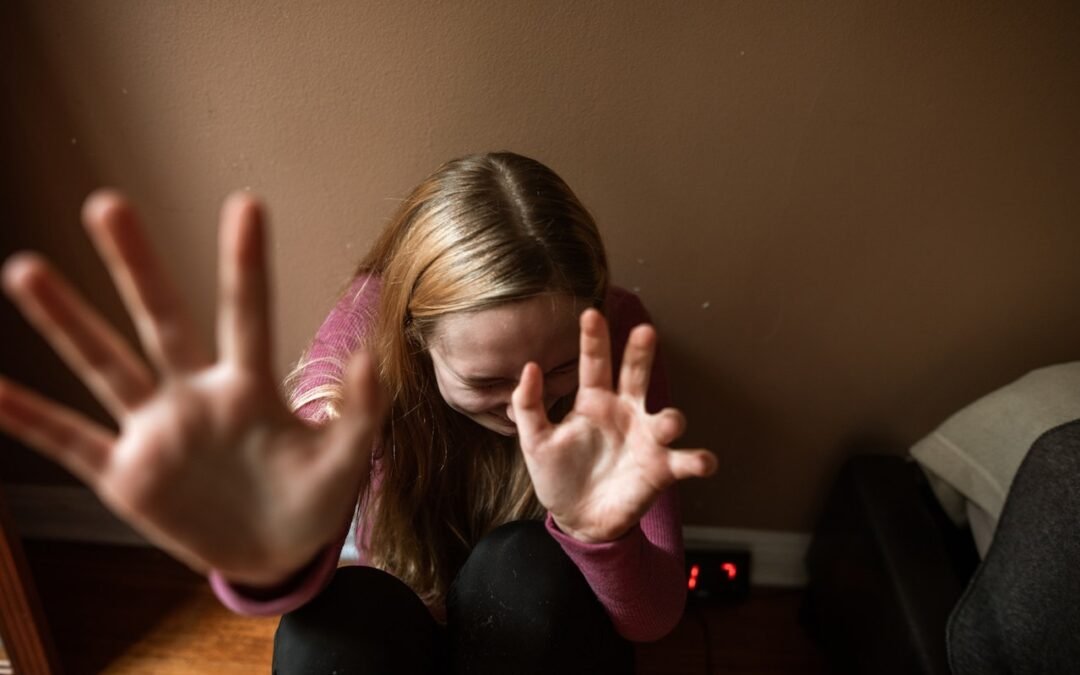
If conversations devolve into yelling matches, silent treatments, or complete avoidance, communication has likely collapsed. Healthy dialogue is the lifeblood of any marriage. James 1:19 advises, “Everyone should be quick to listen, slow to speak, and slow to become angry.” A therapist can teach effective communication skills to bridge the gap between spouses.
6. Abuse Is Present
Any form of abuse—physical, emotional, verbal, or financial—is unacceptable and requires immediate attention. Safety must always come first. If abuse is occurring, seek therapy professionally and consider protective measures. Matthew 7:12 teaches, “Do to others as you would have them do to you.” No one deserves to live in fear, and therapy can help victims find healing while holding abusers accountable.
7. Life Transitions Are Overwhelming the Relationship
Major life changes—such as job loss, health crises, the birth of a child, or grief—can strain even the strongest marriages. When these transitions spiral into conflict or resentment, therapy offers support and strategies to navigate the challenges together. Philippians 4:6 encourages, “Do not be anxious about anything, but in every situation, by prayer and petition, present your requests to God.”
8. One Partner Refuses to Engage
If one spouse has emotionally checked out or refuses to work on the marriage, therapy becomes essential. Even if only one partner initially participates, counseling can provide clarity, healing, and insight into the next steps. Ecclesiastes 4:9-10 emphasizes teamwork: “Two are better than one because they have a good return for their labor.”
Why Early Intervention Matters
Waiting too long to address marital problems can lead to irreparable damage. The earlier you seek therapy, the greater the chances of restoring your relationship. A licensed counselor or Christian therapist can offer biblical wisdom, practical tools, and compassionate guidance tailored to your unique situation. Learn more about how to seek therapy, counseling and courses Here
Let’s delve deeper into these symptoms of abusive relationships:
1. Your Individuality is in Question
In an abusive relationship, one of the most subtle yet insidious signs is the gradual erosion of your individuality. You may start to question your own thoughts, feelings, and actions, as the abusive partner systematically chips away at your self-esteem. They may belittle your opinions, decisions, and passions, making you doubt your worth and significance.
2. Unending Chastisement
Abuse often manifests in the form of unrelenting chastisement. You may find yourself on the receiving end of constant criticism and nitpicking. This continuous stream of negativity can be emotionally draining, leaving you feeling worthless and defeated.
3. False Accusations
Abusive partners frequently employ false accusations as a means of control. They might accuse you of infidelity, dishonesty, or wrongdoing without any basis in reality. These unfounded allegations can leave you in a state of constant defensiveness, further undermining your self-esteem.
Abusers often excel in shifting blame. Instead of taking responsibility for their actions, they find ways to place the blame on you. This tactic leaves you feeling guilty for problems that are not your fault, reinforcing their control over the relationship. It can eventually bother on mental health if care is not taken.
5. Withdrawal
Emotional and physical withdrawal is another common sign of an abusive relationship. The abusive partner may use the silent treatment or physical isolation to exert control and manipulate your behavior. This isolation can lead to feelings of loneliness and helplessness. It is also called stonewalling
6. You Are Always in the Wrong
In an abusive relationship, it can feel like you can never do anything right. No matter what you do, your actions are met with disapproval or anger. This constant feeling of inadequacy can lead to a loss of self-confidence and self-worth.
7. Control Over Your Finances
Abusive partners may also exert control over your financial resources. They might restrict your access to money, scrutinize your spending, or even take charge of your finances entirely. This control can leave you financially dependent and trapped in the relationship.
Recognizing these symptoms is the first step in breaking free from an abusive relationship. If you or someone you know is experiencing these signs, it’s crucial to seek support and help from professionals who can provide guidance and assistance in leaving the abusive relationship and rebuilding a life free from harm.